

E Lunch webinar 'Smart Buildings in the energy transition, luxury or necessity?'
Looking back Smart Buildings in the energy transition, luxury or necessity?
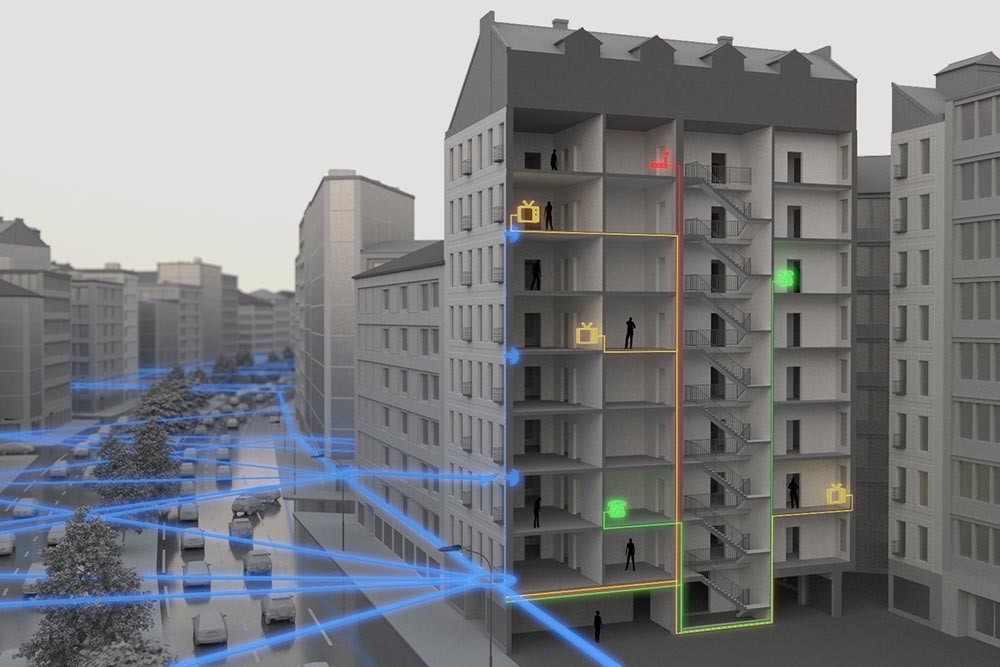
This e-Lunch session gives a brief introduction to smart buildings using the framework of the smart readiness indicator. It will then indicate how smart buildings can contribute to the energy transition, using a case study from existing buildings (renovation).
The role of sensoring, the mechanical installation in energy flexibility and grid load will be elaborated here, among other things. What are opportunities and where are still bottlenecks in cooperation in the building and energy sector?
To optimise building function, (wireless) connection systems for workstations (GSM and/or internet) are needed, this will be covered in a subsequent webinar.
Abstract
When you think of energy transition, you quickly think of windmills, solar panels, heat grids, hydrogen, heat pumps and electric cars. But what about making buildings themselves a lot smarter? This webinar will give you the necessary baggage to assess what the possibilities are. An example? Due to hybrid working, buildings are half empty on some days. Anything that's empty also doesn't need to be heated or cooled as much. Smarter heating and cooling pays off, which is a nice bonus in times of high energy prices.
Another example: how can you make smarter use of the existing building stock? For instance, by measuring the occupancy rate and dividing your building differently or renting fewer square metres. Then, if you don't need to build new, you won't need a new connection to the overloaded electricity grid and you will also need fewer materials. And by making the existing building smarter, you ensure that the peak load on the grid is reduced a lot.
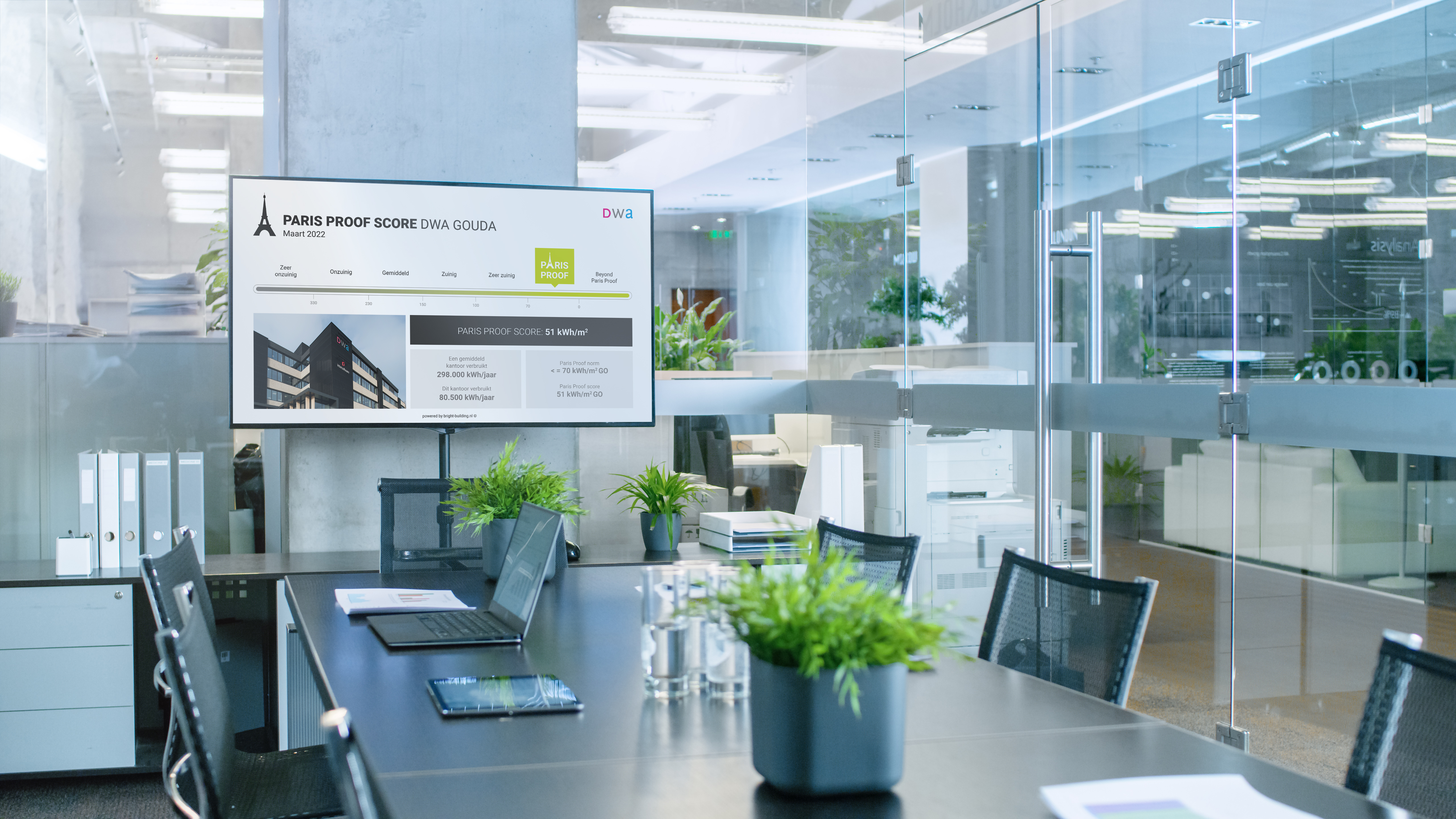
Based on lessons learned at DWA Gouda's premises - an existing building renovated into a smart building - this webinar will give you more insight into the opportunities of the above examples, energy flexibility and smart readiness of buildings. Furthermore, building and technology use and the resulting building performance (Paris Proof and Indoor Climate Label A) will be highlighted.
Bio speaker
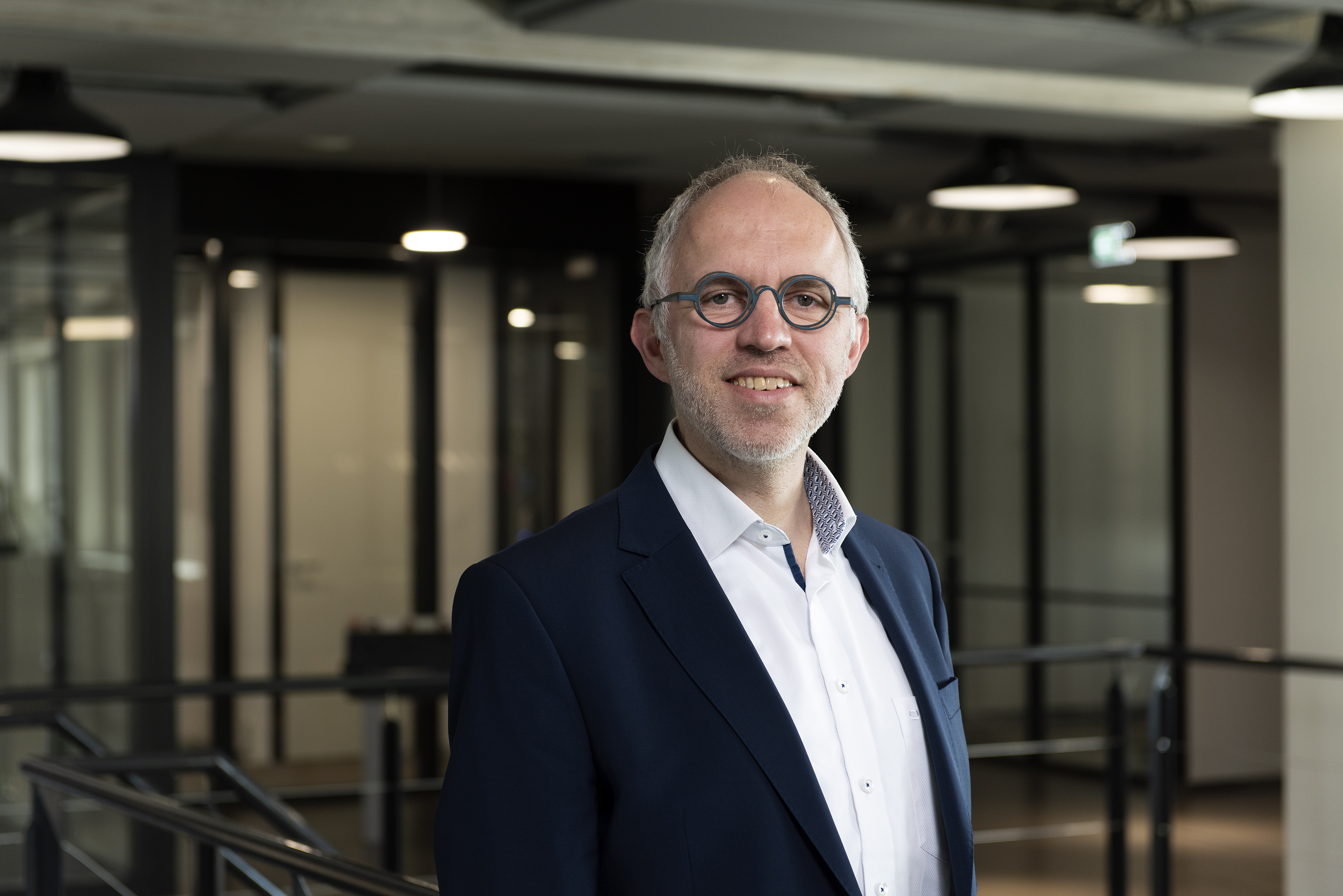
Dr.ir. C.J. (Kees) Wisse studied mechanical engineering at TU Delft and obtained his PhD cum laude from the same university. During his career as a senior consultant at DWA, he worked on various issues in energy transition and for various clients (including Amsterdam Airport Schiphol and the Netherlands Enterprise Agency).
His core activity is: making academic knowledge usable for designers and clients and conducting his own research on the basis of practical questions. The focus is on developing concepts for smart buildings. He is also active in the Brains4Buildings research project, among others.
He shares his knowledge in scientific papers, professional publications and design guidelines (ISSO publications), but also in low-threshold articles on smart buildings.
He likes to criticise overly optimistic claims regarding the performance of buildings, but is just as keen to look at what future developments can mean today.
Links
LiFi: Light Fidelity, wireless internet via light
Sustainability director: connecting link in sustainable building processes