

Between Dream and Deed: Wernher von Braun and the V-2
The boards of the KIVI Department of the History of Technology and the Histechnica Association are pleased to invite you to attend a lecture to be given by Mr H. Walrecht entitled:
"Between Dream and Deed: Wernher von Braun and the V-2"
Programme
10.30:00: Walk-in with coffee and tea
11:00 a.m.: Welcome and introduction
11.05:00: Lecture by Mr H. Walrecht
11:50 a.m.: Break
12:15: Continuation of lecture and closing discussion
12:45: End of meeting.
PLEASE NOTE: The Science Centre has moved!
Registration is required to attend this lecture:
- KIVI members should register via the KIVI website
- Members of Histechnica should register via the secretary hotzeboonstra@gmail.com
- Interested parties who are not members can also register through the above-mentioned channels. There will then be a cost of Eur 5.00.
The presentation will be broadcast live; you should also register for this through the above-mentioned channels. There is no charge for this. You will receive the participation link upon registration.
Summary of the lecture
Hans Walrecht begins his talk with an overview of the history of the rocket. In it, he discusses the German "rocket fever" (a direct result of the "Peace" of Versailles in 1919), as well as the development of the A series by the German army led by Wernher von Braun.
After the battle of Stalingrad, the A-4 rocket becomes the Germans' retaliatory weapon, the V-2. Production of the V-2 takes place in Peenemünde. The discovery by British intelligence leads to the bombing of Peenemünde and the relocation of V-2 production to the Mittelberg underground factory.
The Nazis put a lot of energy and labour into the V-2 project.
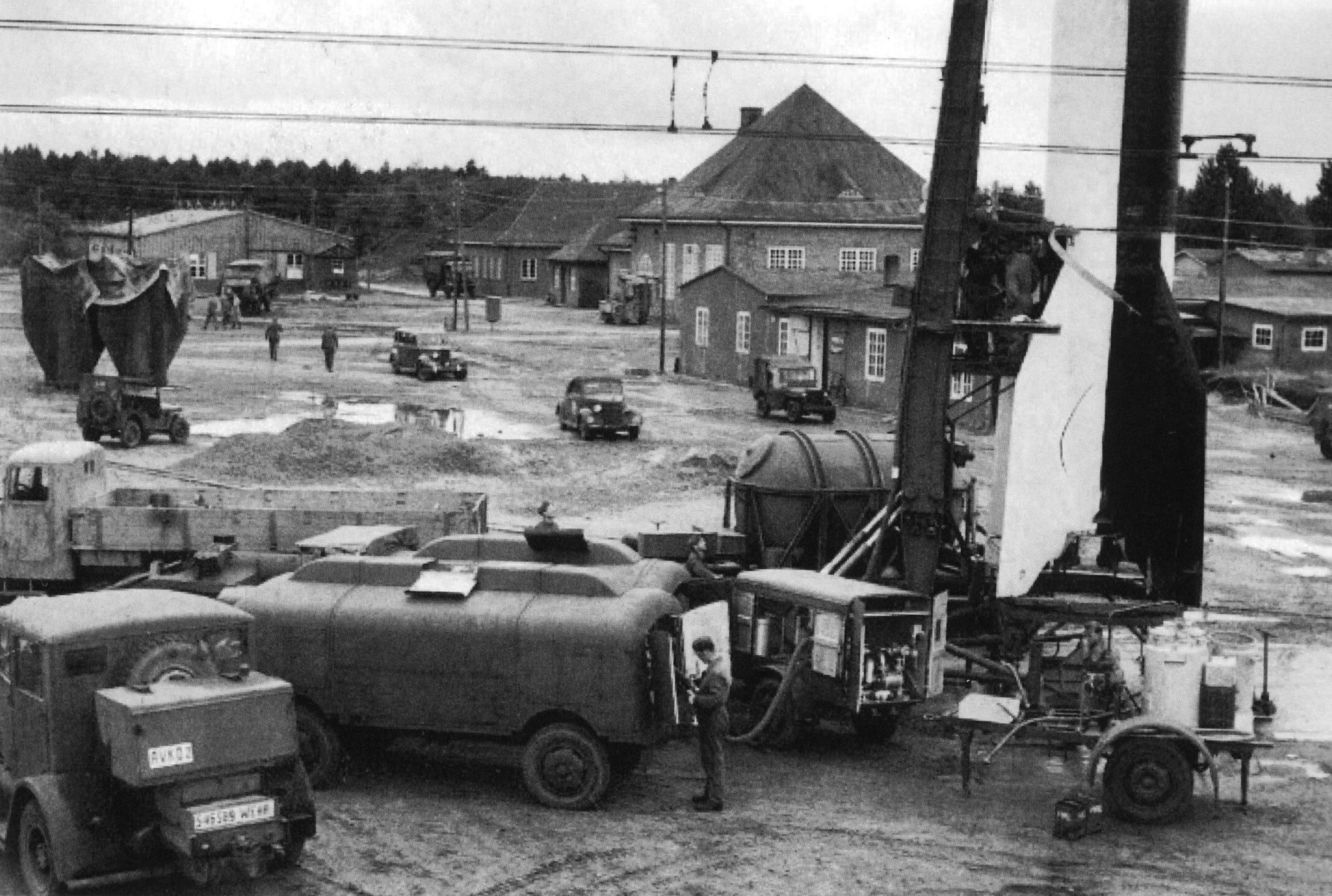
How did mobile launches take place? The Hague became Cape Canaveral behind the dunes. How great was the damage done and human suffering?
The end of the V-2 terror leads to a new beginning of space travel. And that, in turn, will eventually lead to manned moon landings.
Wernher von Braun plays an important role in this story. His dream was space travel to other planets. In practice, it led to a weapon of destruction. Finally, more than 20 years after the war, his rocket put people on the Moon. The dream had come true. The presentation includes some very short videos on preparing for a launch.
Information about the speaker
Hans Walrecht has been retired since 2013. He has worked in education for 42 years, the last 23 of which also in ICT, related to education. In the early years of ICT at school, he published widely on the subject. Between 2002 and 2008, he was also the writer and coordinator of a number of (European) school projects, work that even took him to the Johnson Space Center in Houston at some point.
From the age of six, Hans had been fascinated by aviation. In the 1950s, this was joined by the magical beginnings of space travel. Hans was particularly interested in the technology of rockets and aircraft. Sooner or later, everything becomes history and that too has his interest. It is very important to know where everything we know today "came from". These pursuits are atypical for a primary school teacher, but it provided a nice counterbalance to daily teaching practice.
Currently, Hans is a volunteer, tour guide and educator at the Steam Engine Museum in Medemblik, which won the Willem Wolff Prize 2021. At Aviodrome, he regularly gives guided tours for aviation students. Just before his retirement, he picked up giving presentations again. There are now 16 talks, ranging from aviation to the V-2 and from Enigma to James Watt.
Upcoming activities at the Science Center Delft
- Saturday 28 May 2022 at 11:00 am lecture by Prof Jenny Dankelman: "Technology for minimally invasive surgery and interventions"
- Saturday 25 June 2022 at 11:00 am lecture by Prof Jeroen van Dongen: "History of science"
Study tour:
- Study trip Bologna and Turin has been rescheduled to the third week of September 2022