

Mini-symposium on Hydrogen

Report of the hydrogen mini-seminar
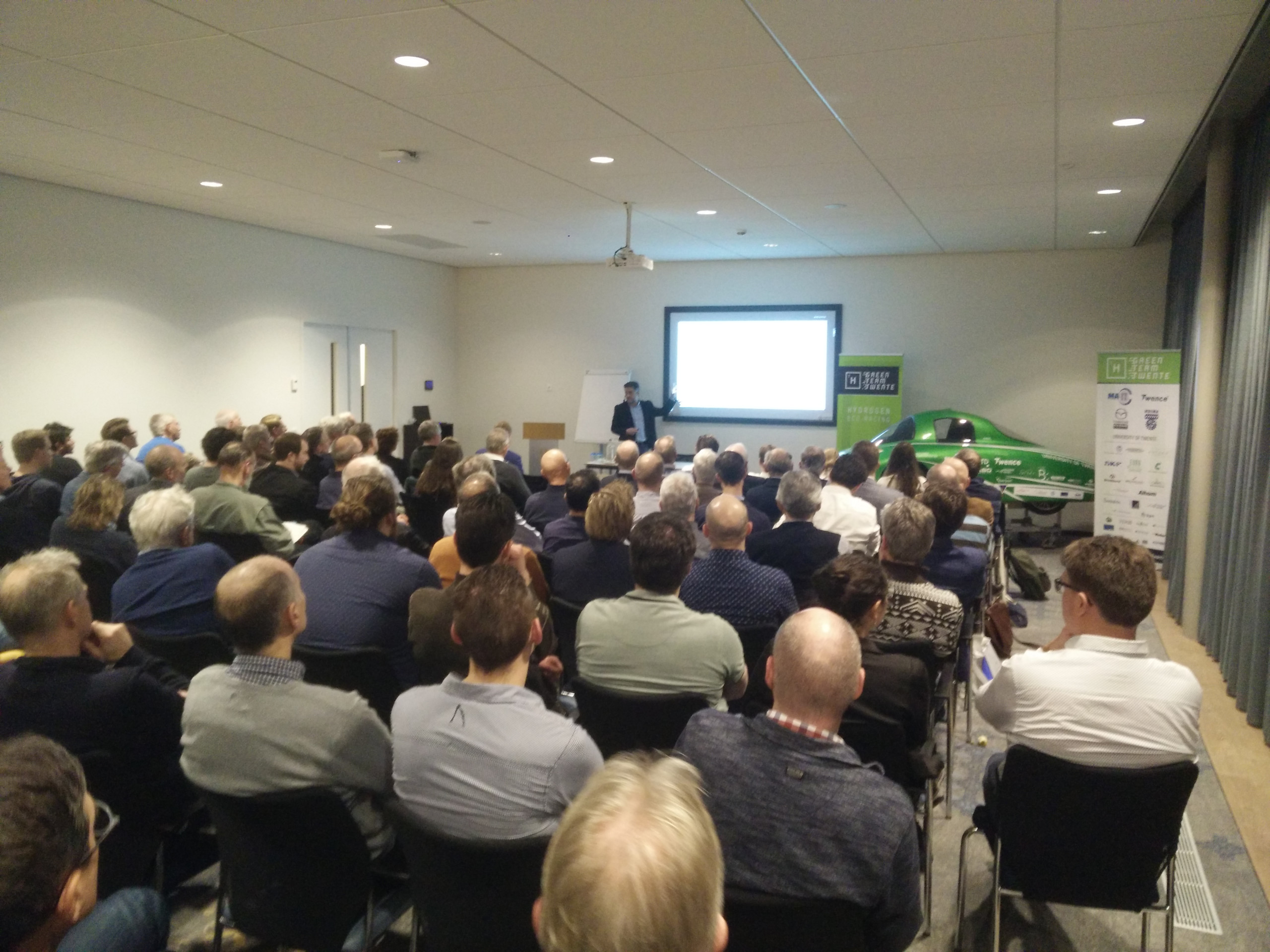
Hydrogen is a subject, which captures the imagination of many engineers, as was shown on 7 February: a full hall with more than 100 participants and also a number of registrations, which could not be honoured. And expectations were also high: moving away from fossil fuels to renewable alternatives, energy storage is an unsolved issue, with what technology and or routes can we best apply hydrogen? Four presentations touched on expectations from different perspectives:
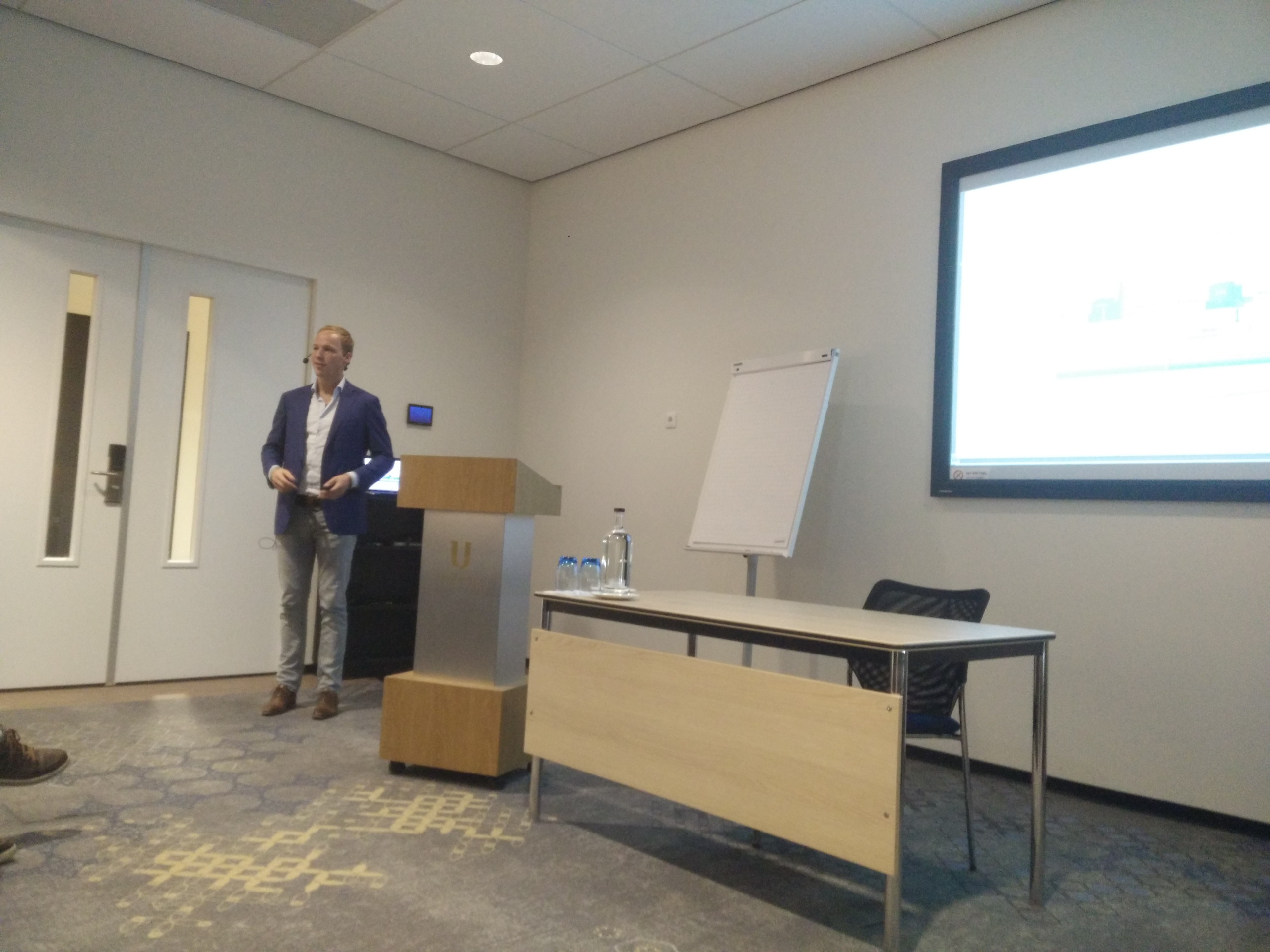
David Fernandez Rivas, assistant professor at UT opened with the research and valorisation aspects of SolarH2. More than 45 years of research worldwide on separated PV and electrolysis and more integrated systems. Particularly the systems, where sunlight capture and conversion to hydrogen bubbles influence each other and the engineering of the bubbles becomes partly design-determining. Already during the presentation, David pointed out the various publications mentioned in the slides. Indeed, the breadth of aspects discussed cannot be captured in a few sentences, and readers are invited to look at the slides themselves and select the references for further info.
Jan Veijer, business developer New Energy at Gasunie, followed with the role, which hydrogen can play in the future. As a major player in the energy system, Gasunie is well aware of the problems and opportunities, which sustainability and climate goals entail. In particular, the most sustainable variant, hydrogen generated from wind and sun, are still at a development stage due to their current cost, although pilot projects are already underway. The storage of hydrogen in salt caverns and distribution in existing grids does seem attractive soon. Jan sees chemistry, high-temperature engineering and transport as the frontrunner applications, and the built environment as a possible follower.
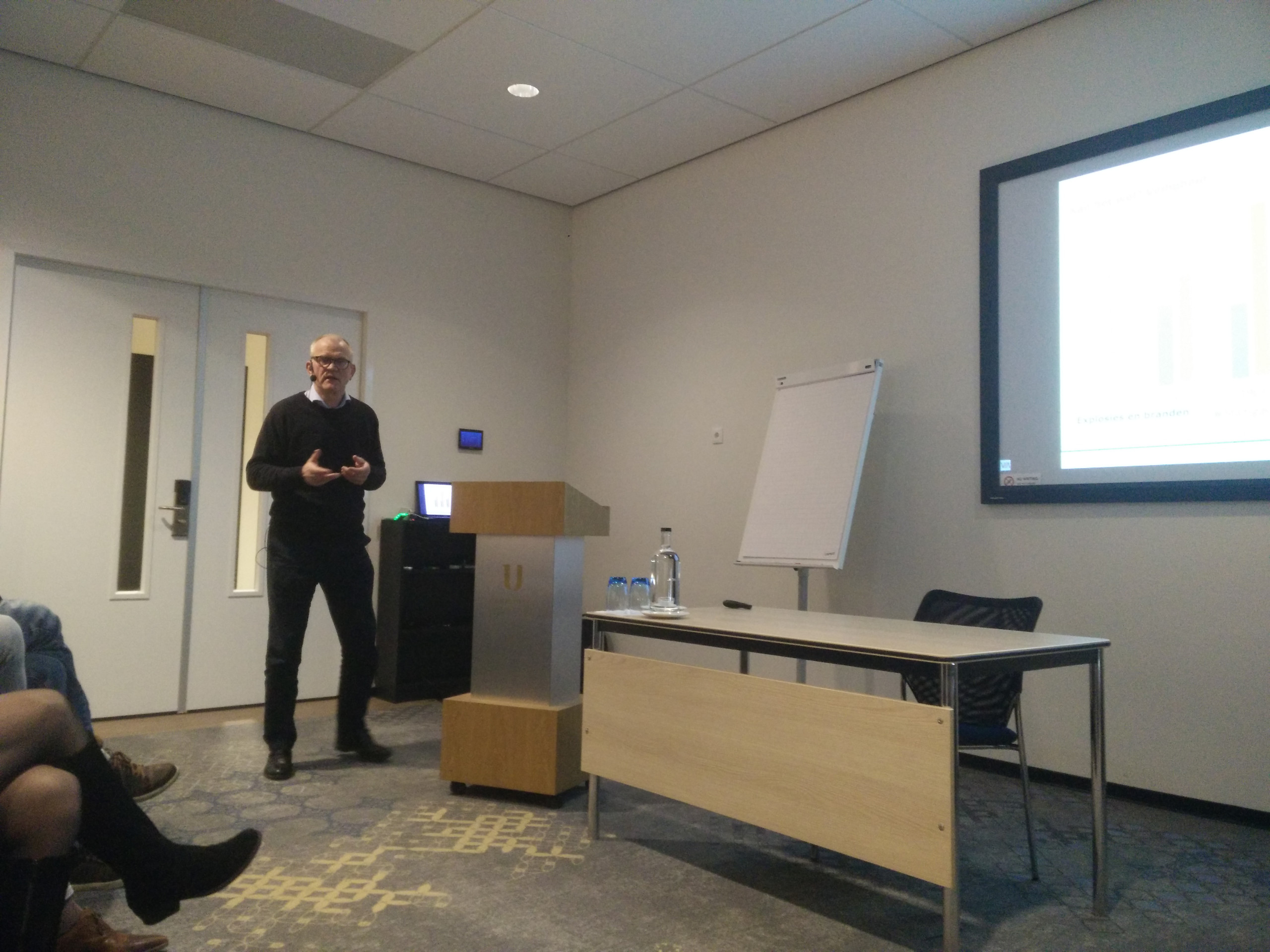
Ton van Wingerden, Principal Consultant, Asset Integrity Management DNV GL Netherlands (= Det Norske Veritas - Germanischer Lloyd), started with the proposition that hydrogen, as a city gas, was and is actually nothing new for the built environment, and certainly no more unsafe than the natural gas we are all so used to. His next thesis was that hydrogen can compete with electrification and, in particular, heat pump systems. Equally, making hydrogen withoutCO2 emissions is still a cost issue, but pilot projects are already under way, and a large project in northern England. DNV GL is a partner in many projects in the field of safety and standards, and Ton showed in his closing slide, that with the long history and what we all know, it is somewhat now or never for hydrogen, and that the future cannot really do without it!
Matthias Haalstra, Team manager of Green Team Twente had brought his hydrogen car, see photo, and gave a very concise summary of all the sources, conversions and use options of the different hydrogen routes, which the Green Team believes in. Although Green Team Twente concentrates on mobility, there is obviously a lot of energy released when touching on our energy future!
All in all, a lot of information, aspects and arguments about the energy transition, which is still in its infancy for the Netherlands as well. Not surprisingly, there were a lot of questions for the speakers, which didn't stop once the symposium room had been exchanged for the lounge where discussions continued over a glass.
An inspiring evening, where at the end members also spoke to each other with comments such as "shouldn't we do more about this within KIVI" and "would you take a look at this technology". The organisation can be very satisfied!
You can download the speakers' presentations via the link on the right.
With the Paris accords in mind, we are also switching from fossil fuels to renewable alternatives in the Netherlands. Energy storage is also an issue with no obvious answer. One of the possibilities often mentioned is Hydrogen, both as an energy carrier and as a fuel.
What are the biggest opportunities for the hydrogen economy? In the built environment or as a fuel for our mobility. Which technology and or routes will we use to produce hydrogen and how can we best apply it? What means can we use for storage and distribution? With today's knowledge; what does the cost picture 'well to wheel' for hydrogen applications look like now and how does this compare to the currently applied energy carriers like oil, gas and or electricity? Is there a future for the hydrogen-powered car? How will the hydrogen economy be shaped in the built environment? Especially in terms of safety and acceptance by end users.
We will address these questions and more during the Hydrogen mini symposium. For this, speakers from industry, government and research institutes will be asked to give an overview of the current state of affairs. With a panel discussion at the end and plenty of time for questions.
The programme is as follows:
18.30 h Reception with coffee and tea
19.00 h Presentation by David Fernandez Rivas, Assistant Professor University of Twente (MCS-Group)
19.30 h Presentation by Jan Veijer, Business Developer New Energy at Gasunie
20.00 h Presentation by Ton van Wingerden, Principal Consultant, Asset Integrity Management DNV GL Netherlands
20.30 hours Presentation Green Team Twente
20.45 hours Questions and discussion
21.15 hours Closing with a drink
Organiser
Sustainable Technology
Name and contact details for information
Elfride Dijkstra-ten Dam
elfride.dijkstra@kivi.nl