

A better environment starts with raw materials and materials
The presentations can be found under 'Documents' (Tata Steel to follow)
In the future, we will face a shortage of raw materials needed for the energy transition. Now there is still plenty, but the risks are piling up. For instance, much power is in the hands of a limited number of countries and mining has many social and environmental problems. We also need to find a solution for the growing mountain of "unusable" materials. Also, we pay attention to biofuels and will talk about a sustainable way to produce steel.
It will be clear that we are only a limited part of the new processes we need for a sustainable world.
We have five presentations on this matter:
Presentation [1] Raw materials
Arjan Dijkstra deals with the ores from which we extract 'critical raw materials'. These are important for the energy transition. These include Lithium and Cobalt as 'battery materials' and rare earths for permanent magnets used in wind turbines and Indium for solar panels.
Speaker: Arjan Dijkstra, Assistant Professor in Earth Materials at ITC / Faculty of Geo-Information Science and Earth Observation, University of Twente
Presentation [2] Future-proof solar panels
FECT*) focuses not only on recycling, but on all Recycle strategies and on making the whole PV network circular, in order to keep the value of materials as long as possible and as high as possible on the "value hill". So repair, maintenance, refurbishment, remanufacturing and a second life also have our attention. This involves new ways of chain cooperation and new business models.
We approach the transition to future-proof solar energy from three domains: technical, economic and social. We call this socially inclusive innovation and do so together with partners from across the PV chain and from research, education, government, entrepreneurs and consumers.
Speaker: Yvonne van Lith, Lecturer Fontys University of Applied Sciences Researcher Fontys Expertise Centre Circular Transition (FECT) *)
Presentation [3] Recycling of plastics
SABIC and Plastic Energy source low-quality mixed plastic waste from waste processor and recycling company Renewi. In what the three parties say is the Netherlands' first commercial chemical recycling plant, SABIC and Plastic Energy process the plastic waste into valuable feedstock for SABIC's petrochemical operations in Europe. The raw material, known as Tacoil and a patented product of Plastic Energy, will be processed into new plastics by SABIC in their steam crackers.
Speaker: Tom Housmans, Technology & Innovation key contact Sustainability at SABIC
Presentation [4] Biofuel for shipping
Twente-based company BTG-neXT is going to make a cleaner replacement for the highly polluting shipping oil. To this end, a demonstration refinery will be built in Hengelo, leading to a commercial plant in Rotterdam or Eemshaven. The organic and sustainable fuel they will produce is made from pyrolysis oil. This oil is made from wood chips and roadside grass at the Empyro plant in Hengelo. Bert van de Beld explains to us how it works and what the future looks like.
Speaker: Bert van de Beld, Director Technology at BTG Biomass Technology Group BV
Presentation [5] Sustainable steel
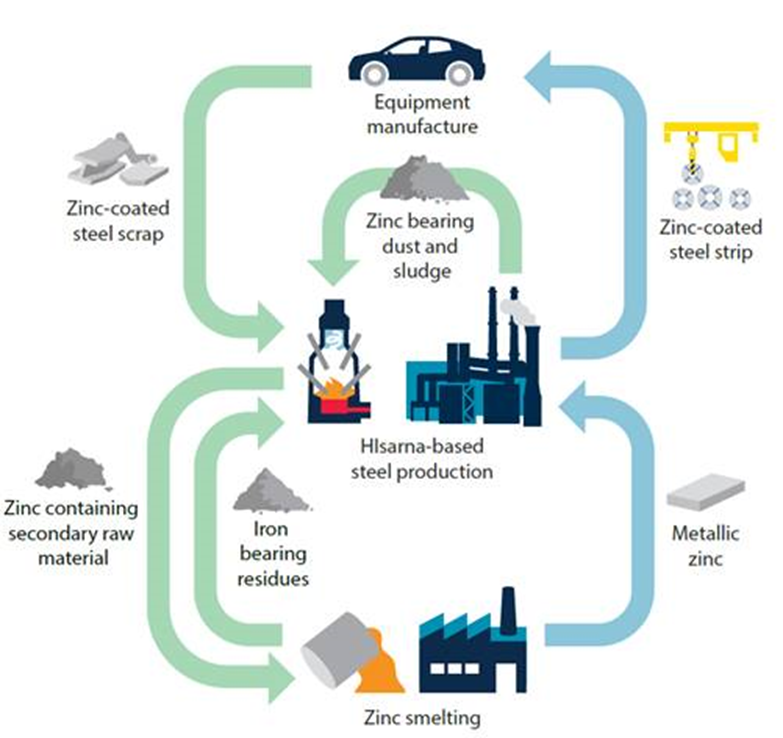
Tata Steel uses many types of raw materials to enable the production of high quality steel. Besides the huge challenge of rapidly reducing its carbon footprint, to eventually reach zero emissions by 2050, the sustainable use of raw materials is of great importance.
Steel is basically an eternally recyclable product, but on a global scale there is insufficient scrap to meet the need. Moreover, not all steel can be made from 100% scrap. Therefore, many primary raw materials are used in the manufacturing process. Besides iron ore and coal, these include additives, alloying elements, and organic or metallic coatings (such as zinc and tin). The effective reuse of all these substances requires the development of new processes, so that, in the long run, the need for primary mining products can be increasingly reduced. Using a number of examples, Tim Peeters will explain how Tata Steel is working on this. Here, CO2 reduction can go hand in hand with making the production process more sustainable.
Speaker: Tim Peeters, Department Manager Tata Steel, R&D, Ironmaking, Steelmaking & Casting
Chairman of the day is Erik Kemp, Cyber Security student at the University of Twente. In his spare time a student of climate crisis and what we can do to counter it. He has been a director at KIVI Students Twente for several years and since this year active at Scientists4Future-Twente.

The programme is as follows:
13:00 Walk-in with coffee/tea
13:30 Opening and introduction by the chairman of the day, Erik Kemp
13:45 Presentation [1] Raw materials for energy transition are scarce, Arjan Dijkstra
14:15 PM Presentation [2] Future-proof solar panels, Yvonne van Lith
14:45 Presentation [3] Recycling of plastics Tom Housmans
15:15 hrs PAUSE & NETWORKS
16:00 Presentation [4] Biofuels, Bert van de Beld
16:30 Presentation [5] Sustainable steel, Tim Peeters
17:00 Discussion based on propositions led by Erik Kemp
18:00 Closing with a snack and a drink
At this seminar, participants are expected to actively participate. We will use Poll Everywhere for this purpose
This symposium is organised by KIVI Region Gelderland, Region East and Dutch Process Technologists.
Participation (before catering) costs €25 for KIVI members and €40 for non-members. Students can participate for free.
It is also possible to participate via livestream via this link: https://youtu.be/qzrmJ26S2Dk