

The city of the future is GREEN
Susan Groot Jebbink's presentation in found under 'Documents'
THE CITY OF THE FUTURE IS GREEN
Introducing the presentation by Susan Groot Jebbink, Business director Healthy & Safe City at Sweco, Gerard Thomas gave some examples of Awards for Green cities and towns. One place of interest to Gerard is Doorwerth. It is at number 12 in the ranking of villages. Rijswijk is number 1 among cities. One is based on the percentage of area of trees and lawns.
The guiding principle for the presentation was:
1. The green city reduces the risk of flooding
2. The green city cools the city in summer (heat stress)
3. The green city contributes to health and well-being
4. The green city contributes to social cohesion
5. The green city attracts businesses
6. The green city provides biodiversity
7. The green city increases property values
8. The green city improves air quality & noise perception
These points were covered in the presentation.
What really appealed to me was an example about social cohesion. If you think planting a vegetable garden is good for the neighbourhood, you first have to discuss with the residents whether they really want it and involve them where it will be located and what will be planted in it. If you just plant a vegetable garden, it is doomed to fail. Actually, this applies to the entire design of the neighbourhood: together with the residents.
We had prepared a number of questions but Susan had already incorporated most of them in her presentation.
The remaining questions to the participants were:
- Tiling gardens should be banned:
About 50% answered yes to this question, only a few were in favour of fining, the others said "this is unenforceable. Those who said no were of the opinion that people should decide for themselves.
- The green city is attractive because there are no more cars on the doorstep:
Again, the answers were 50/50. The has of the participants wanted the car in front of the door or in the driveway. The other half did not mind the car being a bit further away.A few talked about how in the future you will only have shared cars.
I summed it up very briefly:
Greener = cooler IGroener = healthierIGreener= encourages working together IGroener = is more attractive
I understand that this is only a very condensed view of the presentation on green cities. The complete presentation is attached.
Gerard Thomas, Activities Committee Gelderland region
WEBINAR: The city of the future is GREEN
Wednesday, 16 February, 19.30-21.00
In the future, more and more people will live in cities. Pleasant and healthy city living will therefore become increasingly important. At the same time, we need to ensure nature conservation and climate adaptation.
Susan Groot Jebbink of the Sweco consultancy explains to us what the city will look like in the future. With as much greenery as possible. Think smart green roofs, hanging gardens and more trees.
- The green city reduces the chance of flooding
- The green city cools the city in summer (heat stress)
- The green city contributes to better health and well-being
- The green city contributes to social cohesion
- The green city attracts businesses
- The green city boosts biodiversity
- The green city increases the value of houses and offices
An annual award for the greenest city is presented: https://degroenestad.nl/
and a Green City Challenge is organised: Home - The Green City Challenge and HUGSI GSC | HUGSI
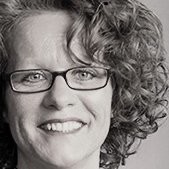
Speaker: Susan Groot Jebbink, Business director Healthy & Safe City at Sweco
The programme is as follows:
19.30 h Welcome & Explanation interactive programme Poll Everywhere
19.40 o'clock Presentation Topics 1 - 4
20.00 pm Questions
20.15 hours Presentation Topics 5 - 7
20.35 hours Questions
21.00 hours Closing
Location: Online via MS Teams. You will receive the link for participation upon registration via the website.
Cost: None