

Excursion Tagebau Garzweiler
KIVI Region North visits Garzweiler - Engineering Association on visit
"Reality really is so much more"
Author Martin Prins posted the article below on RWE's intranet. Click here for the complete article with accompanying photos. The photo posted below differ slightly from the original, but give the same impression.
On Friday 23 June, thirty members of the KIVI Region North visited our Garzweiler lignite mine. An exception, as usually only groups from the immediate vicinity of the open-cast mine are received. The members had a considerable travel time to Grevenbroich for it.
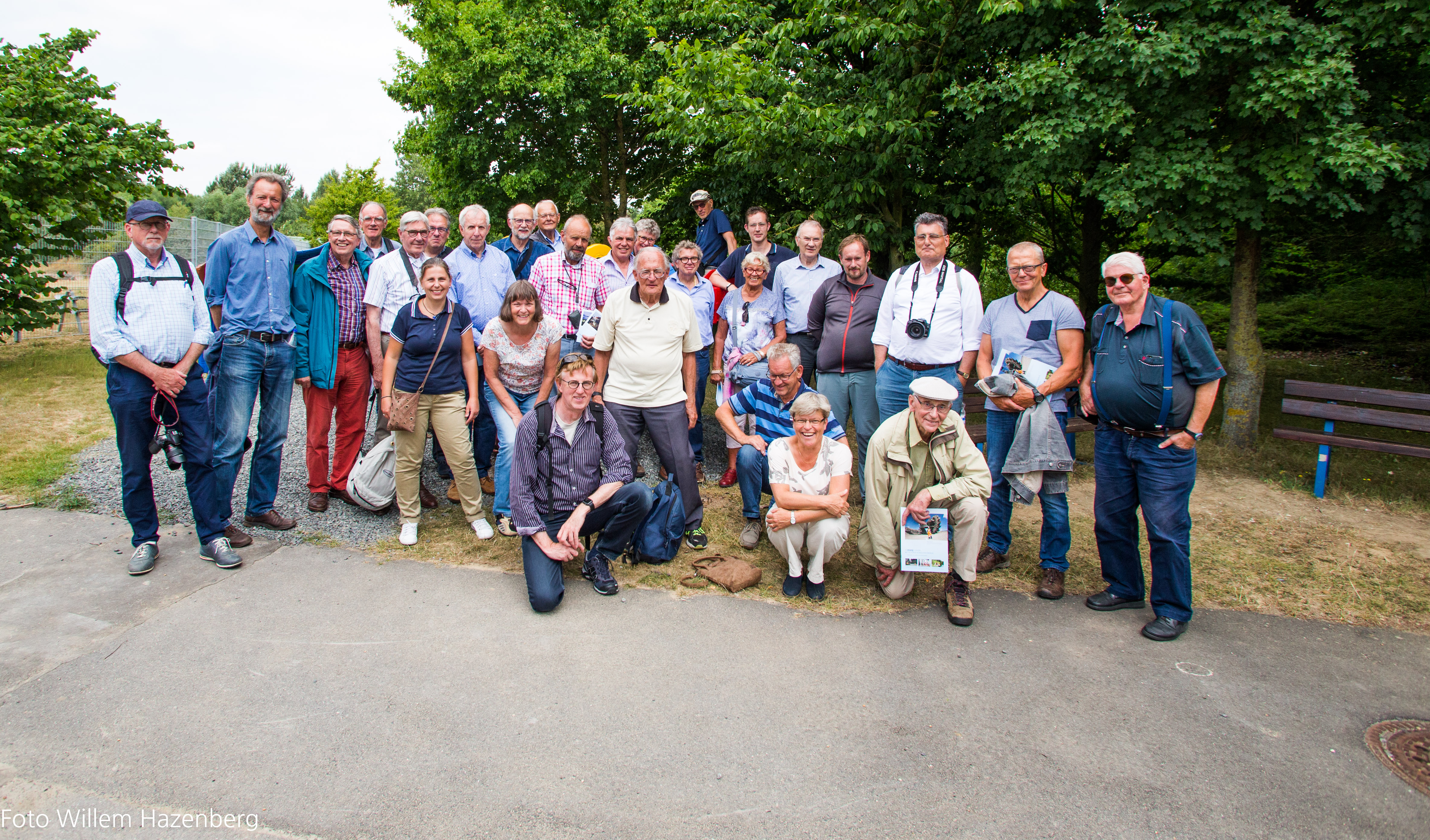
"Region North consists of Groningen, Friesland and Drenthe and therefore Meppel was chosen as the gathering place," says Mariska van Cronenberg, the organiser of the outing. "The enthusiasm was great for this excursion. This morning at nine o'clock we left Meppel for the three-hour journey. That long travel time did make it difficult to plan anything else besides the visit to the opencast building."
Honoured with a small diversions
Initiator of the excursion was KIVI member Anne-Marie Oudejans, who herself made the first contact with the Tagebau Garzweiler through the Facebook group"Wir im Rheinischen Revier für eine faire Berichterstattung". This group is working for more balanced reporting on RWE Power's lignite activities. Colleague Hermann-Josef Münchrath from the Technology Centre in Frechen is founder and administrator of the group and passed on the request to RWE Power's excursion centre. After discussion, it was decided to invite the group. As an engineer, Ms Oudejans is a great lover of large machines and has an extensive interest in the history of opencast mining in Germany: "A few years back, I had the opportunity to visit an opencast mine on a special photo excursion. Then I could totally indulge my hobby of photography." That was indeed striking about this group: the amount of large photo cameras carried. The fact that the German language was no obstacle at all for the group is, of course, less striking. German can best be called the technical language of instruction in Europe.
"I am concerned"
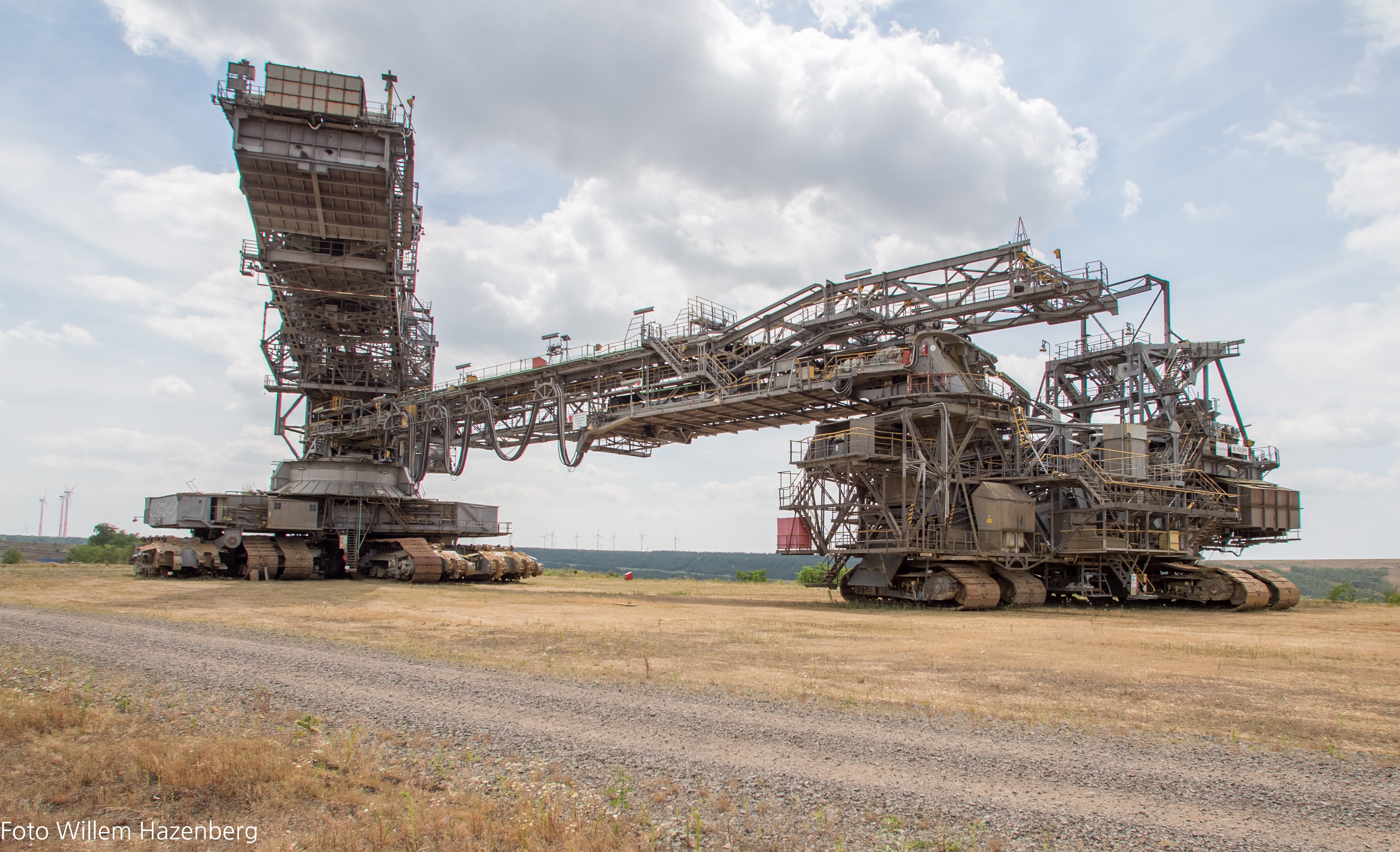
Ms Oudejans is outspokenly positive about opencast mining and the necessity of lignite as an energy fuel: she has already given several lectures on the subject and written extensively about it on her blog and Facebook page 'Lignite Lignite'. "First of all, with this visit I want to share with my colleagues at KIVI the greatness and technical ingenuity of these huge machines. But not only that. I also hope that with the guide's explanations about, for example, relocation and re-cultivation, we can help adjust the negative image about lignite and opencast mining. I am genuinely concerned about the way coal power, be it lignite or coal, is reviled. Our society is so dependent on electricity that we should resist just banning this reliable source of energy."
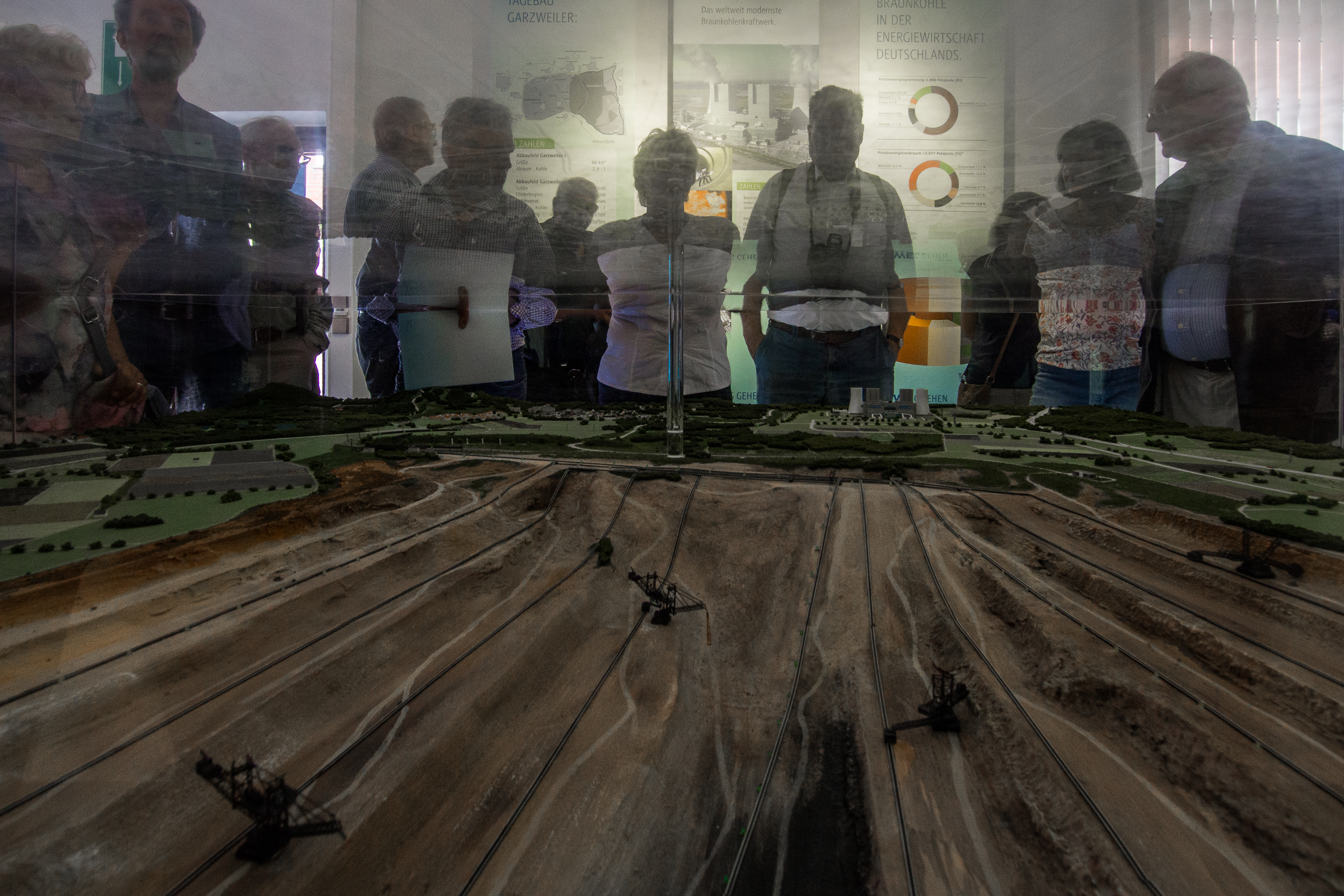
The excursion was enthusiastically received by the ladies and gentlemen engineers. Even during the explanations at the information centre, guide Michael Frügeling was inundated with questions. People did regret that they were allowed to leave the bus so infrequently to take photos and that the guide had to leave the answers to some technical questions, said one participant, but: "You can see a lot on film and so on, but physical reality is really so much more".
Text: Martin Prins
Excursion to brown coal
the old-fashioned school trip feeling
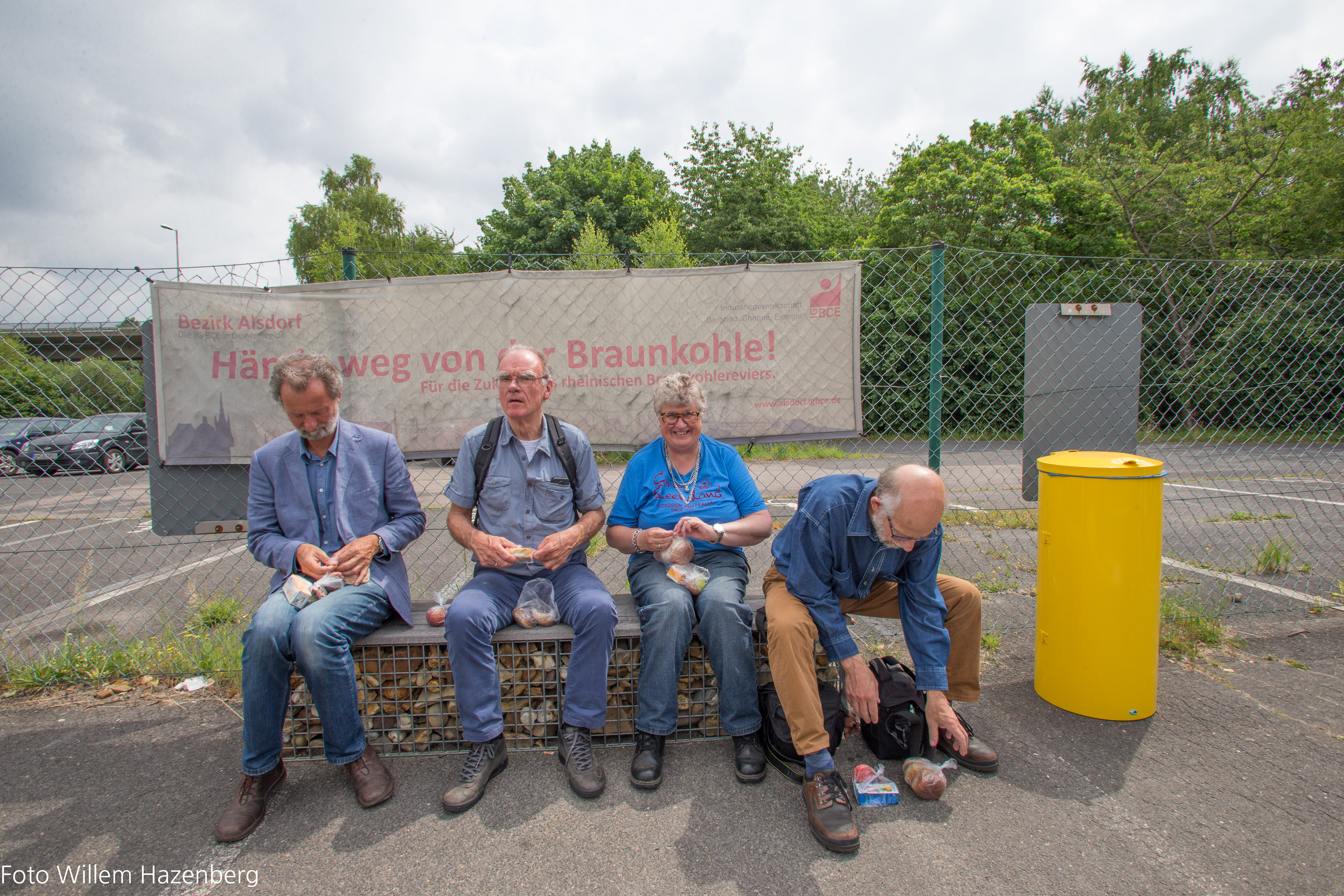
From the assembly point near the front of Meppel railway station (for bus, train and car), the bus departed punctually at 9:00 am with the journey to Garzweiler. Sjoerd Verkoelen of Vervoersgroepnoord will be a fellow driver. He too is looking forward to the ride through the lignite mine. On the way, there is a short pit stop and the filled cakes are distributed. Around a quarter to twelve we are at the visitor centre car park. There is a packed lunch for every participant, including those who came to Grevenbrioch on their own. The sun is shining, it is pleasant weather to sit outside and enjoy the sandwiches, currant bun, drink, chocolate and fruit.
At 13:00, guide Michael Frügeling takes us to the information centre. The questions burst out and we can just about manage a group photo. The group is unstoppable and wants to go into the mine. Every time the participants are allowed out of the bus, there is a lot of cackling and clicking.
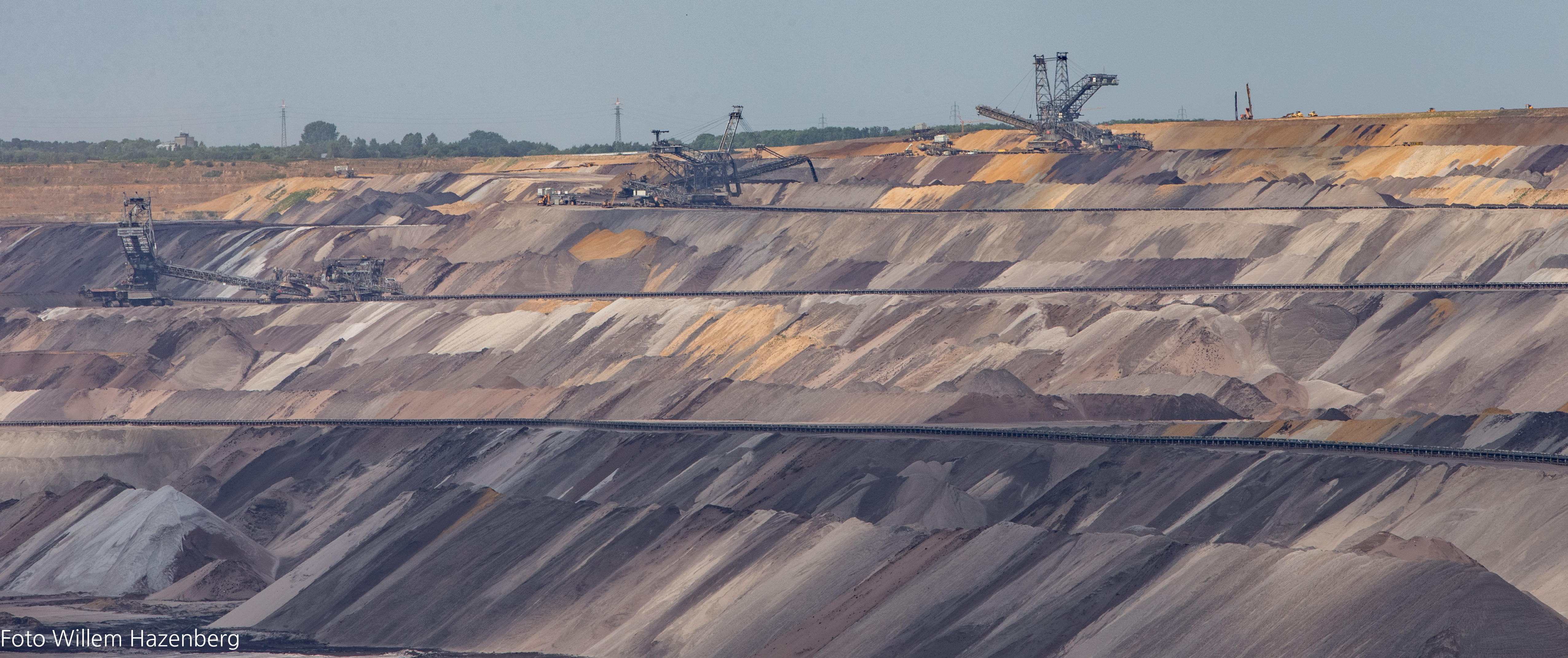
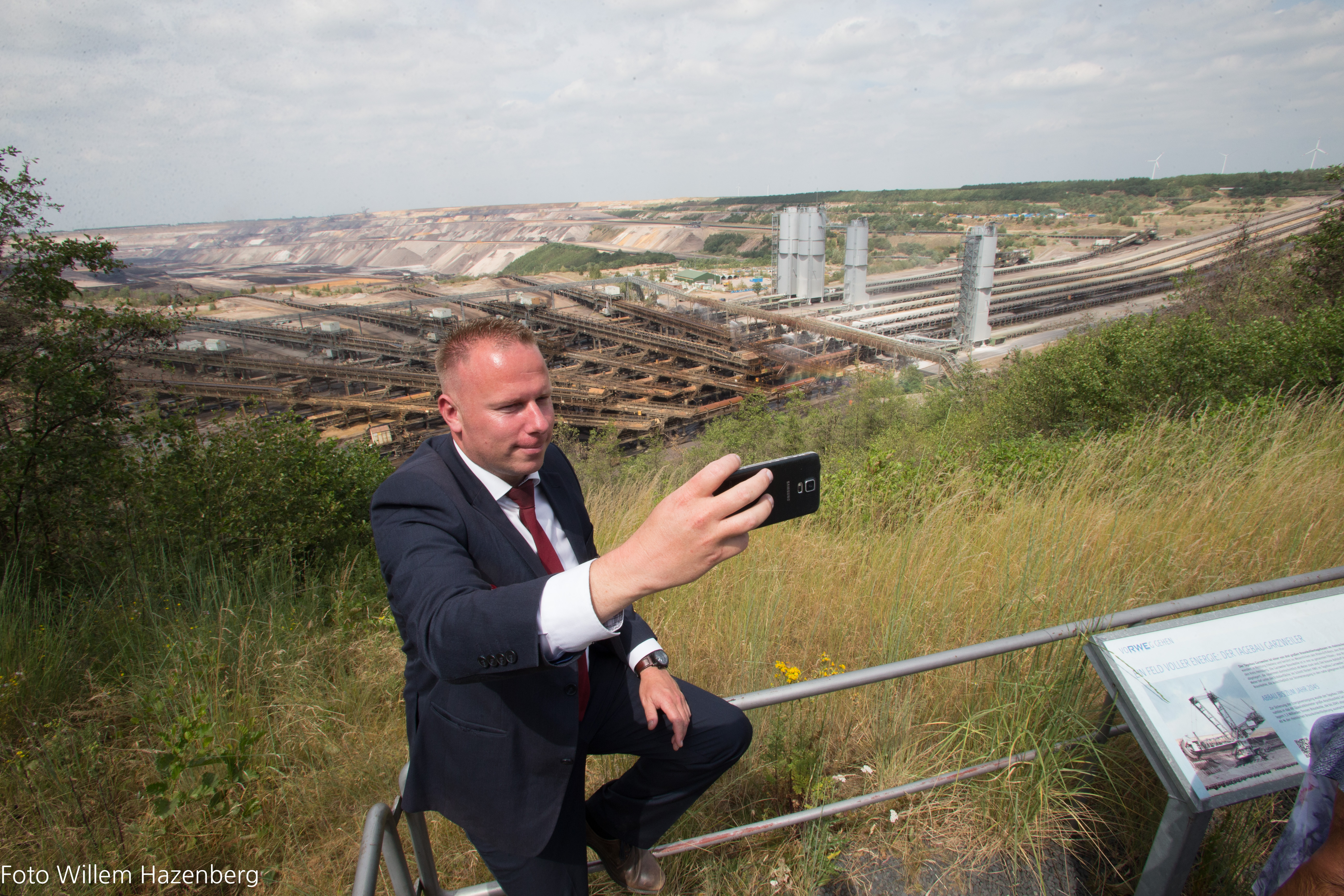
Far too soon, the tour is over and we leave for the Netherlands again. We make clever use of the compulsory driver rest periods by having coffee at the RWE's Bäckerei. Due to some traffic jams on the way, we arrive late at the Beurs in Meppel. There are also more of us than initially reported... but the food is good and the atmosphere is good.
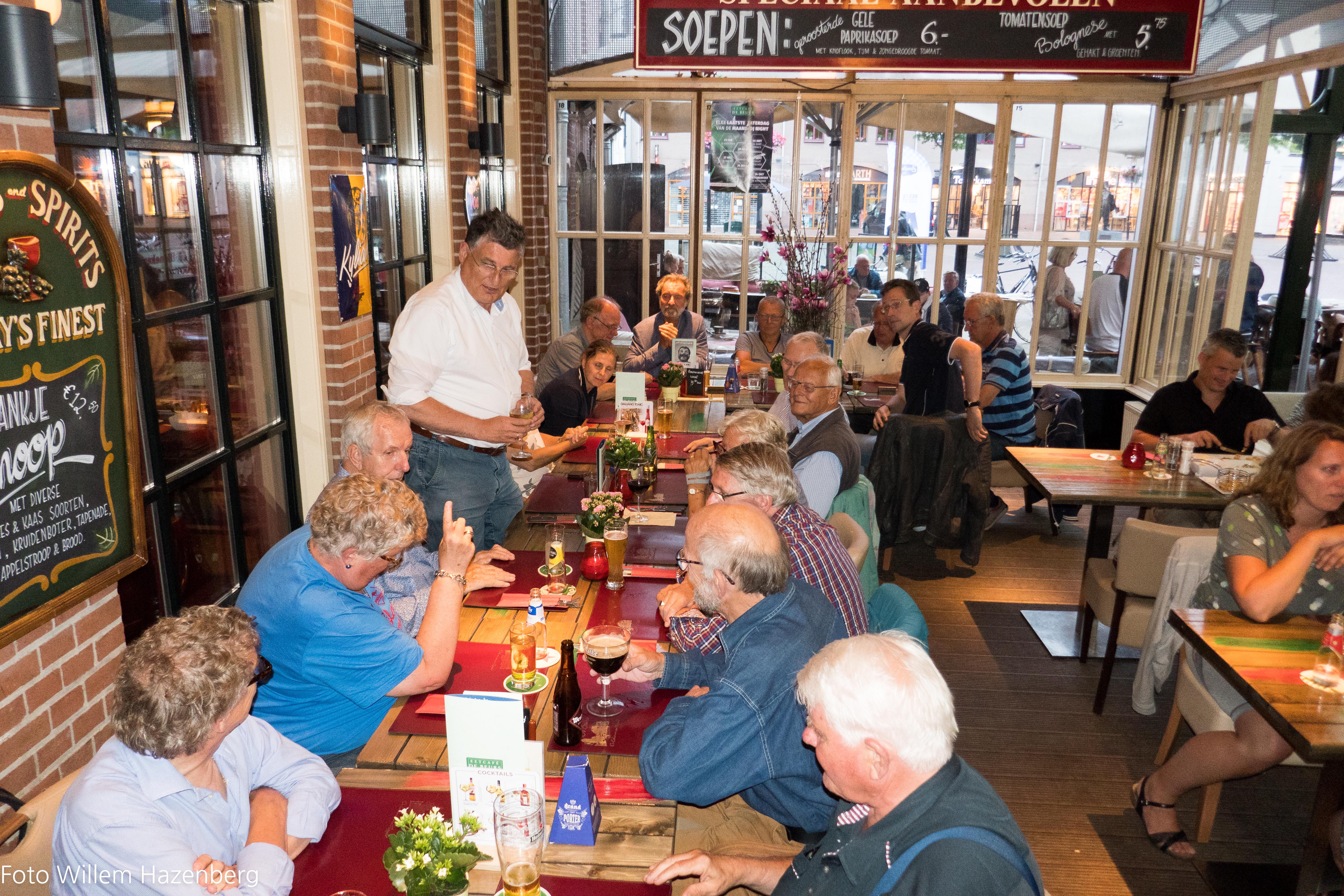
Well after 22:00, the first ones go home. Those who live nearby and stay behind talk for a long time about the physical reality of the lignite mine we experienced today.
Text: Ir. Mariska van Cronenberg
Got your own ideas for an excursion, lecture or company visit? Contact Mariska van Cronenberg | m.vancronenberg@outlook.com | +31 6 512 02 681
Description
Experience and see the deeper stratification of lignite for yourself? Then this excursion is for you!
Just about everything in lignite mining is unrealistically large, breathtaking and impressive, almost verging on imposing. People are dwarfed by the machines. In turn, these gigantic machines are "small" compared to the mining itself.
The name Garzweiler refers to the village of the same name in the municipality of Jüchen, which disappeared due to lignite mining. Sixty per cent of the residents moved to Neu-Garzweiler north of Jüchen from 1984. The move was complete by 1989, after which the old village was soon razed to the ground. The demolition process was documented photographically and on film by artists. Today, the newly created district is simply called 'Garzweiler'. The name for the lignite mine. Lignite is currently a mostly maligned and rejected fuel. But what technology is involved.
"Der Tagebau Garzweiler liegt westlich von Grevenbroich und entwickelt sich in Richtung Erkelenz. Der Tagebau berührt im Wesentlichen den Rhein-Erft-Kreis, den Rhein-Kreis Neuss und den Kreis Heinsberg.
Die Braunkohle ist in drei Flözen abgelagert, die zusammen durchschnittlich 40 Meter stark sind. Die Kohle liegt zwischen rund 40 und maximal 210 Metern tief unter der Erdoberfläche. Sie dient ausschließlich zur Stromerzeugung in den nahe gelegenen Kraftwerken."
Programme
Heenreis
09:00 departure bus front side station Meppel (for bus, train and car)
12:00 arrival Garzweiler
Lunch
12:00-13:00
Excursion through the mine and its surroundings
13:00-16:00
Coffee with
16:00-16:45 at Zum alten Rathaus in Grevenbroich t.o. visitor centre
Return trip
16:45 departure
19:45 arrival Meppel
Dinner
20:00 closing of the day with a snack at De Beurs in Meppel (including 1 drink)
Maximum 25 participants and VOL = VOL
Location
Erftstraße 111, 41517 Grevenbroich-Frimmersdorf
Info-Center Tagebau Garzweiler
Organiser
Region North
Name and contact details for information
Ir. M. van Cronenberg | 06-51202681