

Future Manoeuvre Elements
In our current era, technological innovations are happening at lightning speed. Some of these technologies are creating shock waves in our living environment and are therefore also called disruptive technologies.
All these disruptive technologies are also changing the military capability and hence the set-up of FMEs. Has the old hierarchically organised, physically-heavy and human-intensive manifestation of an FME had its day? Experience now shows that it is more mobile, powerful, versatile, adaptive, elusive and unpredictable. So not more efficient, but mostly more effective.
With our military experience, do we have enough knowledge to deal with this issue, or do these experiences hamper our thinking about FMEs? Shouldn't we use more civil-scientific insights and international military insights? And shouldn't we also study potential opponents in this area?
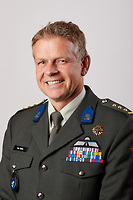
In short: plenty of material to discuss online on 11 March. Colonel Hans van Dalen hopes to greet you digitally on that evening and looks forward to a robust but respectful dialogue. After all, only together can we resolve the dilemmas before us.
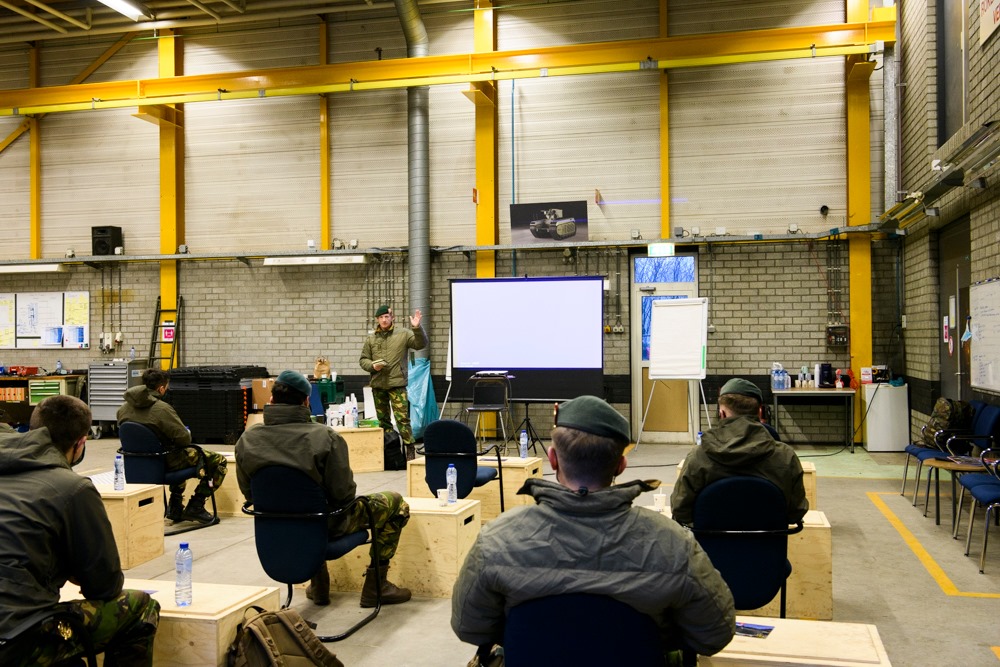
february 2, 2021: Representatives of THeMIS come to explain the new developments for the Milrem. After the opening address by Colonel Joost Doense, Commander Future Manoeuvre Element, the brigade's soldiers set out to explore which functionalities from Milrem's autonomy package add the most value to RAS operations. With the ultimate goal of being able to make a sound judgement on the desired autonomy package for the RAS platoon at the end of the week, so that they can optimally participate in the Enhanced Forward Presence (eFP) 2022.