

Nuclear Energy today and in the future
You can find the sheets of the presentation under 'Documents'
Language: English
The international community, guided by the United Nations, has issued several measures and recommendations to keep the global warming to a minimum. One of these deals with the reduction of carbon dioxide emissions during the energy production process. The use of nuclear energy is an important element in this process. The role of nuclear energy in the present and future global energy and electricity supply will be discussed, as well as several reactor types that are or will be providing essential electricity contributions. Safety aspects (including the effects of radiation on the human body) and long-term storage of high-level radioactive waste are, among others, two fields that are nowadays subject to extensive scrutiny. Therefore they will also be reviewed.
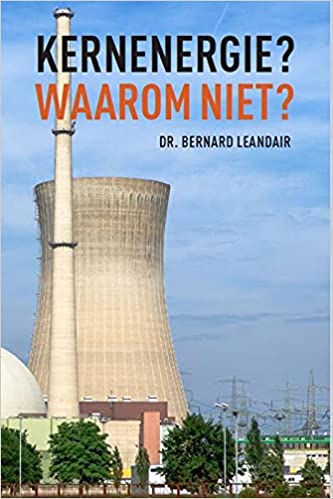
Dr. Leendert Bevaart has worked with the International Atomic Energy Agency (IAEA) in Vienna, Austria for almost thirty years, starting in the early eighties last century. Consequently, he was a staff member when the IAEA and its Director General Dr Mohammed Elbaradei shared the Nobel Peace Prize in 2005. After his retirement he wrote the book "Nuclear power? Why not?" using the pen name Dr Bernard Leandair.
Nuclear power; today and tomorrow
To minimise global warming, the international community led by the United Nations has published a series of measures and recommendations. One of them is to reduceCO2 emissions from power generation. This includes nuclear energy. This talk will discuss the role of nuclear power in current and future global energy and electricity supply, as well as some reactor types that are or will become important. Furthermore, some safety aspects, including the impact of radioactive radiation on the human body, will be discussed. And because it is referred to quite frequently these days, the long-term storage of highly radioactive waste will also be discussed.
Dr Leendert Bevaart was employed by the International Atomic Energy Agency (IAEA) in Vienna from the early 1980s for about 30 years and was thus also working there when the IAEA was awarded the Nobel Peace Prize in 2005, jointly with its Director General Dr Mohammed ElBaradei. After his retirement, he published the book "Nuclear power? Why Not?" under the pseudonym Dr Bernard Leandair.