
Battlefield Internet
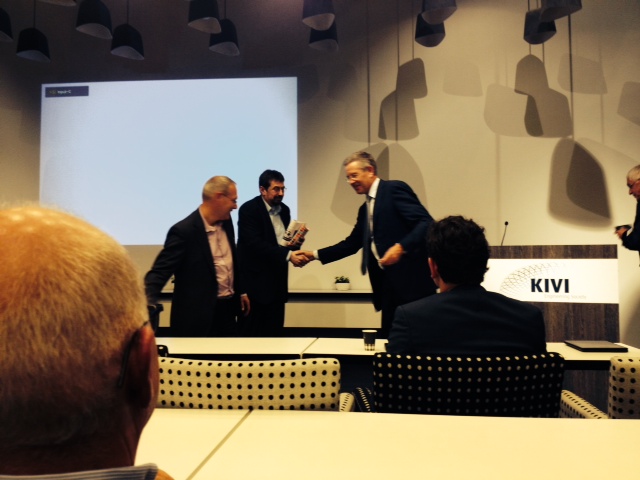
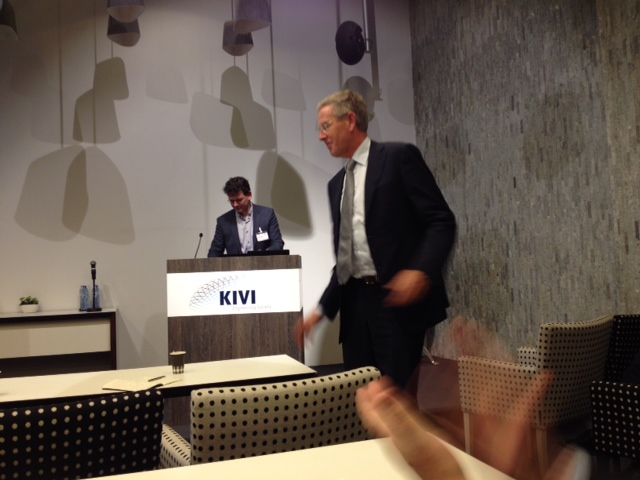
This evening was a great success with the attendance of more than 65 KIVI members and interested parties.
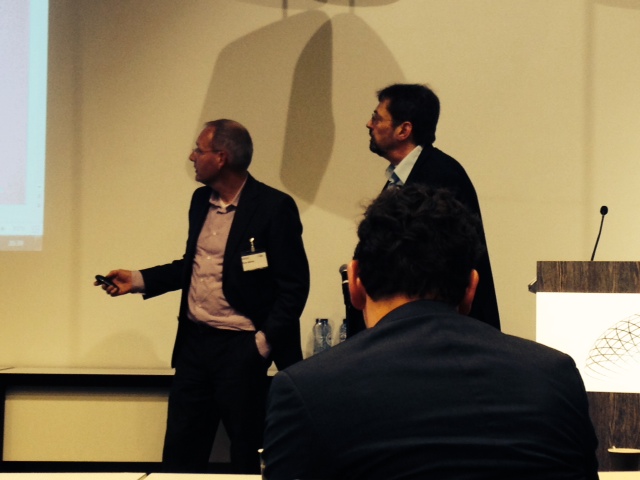
After an introduction of the speakers by TNO's host Hein Franken, the first speaker Lt. Col. Björn de Heer addressed the need to develop new military strategies. On the one hand, with the global growth of mega-cities, attacks and defence become relevant both above and below ground with multi-level floors and tunnels. Developing communication links and positioning systems in this urban area poses new challenges. For this, Technology is indispensable and cannot be "achieved with a. "Silverbullet". To this end, local robust Software Defined Radio (SDR) networks need to be developed, but in such a way, that radio and network traffic does not reflect position. Superior de Heer showed a hint of the path towards new approaches and methods for Warfare Battlefield 21st century. These will guide the further development of future mobile and fixed networks at strategic, tactical and operational levels. This uses and responds to the developments of LTE networks (4G and 5G), where private networks will start to emerge in conjunction with public networks. So what about protection, risks? Will it be Taylormade or everything over the Internet? How will stealth be guaranteed? Which scenario is appropriate for the three different landscapes with geographical limitations? New challenges for Defence and industry.
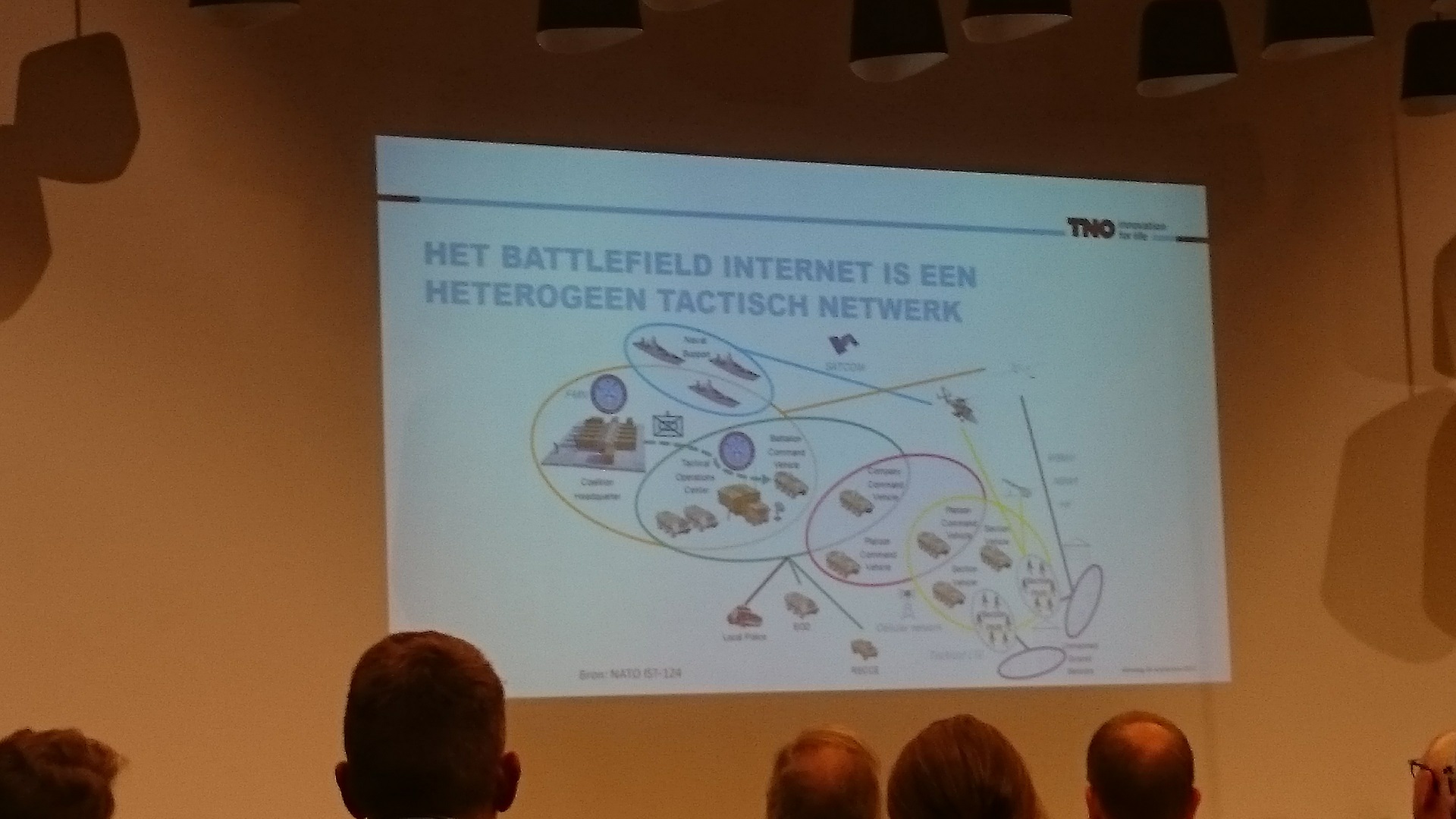
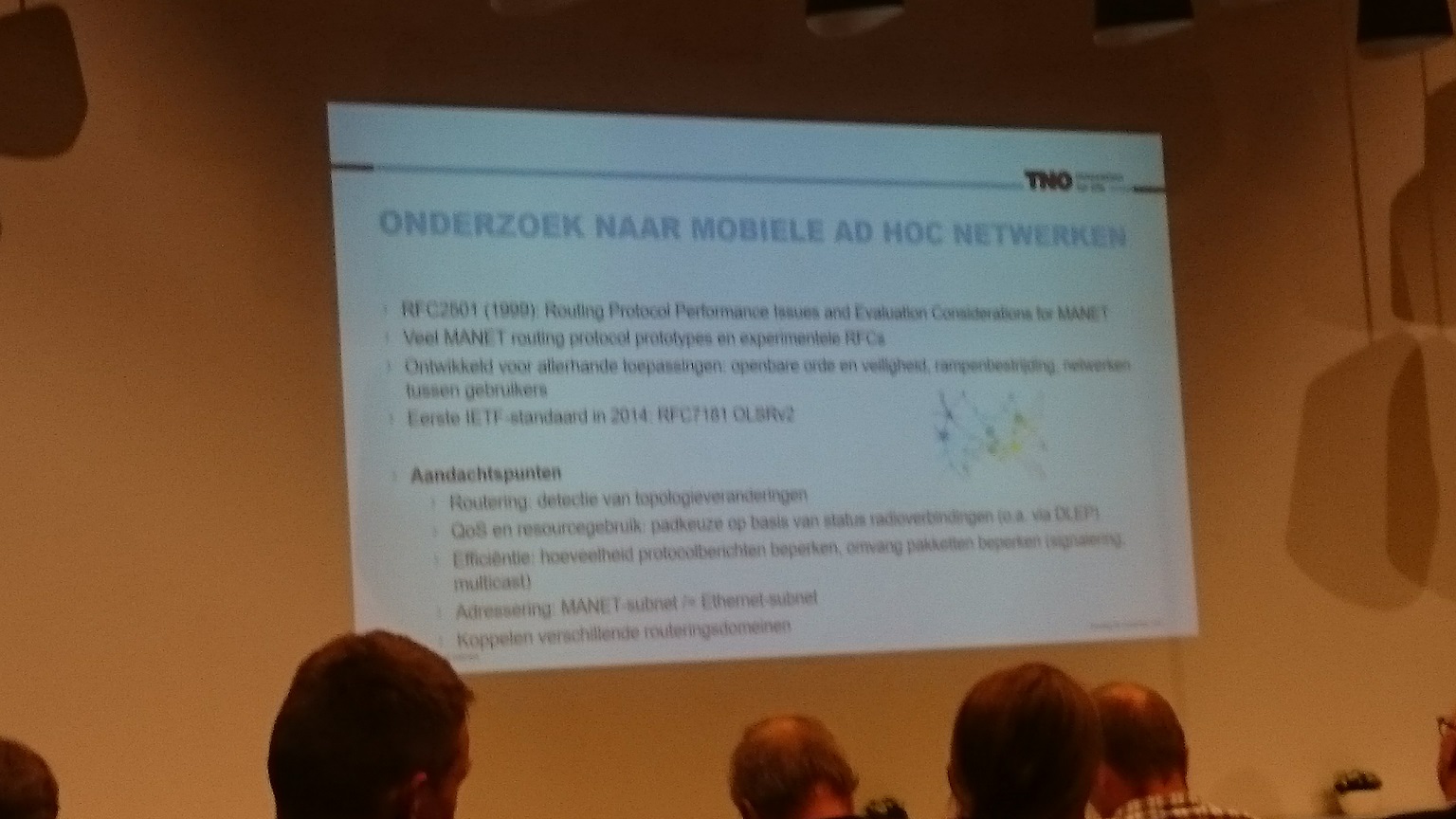
The second speaker Arjen Holtzer, senior expert tactical radios at TNO discussed the studies on the interpretation and development of Software Defined Radio (SDR) networking in a tactical environment. Then the tactical use of LTE (what advantages and disadvantages does this provide for Defence), this was explained with examples in a military scenario: results of a study on mobile (ad-hoc) networks. The future battlefield Internet will be a heterogeneous tactical network structure (fixed and wireless) with open and closed network parts. TNO is collaborating on this with research institutes around the world as well as 3GPP, EDA and NATO standardisation committees.
The third speaker Timo Bakker and Joachim Gloeckler (from Germany) showed how mobile networks can be deployed with concrete products and demonstrated with examples how a mobile network station can be set up in a disaster area. Nokia (merger of Nokia, Alcatel, Lucent and Motorola) is continually expanding its existing mobile network equipment, which can be used for ground troops or relief workers, with which a local network can be set up, that network can be both partly private and as well as open, which in disaster areas also makes contact with the local government, emergency services and population. Examples of "innovative solutions" for "Emergency Networks"
At the end of the meeting, Huib Ekkelenkamp, the vice-president of KIVI Telecommunications Department gauged the interest of the activities planned by KIVI-TC for 2018.
This meeting came about through a successful collaboration between the KIVI Telecommunications and Defence & Security departments.
Description
KIVI's Department of Telecommunications and Department of Defence and Security invite you to the "Battlefield Internet" theme evening.
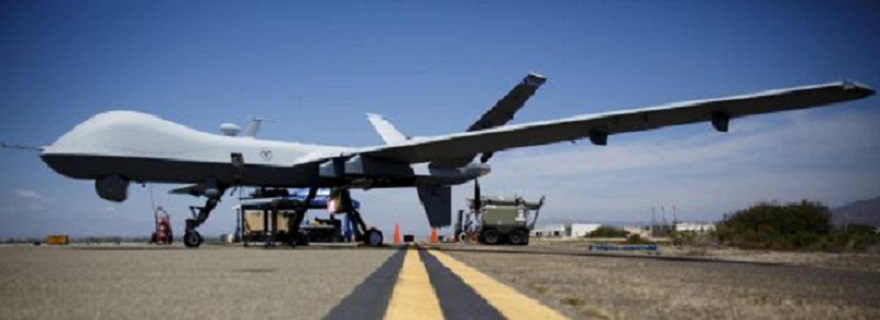
Internet originates from the DARPA defence project, where a robust way to communicate was sought. Since then, the importance of robust communication in times of crisis and war has only increased. This, together with current threats to western interests, underlines the importance of a battlefield Internet. The battlefield Internet is all about increasing data speed and reliability between intelligent nodes on the battlefield, be it manned (soldiers, vehicles) or unmanned (sensors, drones, etc.).
How do you keep receiving data reliably on your device when stable transmission towers, satellites and fibre optics are not (or no longer) available? Intensifying military cooperation within Europe in a rapidly changing world are hot topics after the many years of austerity and relying on support from others for our security.
The speakers will guide you through the many challenges - to make technical/civil innovations suitable for the particularly difficult conditions on the battlefield of the 21st century - and take you into a world of challenges.
Speaker(s)
Lt. Col. Björn de Heer Ministry of Defence Land Warfare Center.
ir. Arjen Holtzer of TNO, advisor and project leader.
Timo Bakker MBA, Defense & Public Safety Nokia Europe
Location
Prinsessegracht 23, 2514 AP The Hague
Organiser
Telecommunications
Name and contact details for information
Hein Franken
World Policy The Internet as Battlefield.