

Smart Health, Digital Care & Telecom
With new technology, we keep healthcare affordable and accessible!
In the process, we improve patient safety and efficiency, both for patients and care providers.
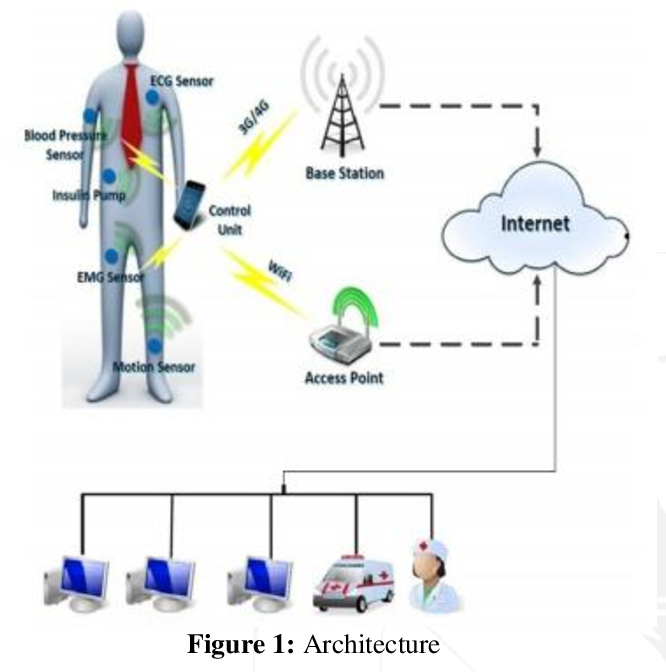
With the advent of new technologies, new medical products reliable networks and fast connections, patients can be reliably monitored remotely.
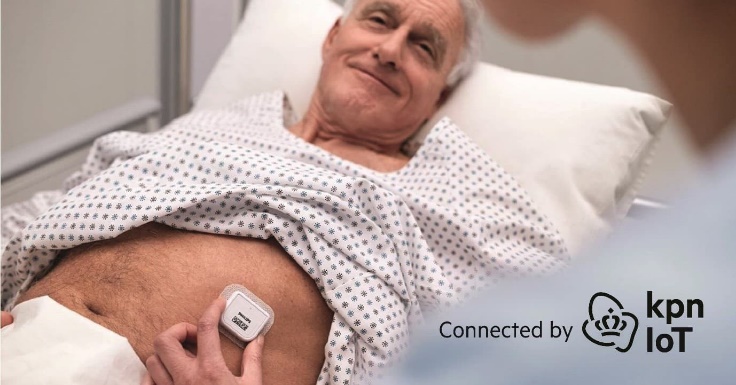
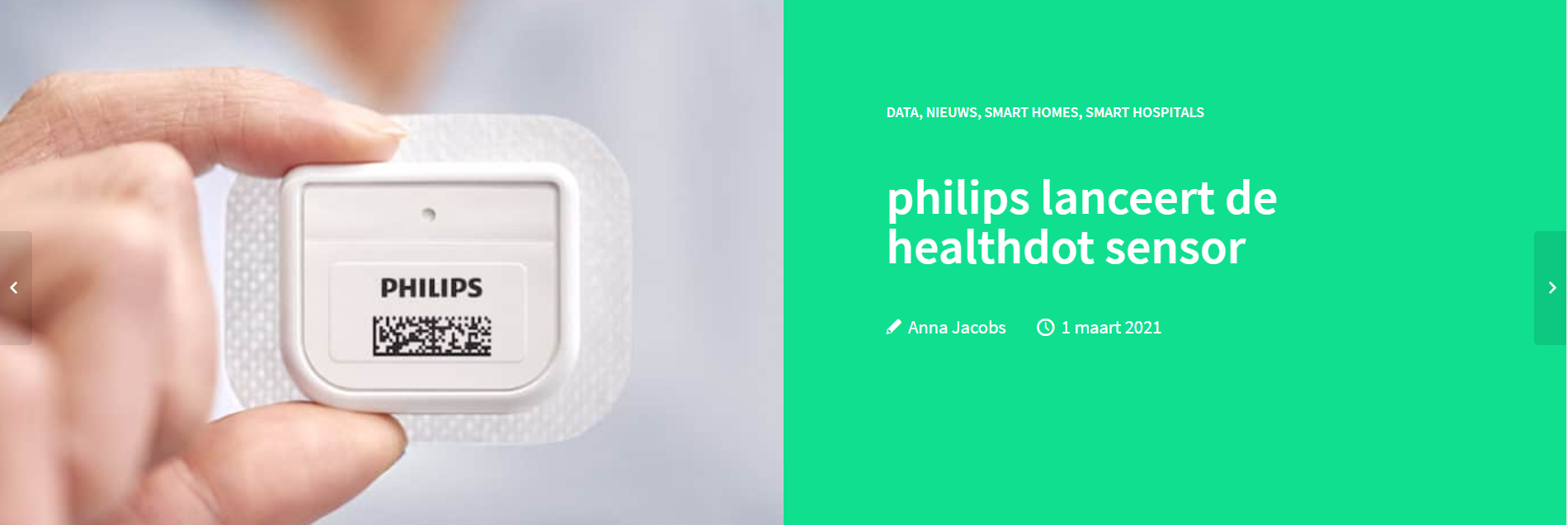
Watches or other digital devices, such as Philips' smart plasters' can be used to take measurements on the user as a BioSensor. This can also be used to analyse the user, warn of a changing pattern and it can support the recovery process, after an illness.
BioSensor are now being used in hospitals for, among other things:
-
covid patients remote monitoring.
-
individuals with certain disease monitoring 24x7 (Diabetes, High blood pressure and so on)
This is good for the patient (monitoring, so more rest) and for hospital (less visits). This helps for less care in hospital. By monitor ring, patients are also more quickly adjusted to a particular medicine, you can take samples with great regularity.
Of course, more and more products are coming on the market, which allow analysis of health from the hospital and from the patient. Besides the BioSensor, we can also think of a sensor in the toilet (with a selection button, who uses the toilet), this can already be used to do an important analysis of certain pathologies and use of certain drugs.
Support Ambulance personnel:
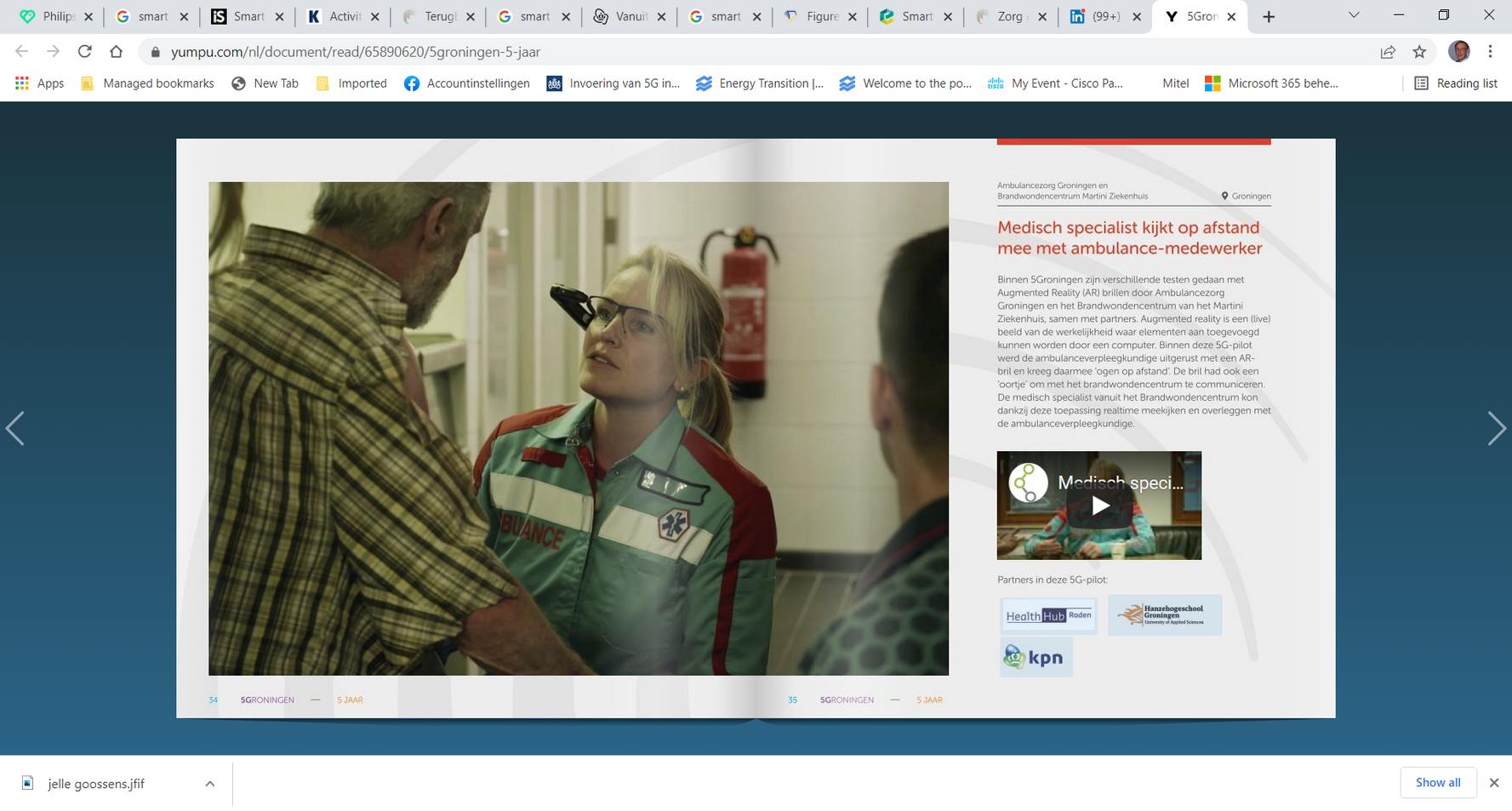
In case of an incident, it is possible to quickly involve specialists through tele-help. A doctor in a hospital can already observe examinations by ambulance staff and in the ambulance en route. The doctor can also already give advice. When a patient has to travel a long distance to the hospital, a comprehensive diagnosis can already be made and advice given to nurses on the way. With modern technology, doctor is already almost close to the patient during an examination on the way to the hospital. (5G trial in Groningen).
KIVI Telecommunications
The question is of course, what developments are seen and what is the impact on the patient, on the hospital and possibly on costs. Will a patient be warned of a heart attack, will we stay healthier?
KIVI Telecommunications presented you with an evening seminar, in which the current situation and experiences and the future desired situation, were discussed.
The introduction was given from the healthcare UMC, then the floor was given to KPN Health.
Speakers:
Speaker 1: UMC Utrecht Jelle Goossens
Jelle Goossens Programme Manager, Direction Strategy and Policy, Digital Health Department University Medical Centre Utrecht
The Digital Health Department is responsible for further digitising and personalising healthcare, by accelerating and scaling up eHealth and Data Science applications.
Jelle will elaborate on why UMC Utrecht is committed to digital healthcare and its applications, then he will elaborate on a number of concrete examples of eHealth applications developed within UMC Utrecht and what this has brought to patients and healthcare professionals and the hospital.
Speaker 2: KPN: Daan van Dooren
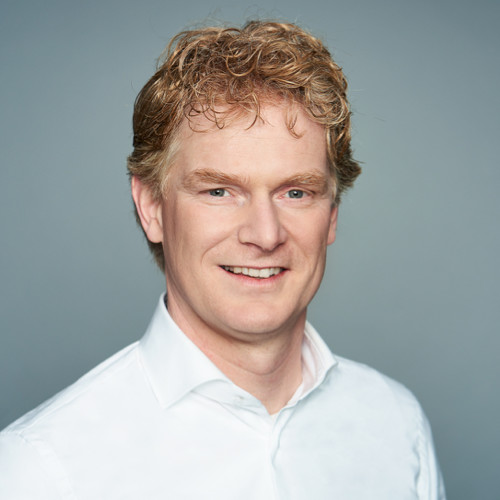
Daan van Dooren is innovation lead at KPN Health and deals with the development and introduction of services specifically for the Healthcare sector.
KPN Health is a separate division within KPN with its own sales, consultancy, operations, project management and service organisation. With more than 150 employees, we focus on healthcare solutions for the care, cure and home care markets. Every day, we help healthcare organisations digitise. After all, we believe that digital transformation contributes to improving patient safety, your employee satisfaction and the quality of care.
In the coming years, major challenges await us to keep healthcare accessible. Challenges that can be partly met with digitisation. At the same time, digitisation offers numerous new opportunities. KPN is convinced that interoperability of data/information and the free flow of that data are important preconditions that must be met. This is what we are working on with our Health Exchange. During this session, Daan takes you through what is going on in the healthcare landscape to get that standardisation done and explains how KPN is responding to this with a Data Exchange.
Philips Benelux: Remote care made possible by data
"The BioSensor itself is just the sexy front end. The real cleverness is in the software behind it. Only when you collect data does it become interesting. By collecting data, we can unleash multiple algorithms on a single patient. Those algorithms see problems that patients themselves do not yet sense. We see the first signs of deterioration - a higher heart rate, accelerated breathing - as early as 6 to 8 hours before a patient notices it. That enables healthcare providers to take action before it's too late."
Future forecast
Philips: What we are moving more and more towards is being able to predict what is going to happen. The more data there is, the more people can be monitored remotely, the more personalised the algorithms can be made." Philips has high hopes for the innovations in e-health, as there will be more personalised care for the patient, more time for the nurse for the care that is really needed - as routine measurements go automatically - and fewer waiting lists. "If soon we really are able to prevent complications and send patients home faster, it will make care cheaper too."
Articles Smart Health, Digital Care & Telecom:
https://www.emarketer.com/content/how-5g-will-change-healthcare
trends/DI_TMT-Connectivity-and-mobile-trends.pdf
https://www.cbinsights.com/research/apple-healthcare-strategy-apps/
https://magazines.defensie.nl/defensiekrant/2021/15/02_tempus-als_15
https://www.overons.kpn/en/kpn-in-the-netherlands/innovation/ehealth
Smart bed app eases night shift
https://www.yumpu.com/nl/document/read/65890620/5groningen-5-jaar