

Autonomous Shipping and ALV



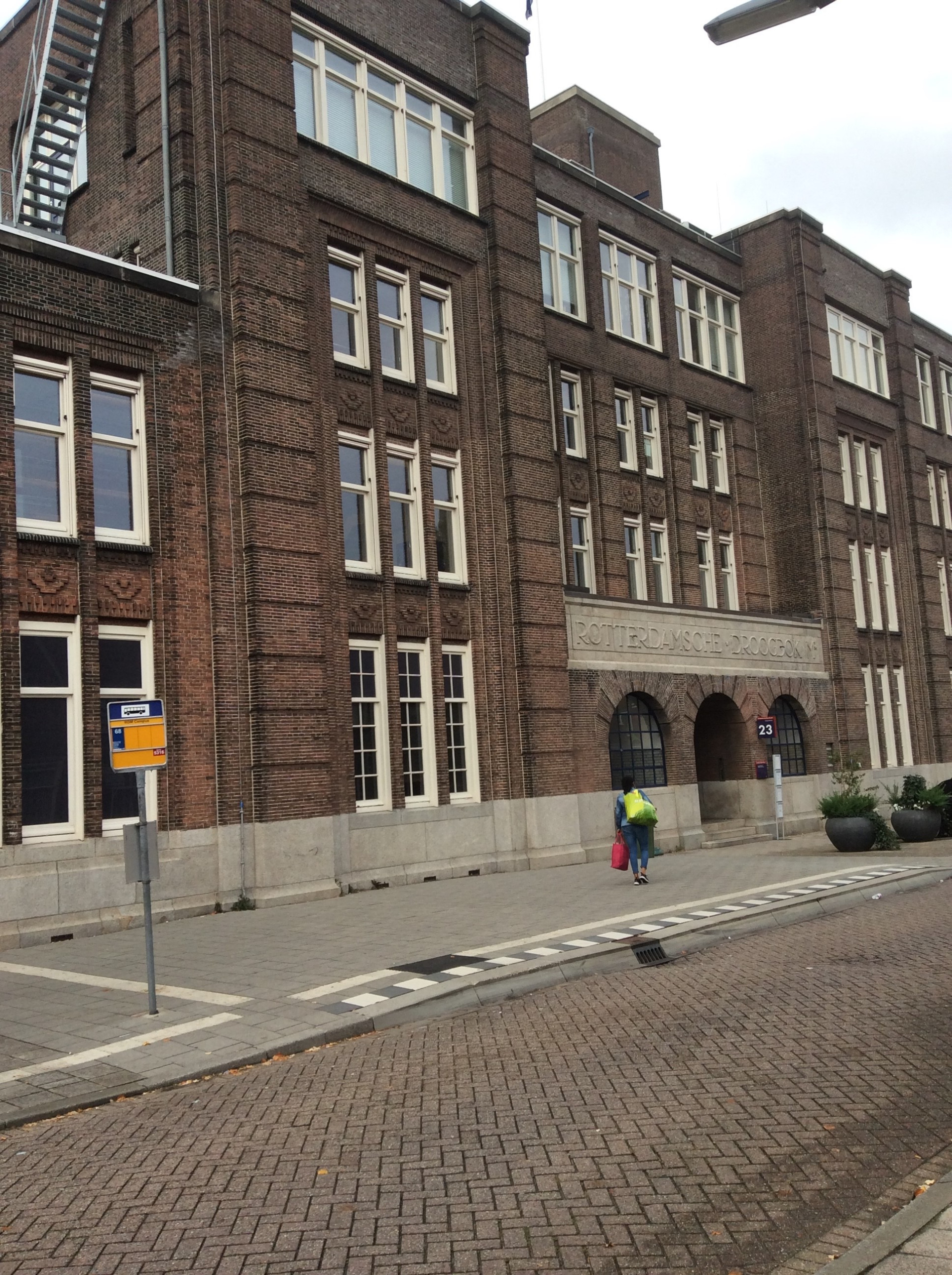
The excursion was preceded by the AGM.
The attendance at this excursion was significantly higher than average at around 25 people. We were pleased to welcome many members from other departments and especially experts from the shipping industry.
The lectures were introduced by Mr Hans Maas, director RDM Centre of Expertise.
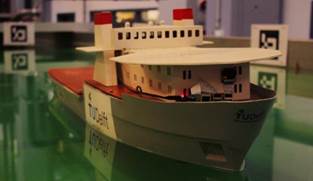
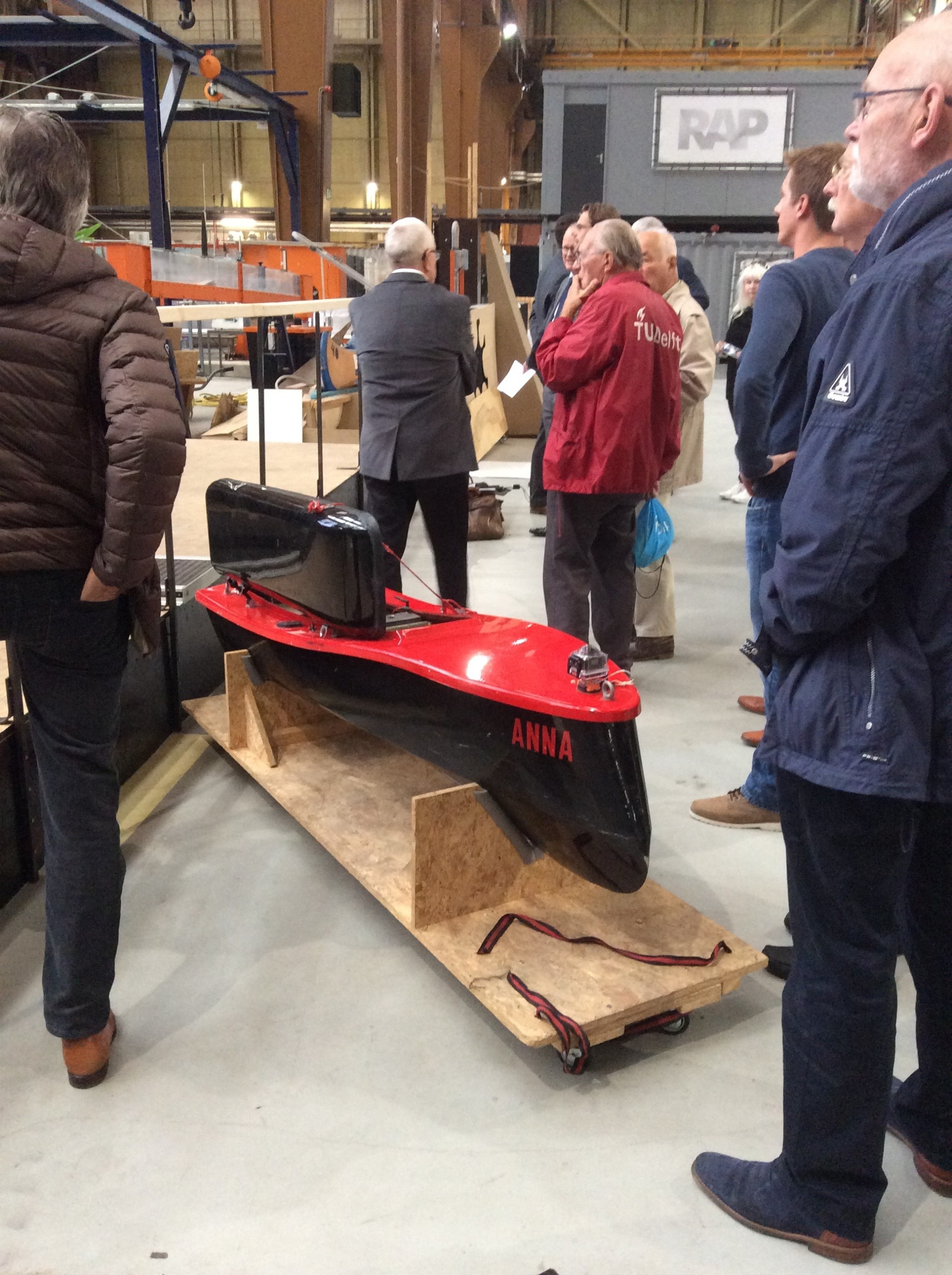
This was followed by a lecture on autonomous sailing by Ali Haseltalab MSc of the Department of Maritime and Transport Engineering at TU Delft and Dr Rudy Negenborn, associate professor at this department. In various laboratories, including in Delft and Rotterdam and also in the US, PhD students and other researchers are trying to gain insight into the behaviour of autonomous vessels via scale models. This involves both the use of these vessels on the high seas and in ports. TU Delft's research is mainly concerned with making the behaviour of these vessels predictable. This requires a detailed mathematical model of a vessel with all its subsystems and their interactions. The speaker showed a model ship with which research is being conducted.
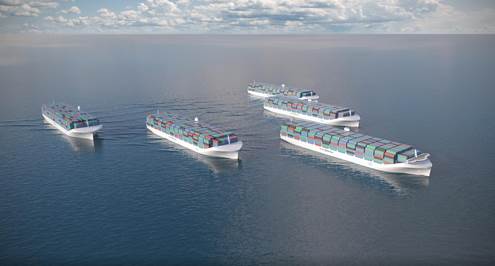
Automation on ships has been going on for years. Large ships sail with minimal crew to save costs. The crew present is increasingly given a control function and this will continue in the future. Ships without crew can do without certain facilities essential for people, saving space and costs.
Of course, safety plays an important role. Ships will need to have a fall-back option, for example, to automatically sail back to the nearest port in case of too severe sea conditions.
Autonomous sailing is expected to start with remotely piloted ships.
The speaker also discussed other projects and collaborative projects at TU Delft.
It became clear that autonomous sailing is much more complex than the already complex autonomous driving. A question from the audience about whether pilots will be needed in the future was answered by saying that this will no longer be necessary if the desired information about the route (sea current, ground movements in channels) is available. Of course, this must be legally framed.
The second speaker from RDM Campus, Ing Ines Simic discussed drowning detection. She is a graduate of the Sustainable Port City Knowledge Centre and this year's winner of the Bachelor Award of Rotterdam University of Applied Sciences. Accidents are happening more and more, there are many refugees, crimes are taking place or drunk people are drowning. People often do not go missing because people are not paying attention.
This software engineer has developed software that can receive extremely accurate sound of a drowning person falling into the water or already underwater. A safety badge provides the required signal if someone is unconscious, for example. A microphone picks up a wide range of sounds, after which the software filters out the desired sound from the noise. Multiple systems can work together to simplify localisation. Multiple types of sound can also be combined This then becomes available to a ship's crew or a shore-based supervisor.
Storing data creates a historical database, which can be used to predict, identify risk locations and take measures for hotspots. The systems used have a long-lasting battery. Efforts are also being made to generate their own energy.
Very interesting results have already been obtained from this research. It also collaborates on many other studies, such as those on artificial senses, such as noses and ears.
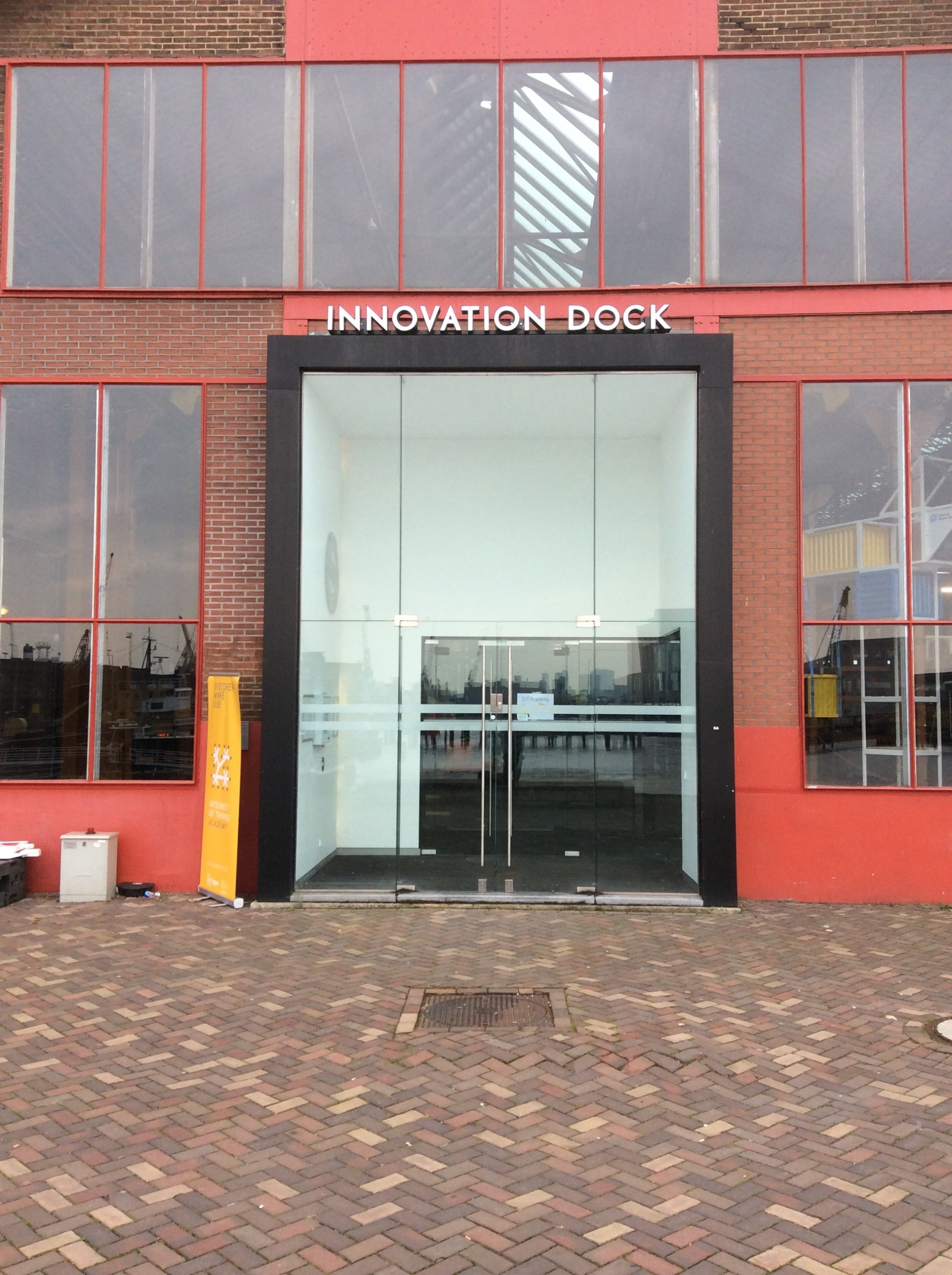
We then went to the Innovation Dock on the RDM Campus for a film explaining the Roterdam ship trials. The presentation was given by Ing Jan Scholtens, a recent graduate in Maritime Technology, and Leon van Soest, a mechanical engineering student from a recreated bridge of a ship. Unfortunately, the basin was not in use so we could not see any sailing scale models.
Afterwards, drinks were held.
This excursion was highly appreciated by the members.
Description
The Department of Transport Science and Logistics, in collaboration with the RDM Center of Expertise, Rotterdam University of Applied Sciences and Delft University of Technology, is organising an afternoon of presentations and demonstrations on the theme of autonomous vessels. In 2016, RDM's Dokhaven opened the Dronehaven, a unique experimentation site for sailing drones in open water. In addition, RDM and TU Delft have had laboratories experimenting with autonomous craft for many years. Researchers from both institutions will present their research, findings and expectations for the future. Afterwards, a demo will be given with several autonomous vessels, or Aquabots, at RDM. The afternoon will start with the annual ALV and conclude with drinks.
Location
Heijplaatstraat 17, 3089 JB Rotterdam
Organiser
Transport and Logistics
Name and contact details for information
Further information from Jaap Vleugel