

Sustainable factories

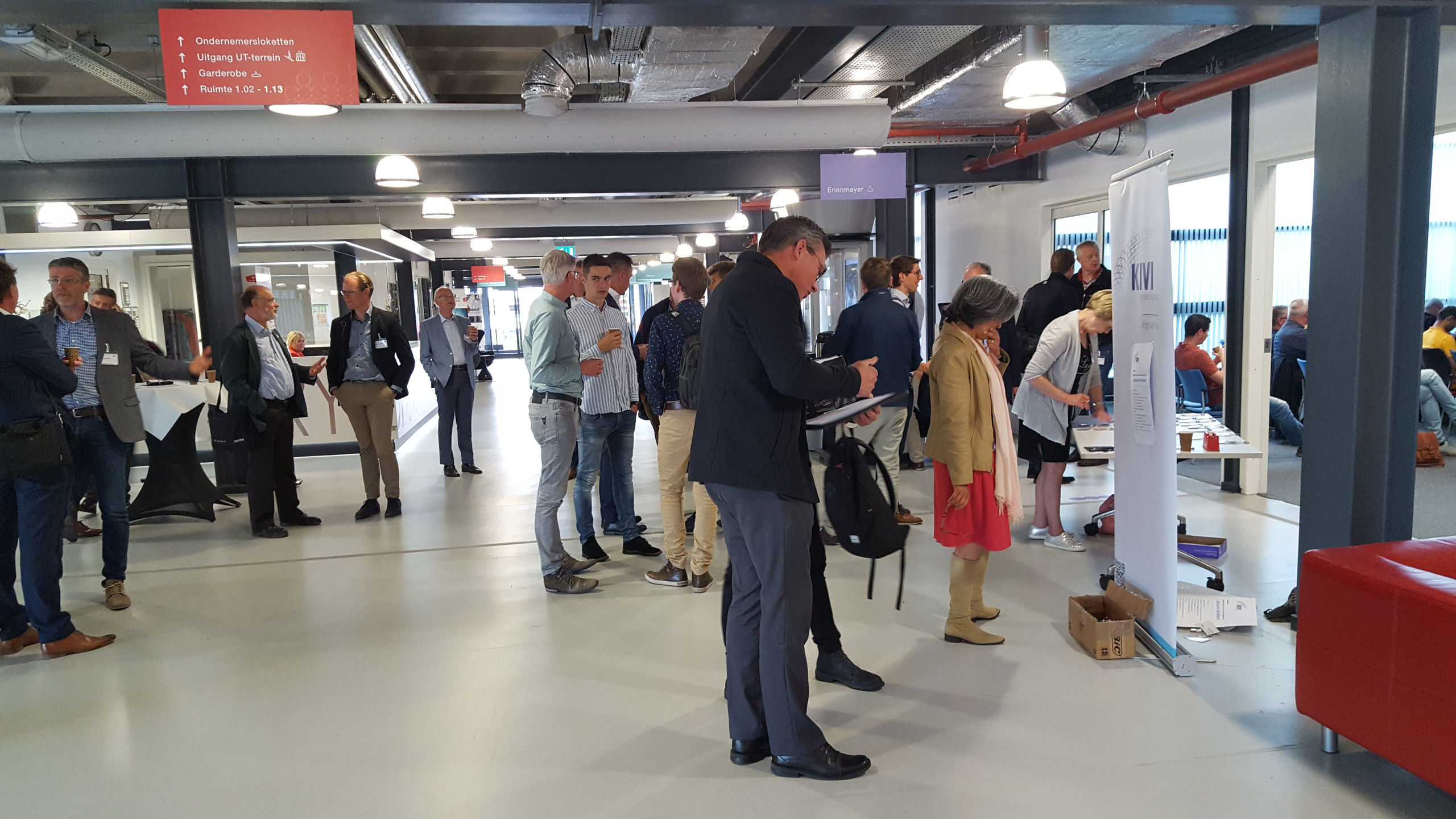
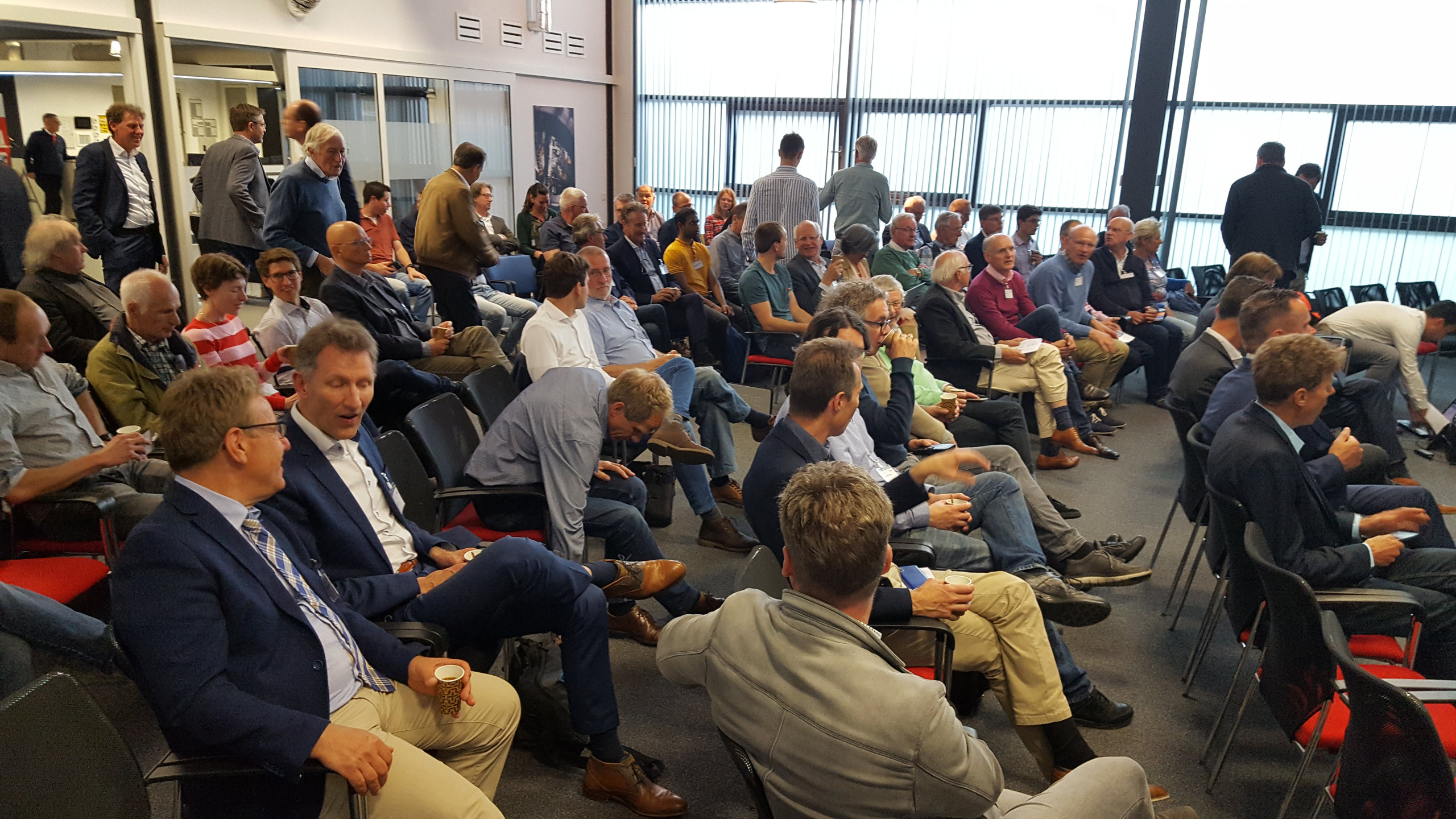
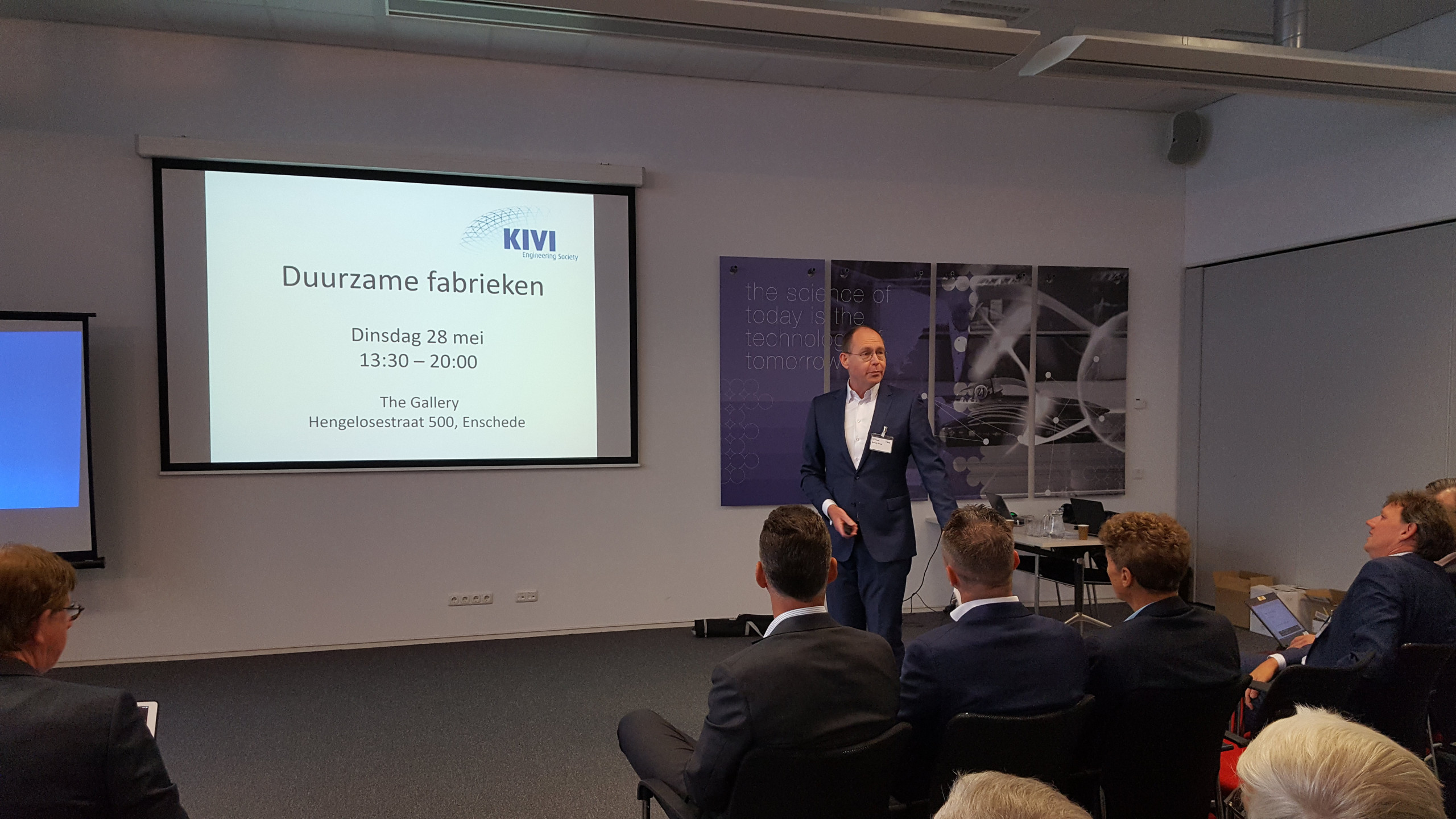

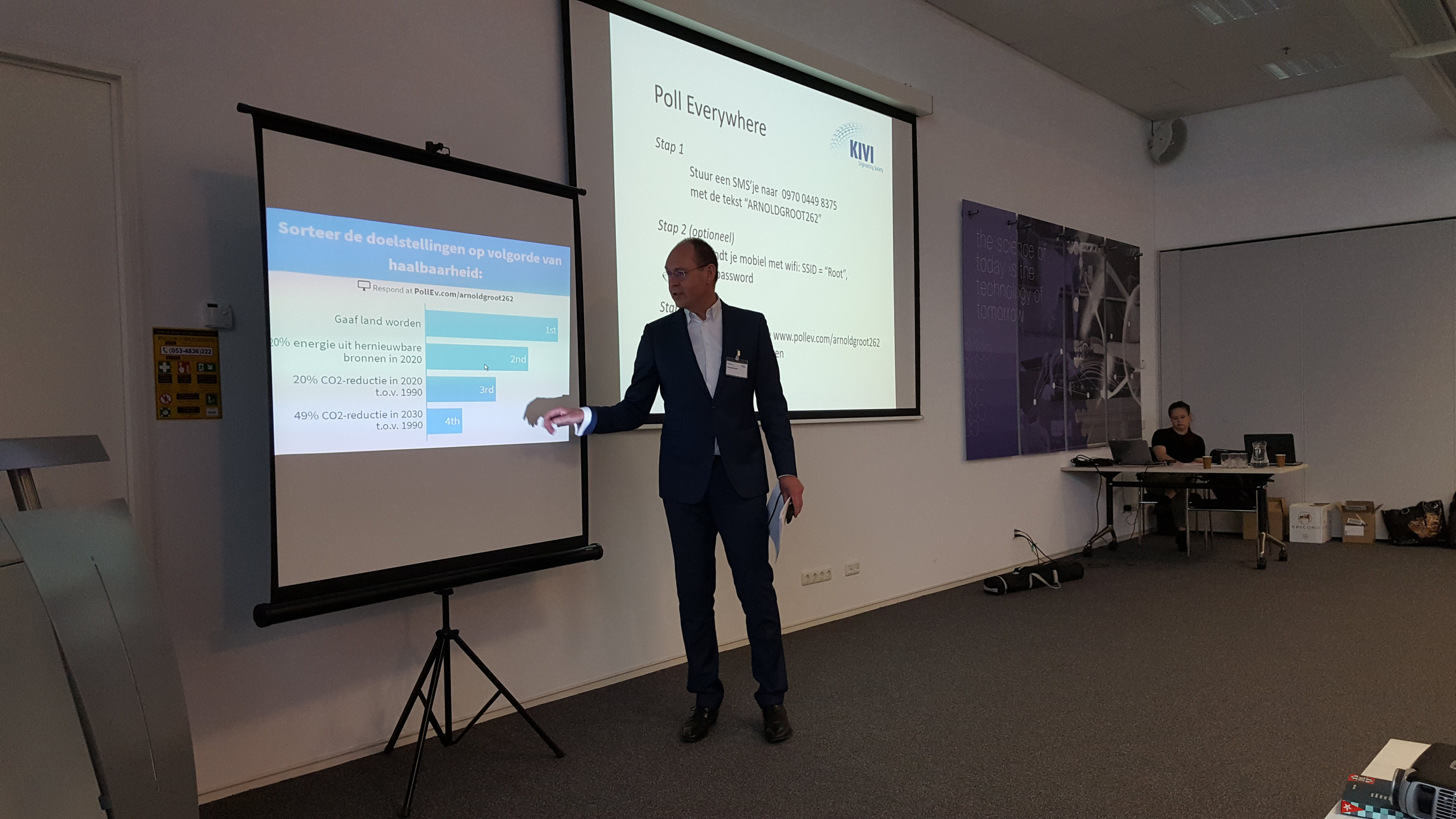

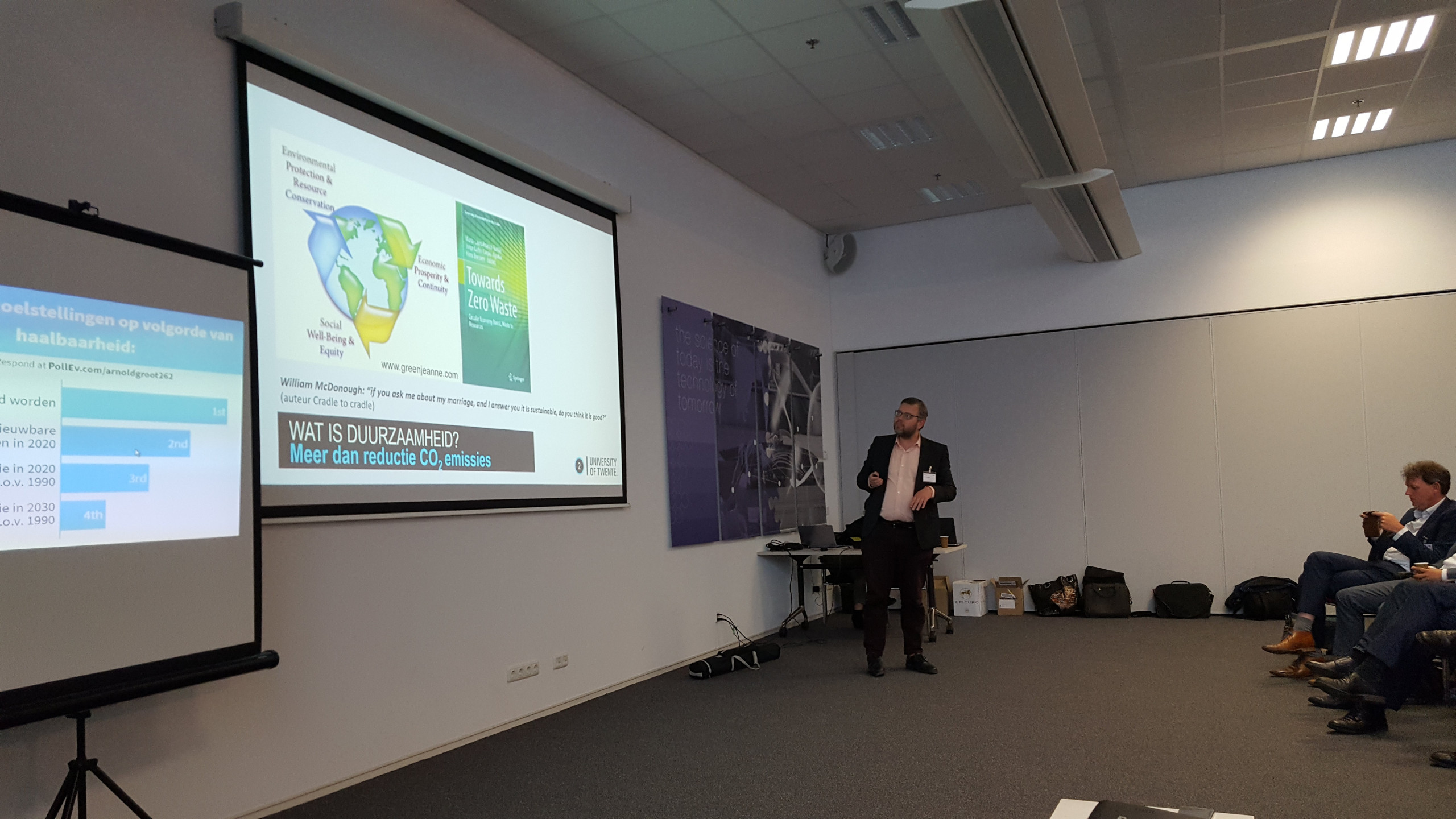
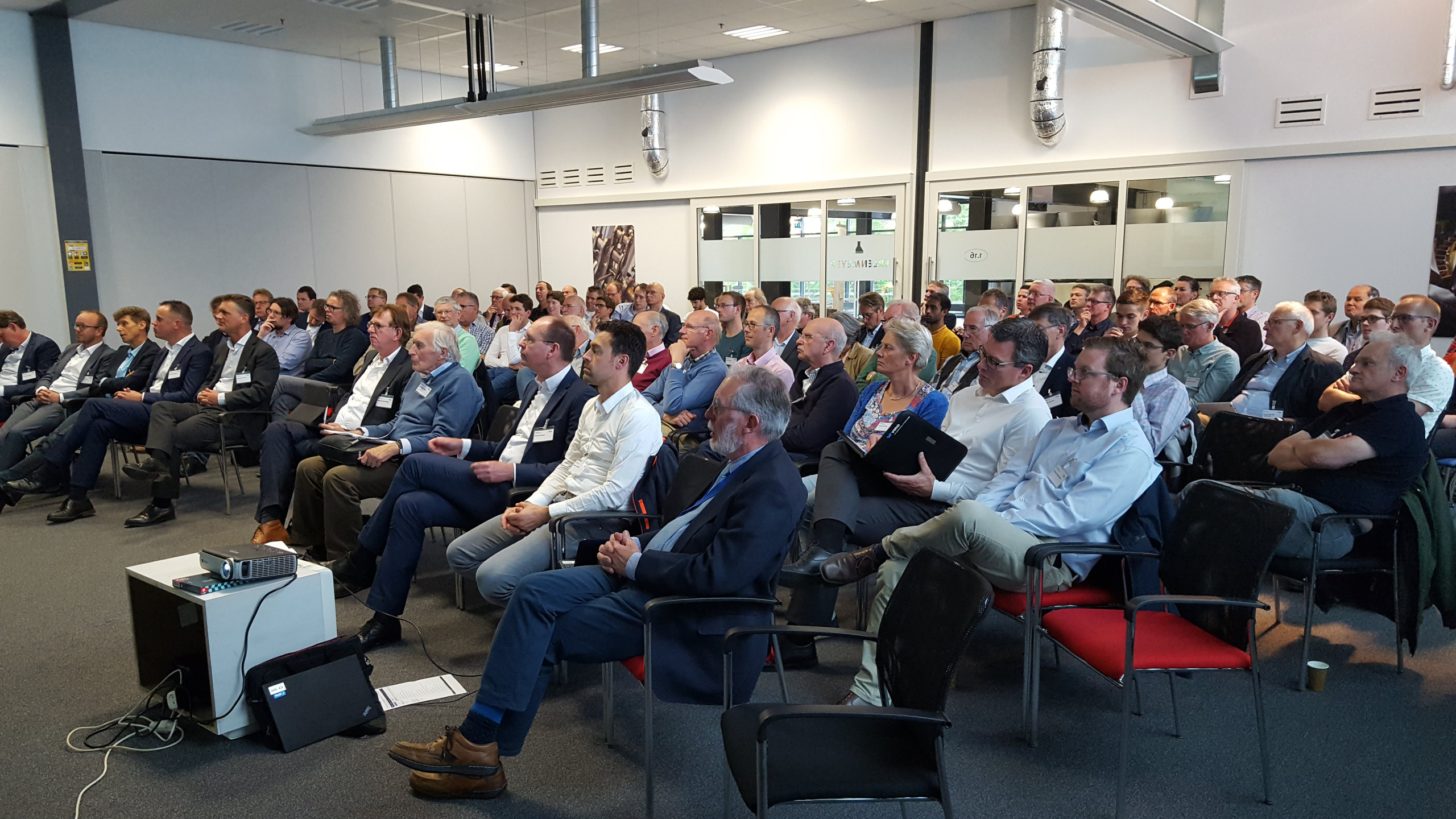
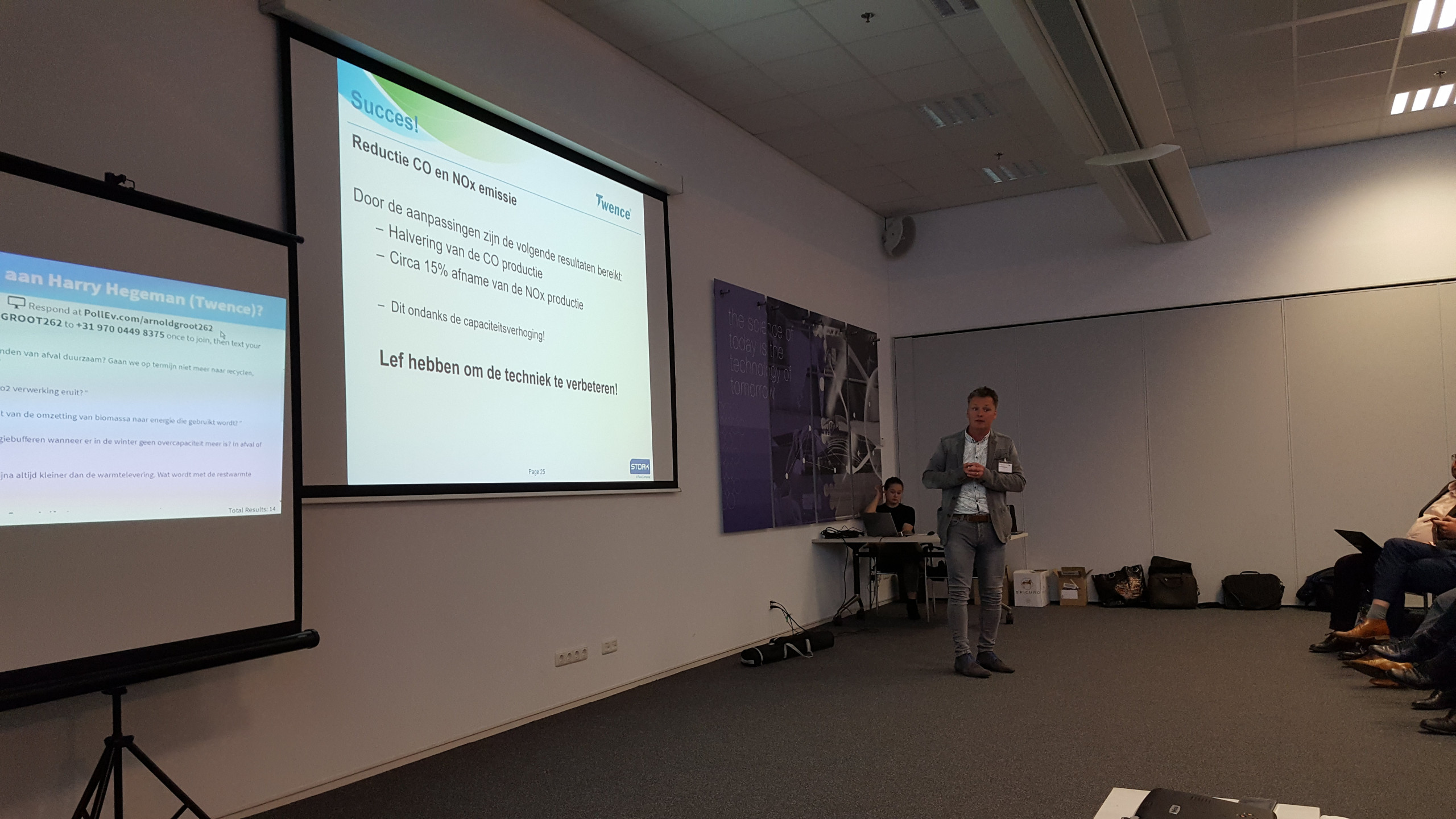


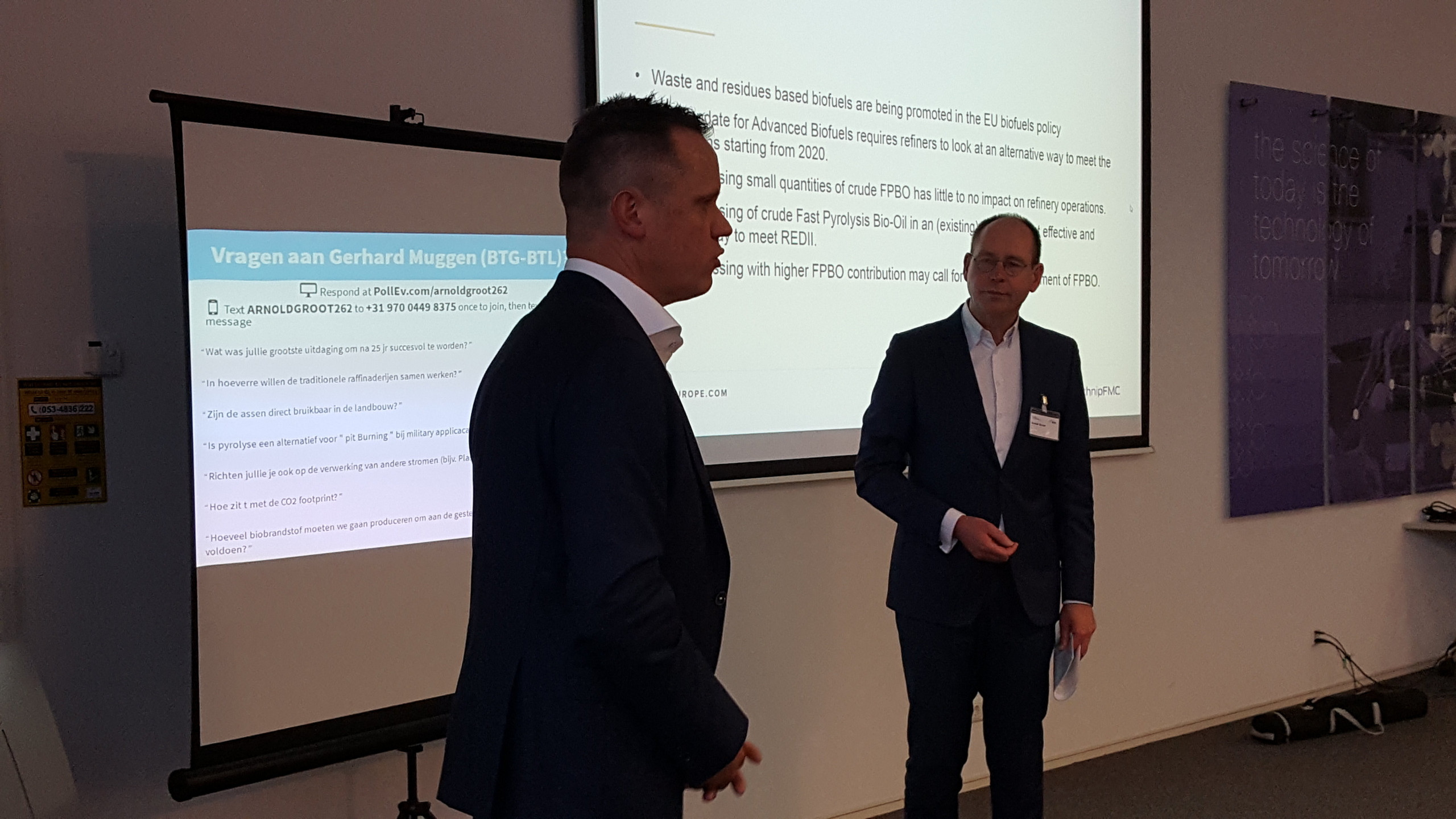





This seminar is a collaboration between KIVI Region Gelderland, Region East and the Dutch Process Technologists.
Six companies will present their activities in the field of sustainability and want to discuss with you!
Biomass processing - Energy generation - Hydrogen production - Process improvement - BioPlastics
Description of the presentations:
Twence: Producer of renewable energy. The Netherlands faces the challenge of emitting 49% lessCO2 by 2030. The realisation of heat networks as a replacement for the use of natural gas and the further greening of electricity production are two important tracks to achieve this goal. Twence is active in both areas and is the largest producer of renewable energy in Overijssel. Twence produces, heat, steam and green electricity by processing residual streams and biomass. Twence continuously optimises its existing activities and realises new innovative installations. It is currently working on the realisation of a regional heat track. Further expansion of the solar parks. CapturingCO2 and producing more green gas and green electricity. Twence's unique location and the synergy benefits of linking various activities make it a frontrunner in the energy transition. In addition, Twence recently converted its biomass power plant so that, besides electricity, it can also generate steam and heat. Curious about how Twence is further increasing the production and application possibilities of renewable energy; Project Manager Harry Hegeman explains.
BTG-BTL: Gerhard Muggen talks about Pyrolysis, the conversion of biomass into biofuel (Pyrolysis oil). The applications of this fuel and the Empyro plant. Empyro is a demonstration plant in which difficult-to-handle cellulose-containing biomass is converted into biofuel by flash pyrolysis. As a sustainable alternative, pyrolysis oil can be used to efficiently produce electricity and high-quality steam, among other things. With sufficient availability of pyrolysis oil, various applications, such as combustion in steam boilers, gas turbines, diesel engines and refining into high-grade chemicals and transport fuels, become commercially within reach.
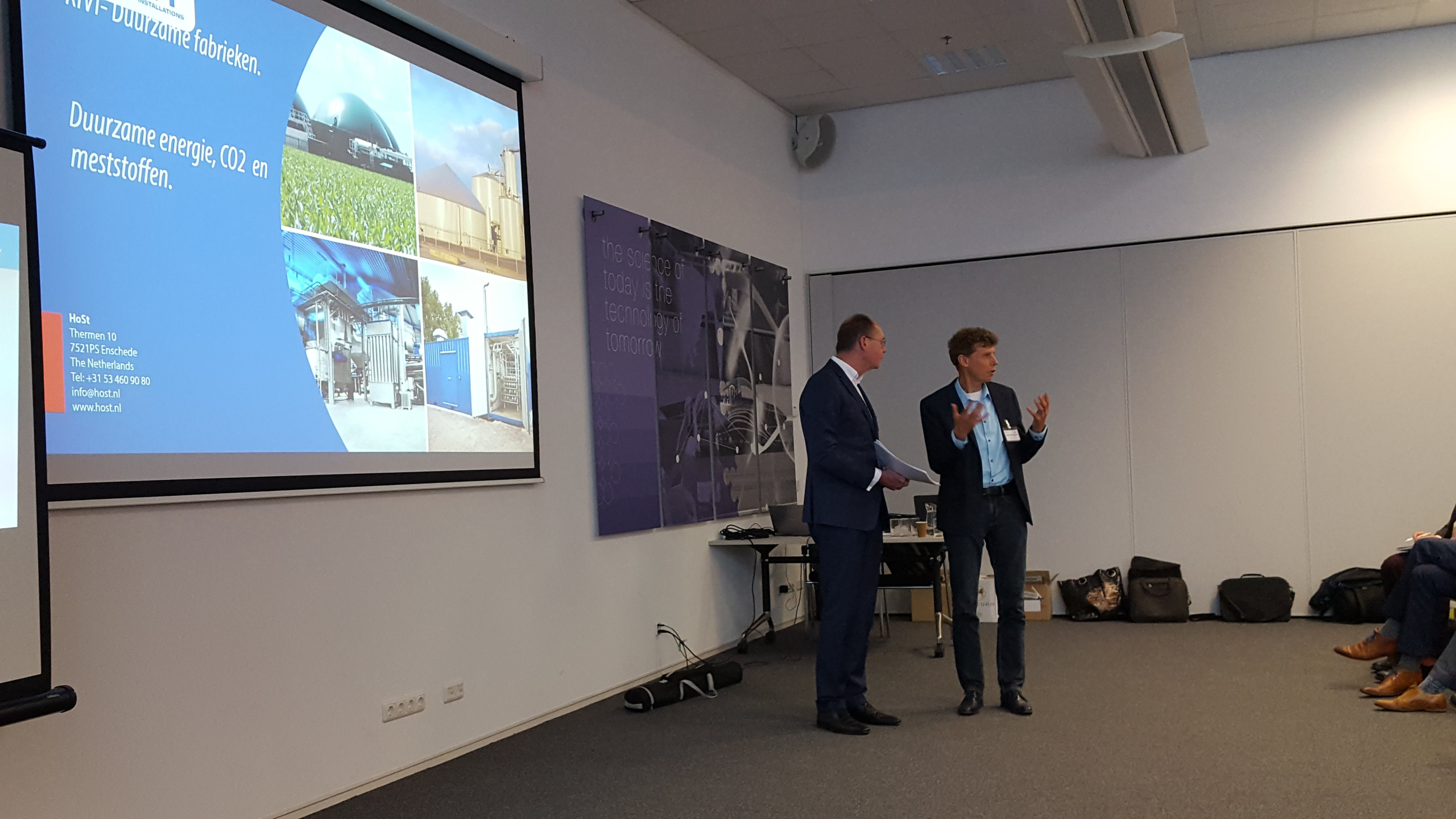
HoSt: One of the largest suppliers of bioenergy plants in Europe. Herman Klein Teeselink talks about the various biogas plants. One of these installations is the 'Bio-energiecentrale Waalwijk '. This produces around 7.5 million Nm³ of biogas annually from 60,000 tonnes of waste, mainly pit fats and industrial biological waste. Besides green gas, the plant makes liquidCO2 and compost. In addition, it plans to separate various fertiliser streams.
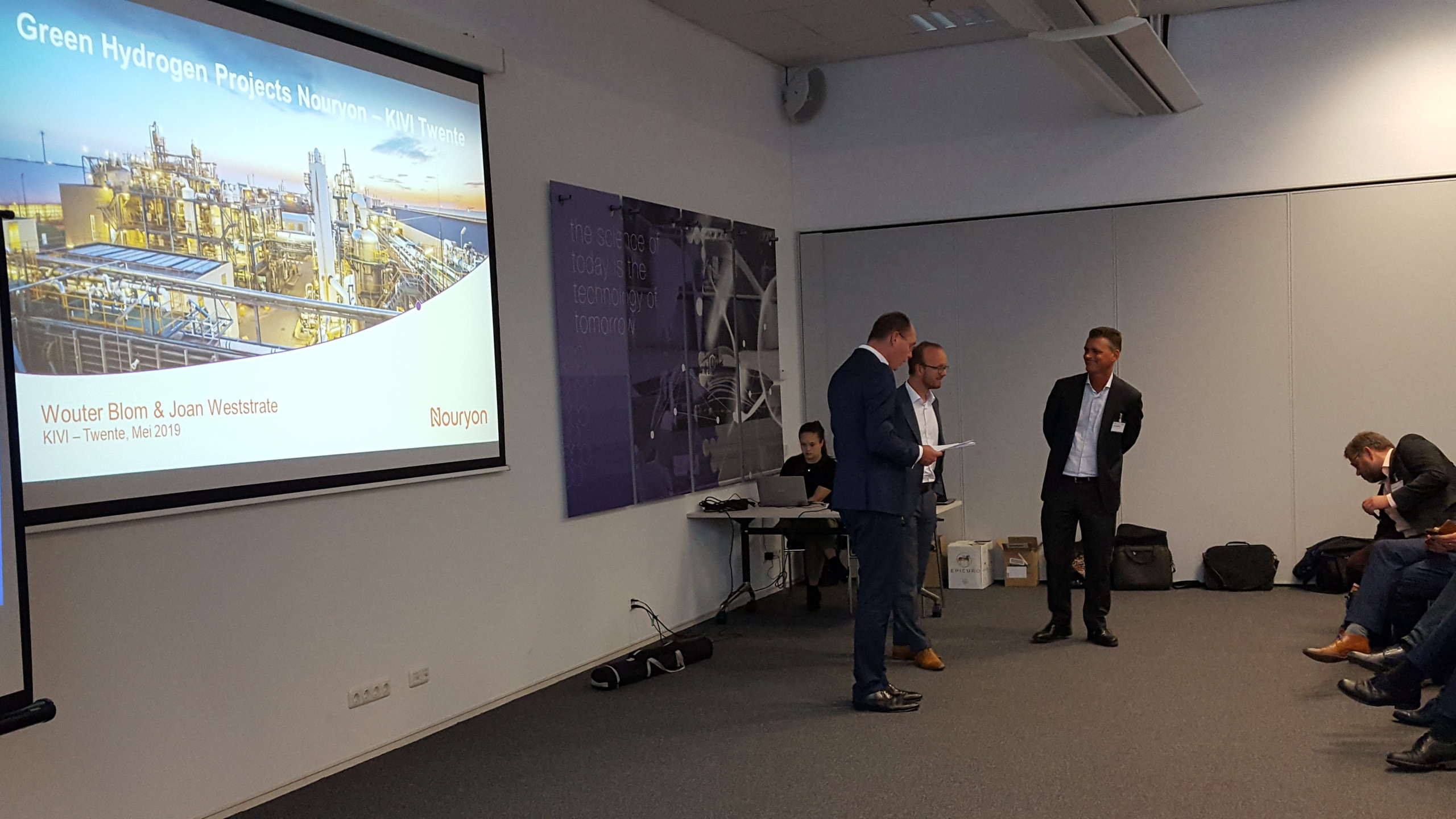
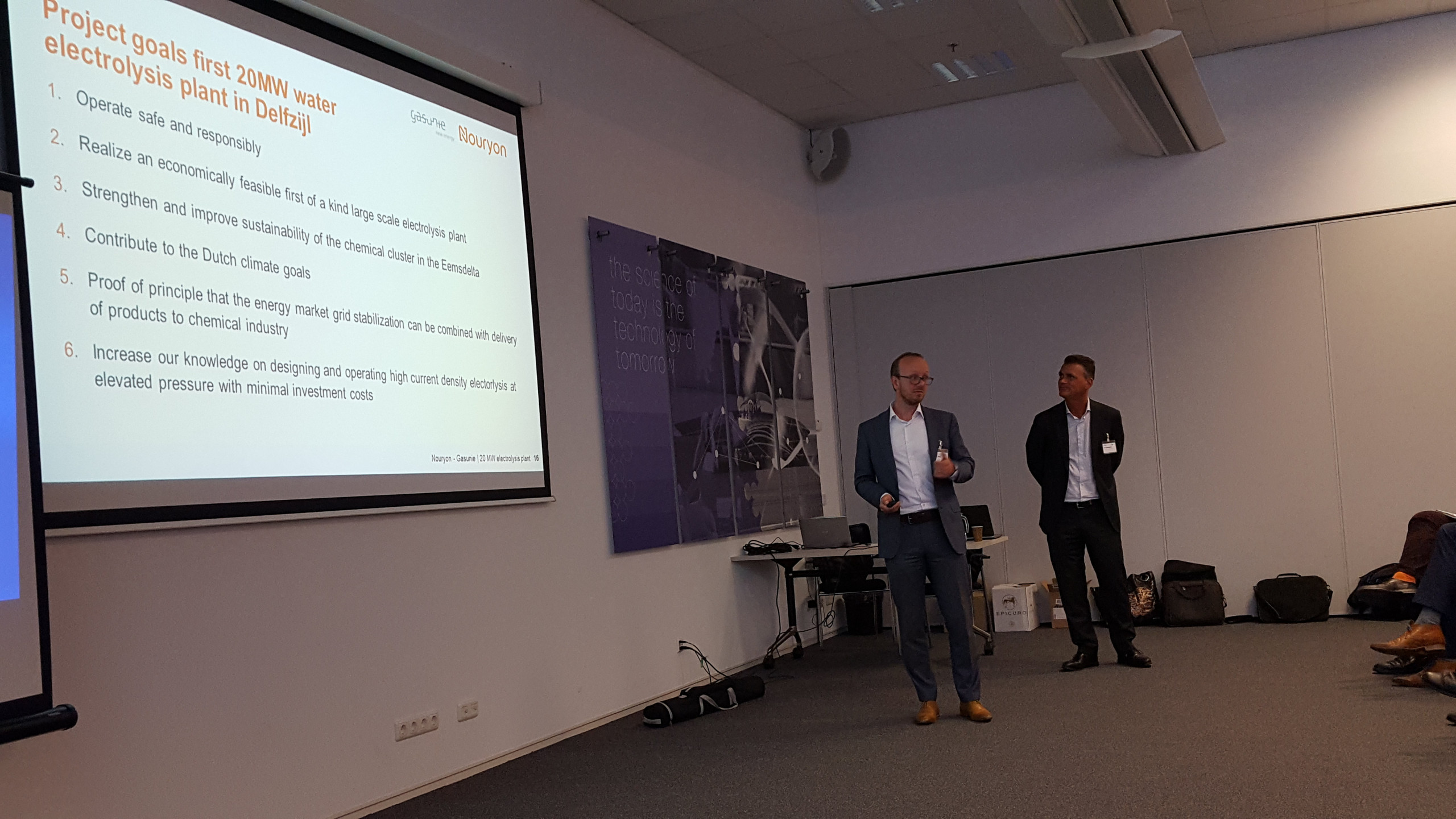
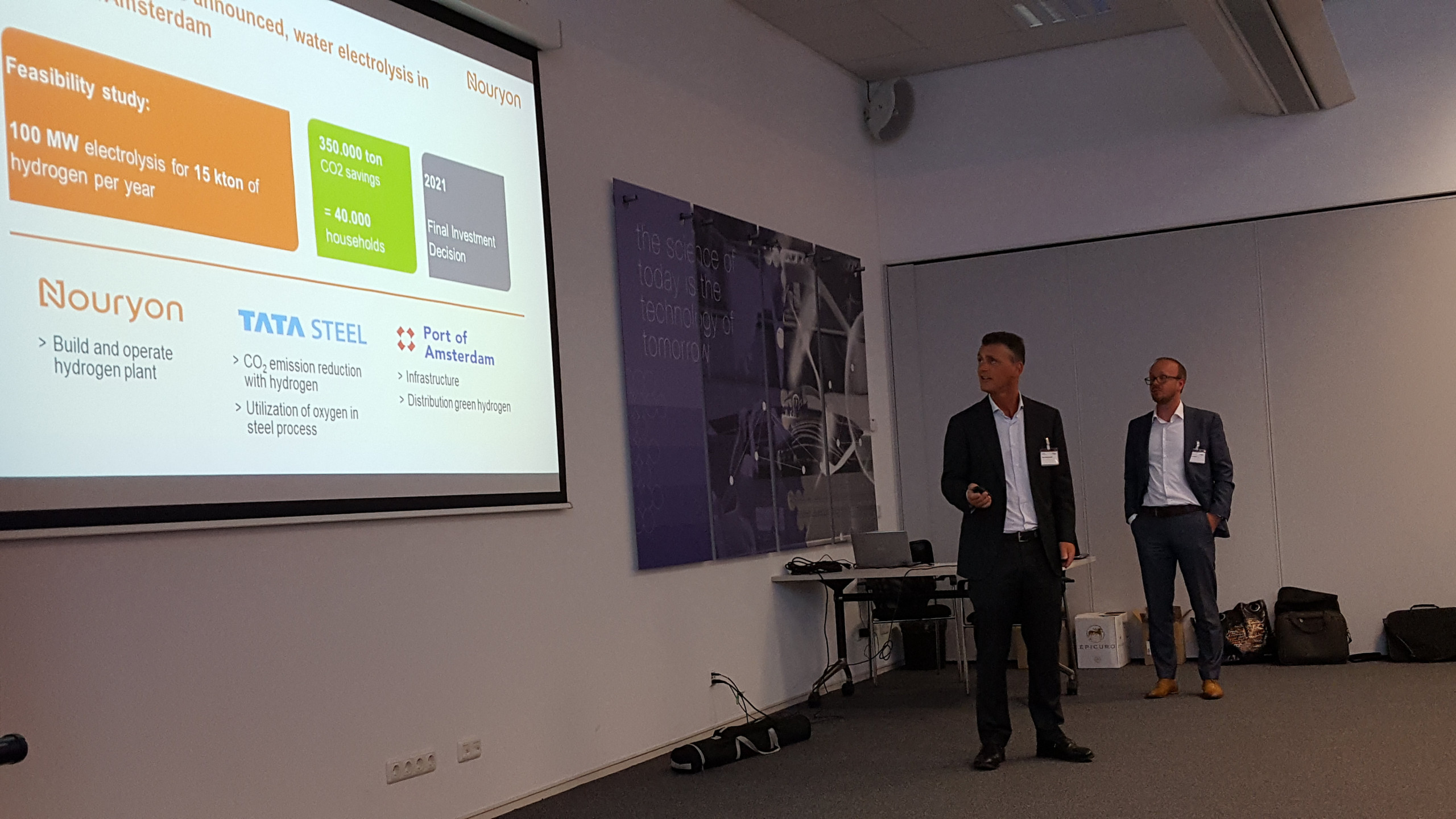
Nouryon: Sees an important role for hydrogen in the energy transition in the Netherlands and beyond. Hydrogen, when produced from water using sustainably generated electricity, is a green energy carrier that can be used in transport but also as sustainable building blocks in chemistry. Nouryon and Gasunie are investigating the possibility of producing green hydrogen at Chemie Park Delfzijl. For this purpose, they want to use sustainably generated electricity. Electrolysis is used to split water into hydrogen and oxygen. Besides producing hydrogen, the plant will also be used to stabilise the Dutch electricity grid. The green hydrogen will be supplied to BioMCN, producer of biomethanol, among others. Following plans for this first 20 MW plant in Delfzijl, Nouryon has also started a feasibility study together with Tata Steel and Port of Amsterdam for a 100 MW water electrolysis plant in IJmuiden. With green hydrogen, Tata Steel can drastically reduce its emissions in steel production.
We are happy to share our vision and technical challenges in scaling up this technology. Is PEM or Alkaline technology the future? How do you minimise the cost of this technology towards the future? How do you scale up this technology with what module size? An introduction of our vision and our projects followed by a discussion on the technical challenges.
Bio-plastic: Christiaan Bolck from WUR explains how sustainable plastics are made and which raw materials are used. He also explains how they are processed and discusses different applications.
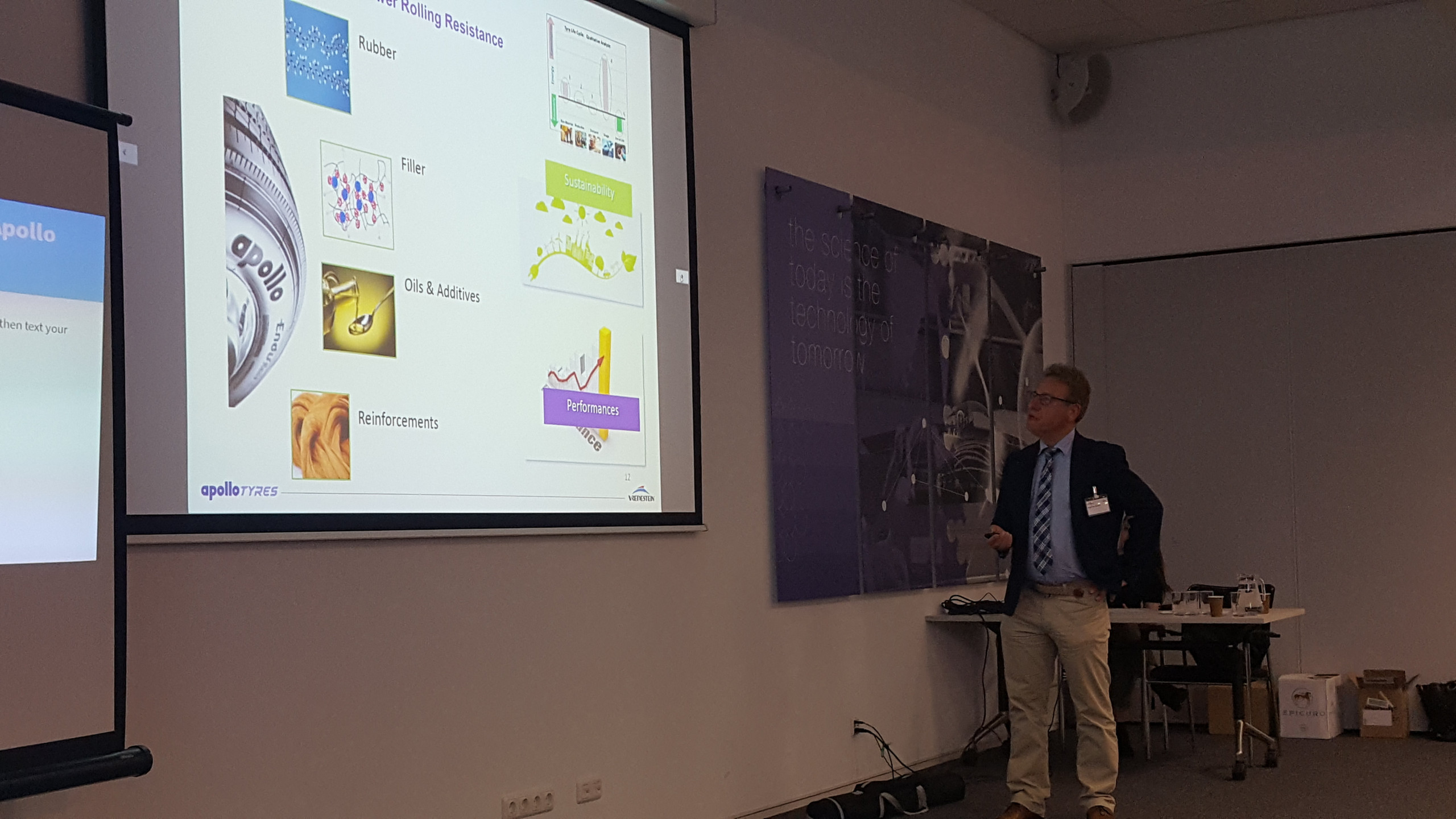
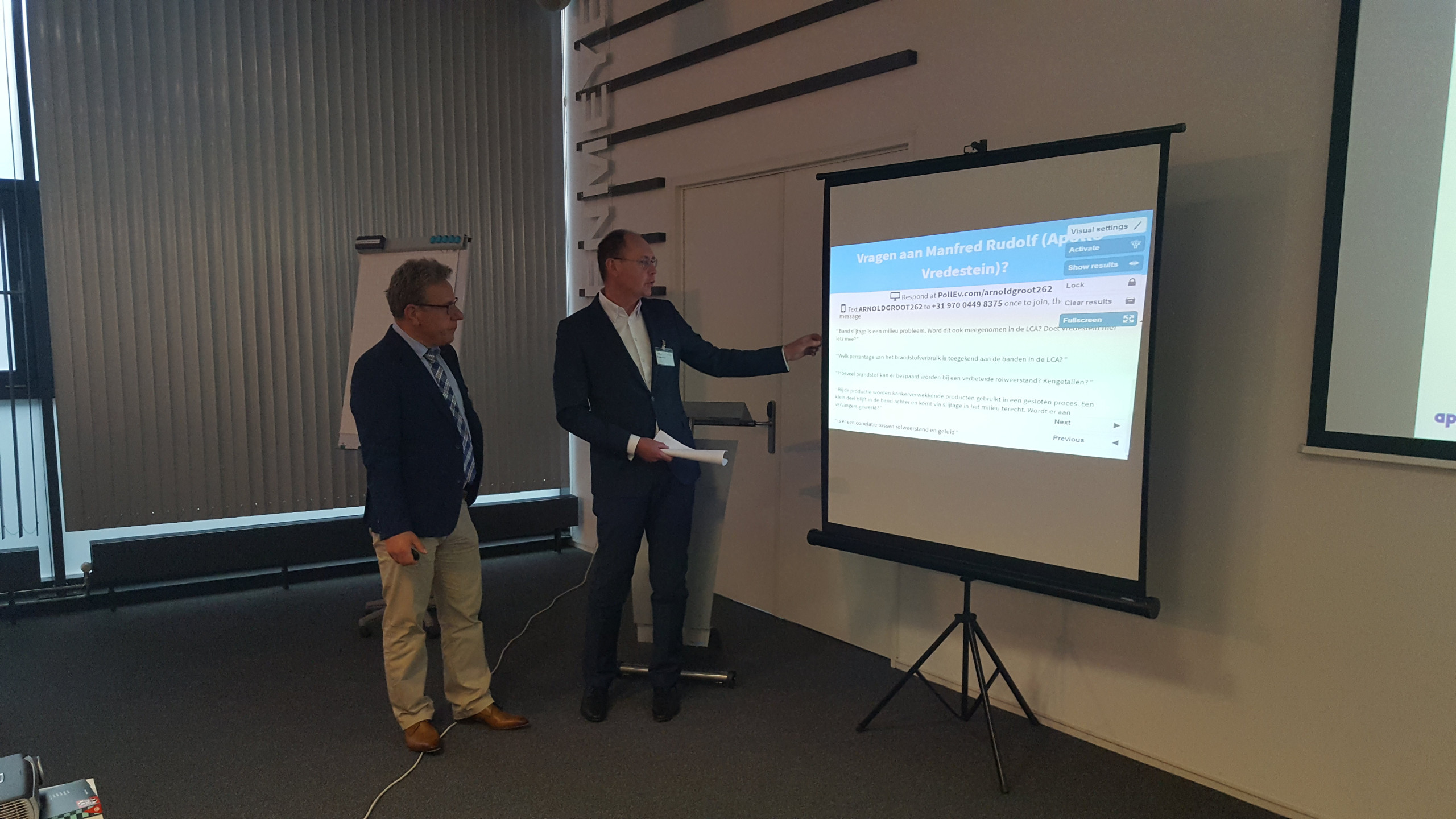
Apollo Vredestein: Manfred Rudolf talks about the Life Cycle Assessment of a tyre. What Apollo Vredestein is doing about chain savings and zooms in on savings in tyre production.
Programme:
13:30 Reception with coffee/tea
14:00 Opening by chairman Arnold Groot, KIVI Region Gelderland
14:05 Introduction by Boelo Schuur, University of Twente
14:15 Presentation by Harry Hegeman, Twence
14:45 Presentation by Gerhard Muggen, BTG-BTL
15:15 Presentation by Herman Klein Teeselink, HoSt
15:45 PAUSE
16:15 Presentation by Wouter Blom and Joan Weststrate, Nouryon
16:45 Presentation by Christiaan Bolck, WUR
17:15 Presentation by Manfred Rudolf, Apollo Vredestein
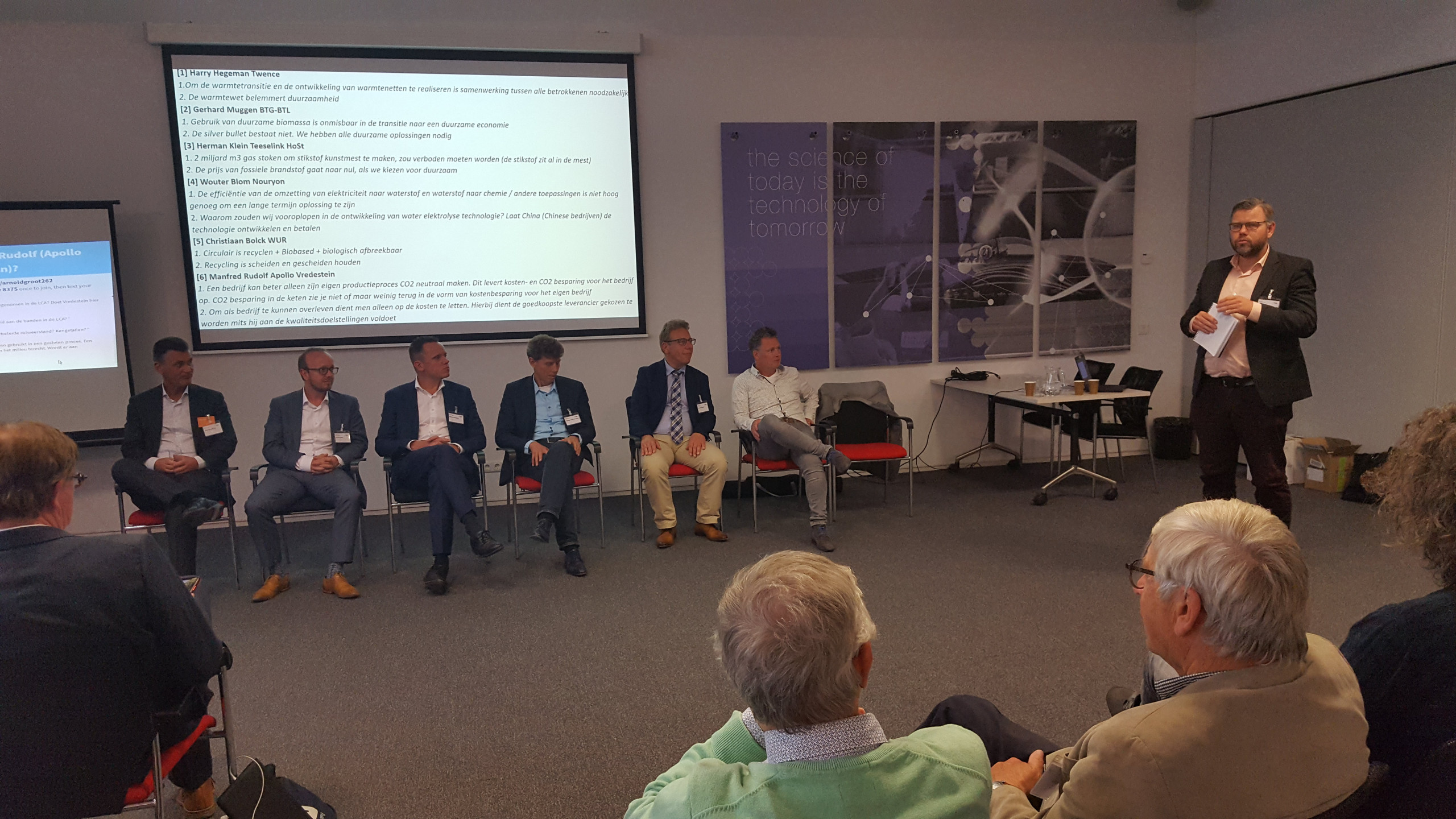
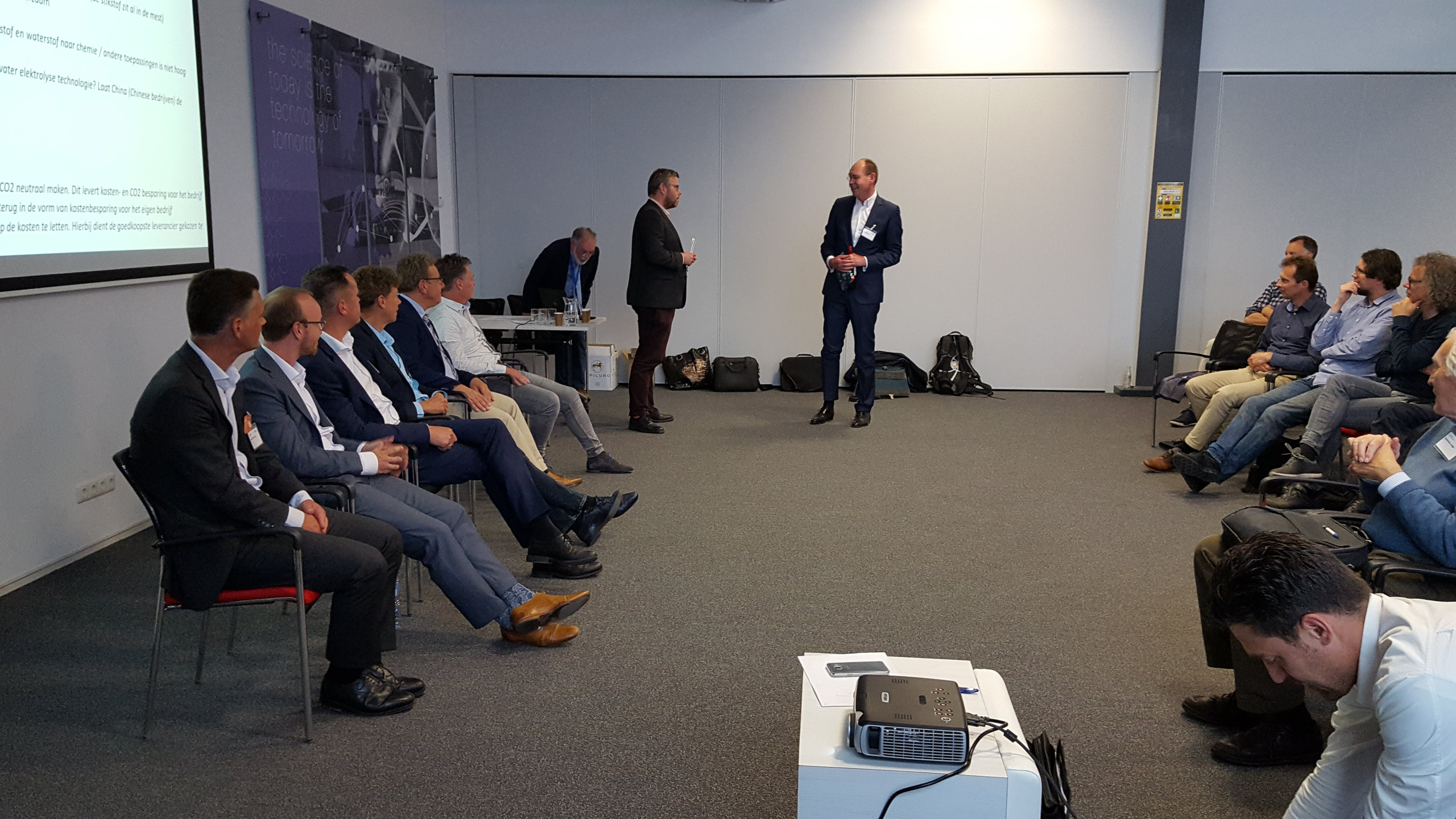
17:45 Discussion on the basis of questions
18:30 Final conclusion by Boelo Schuur
18:45 Closure of seminar and after-dinner drinks and a sandwich
Register via the KIVI website. Participation costs €25.00 for KIVI members and employees of the University of Twente, others pay €40.00. Admission for students is free provided they have registered in advance.