KIVI Engineering Student Team Award 2024

Incentive prize for student teams
The KIVI Engineering Student Team Award is an incentive prize for student teams. The award was created by KIVI to boost tomorrow's engineers, showcase what students are capable of as a team and provide greater exposure for their innovative projects
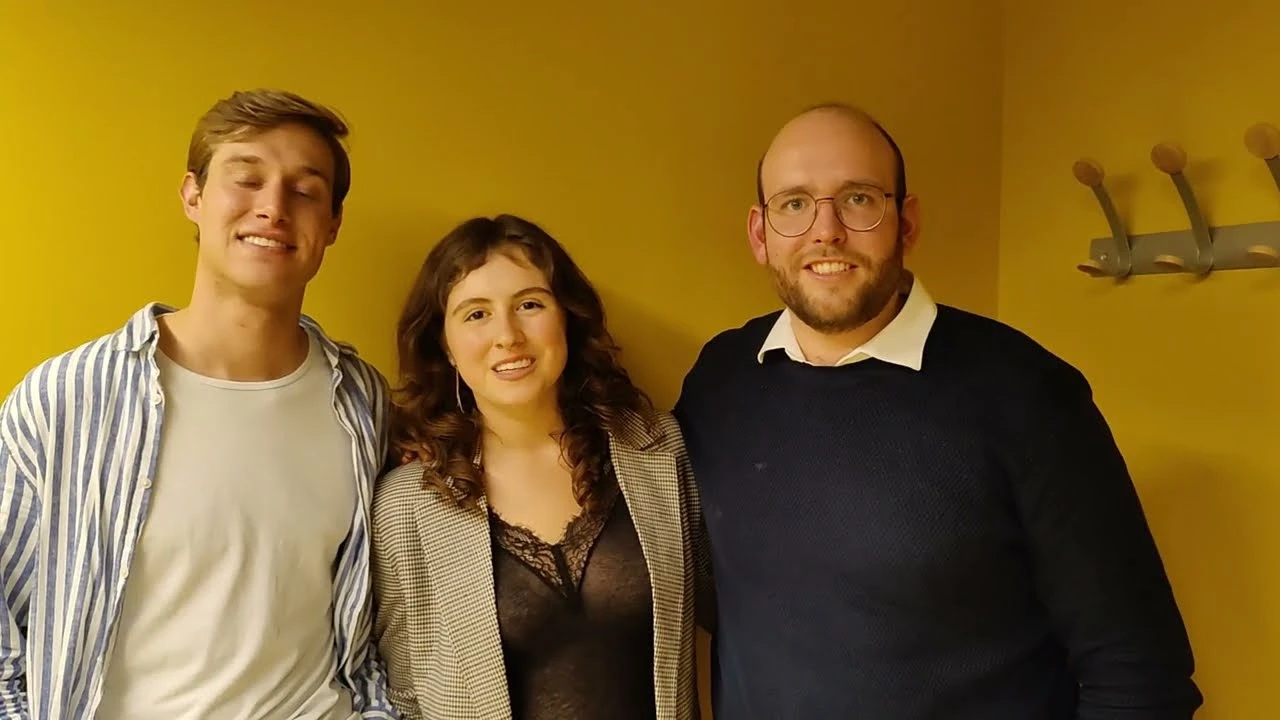
Team Solid wins KIVI Engineering Student Team Award 2024
Team SOLID from Eindhoven University of Technology is the winner of the KIVI Engineering Student Team Award 2024. The team was presented with the prize on Wednesday 13 March during the presentation of the Prins Friso Ingenieursprijs in the presence of Princess Beatrix and Princess Mabel at The Hague University of Applied Sciences. The Audience Award went to Team SublimeStone from Maastricht University, while third finalist was Team Afterlife from Wageningen University. The winners were chosen by an expert professional jury after a thorough assessment of the entries.
Read more in this news item
Finalists 2024
Team Solid - Eindhoven University of Technology (TU/e)
Number of members: 23
Active since: 2016
There is still no simple solution for storing and transporting hydrogen. Team SOLID found the key in iron balls. Using their own test rig, the Steam Iron Reactor One, the students have now tested the principle. The energy of hydrogen is stored via a reaction with iron oxide, creating iron and water. In the process, the iron acts as a storage medium that can be easily transported. If the iron is then brought into contact with steam, hydrogen and iron oxide remain. This creates a cycle in which iron acts as a 'water dust battery', storing not the hydrogen but the iron.
Check out Solid's website
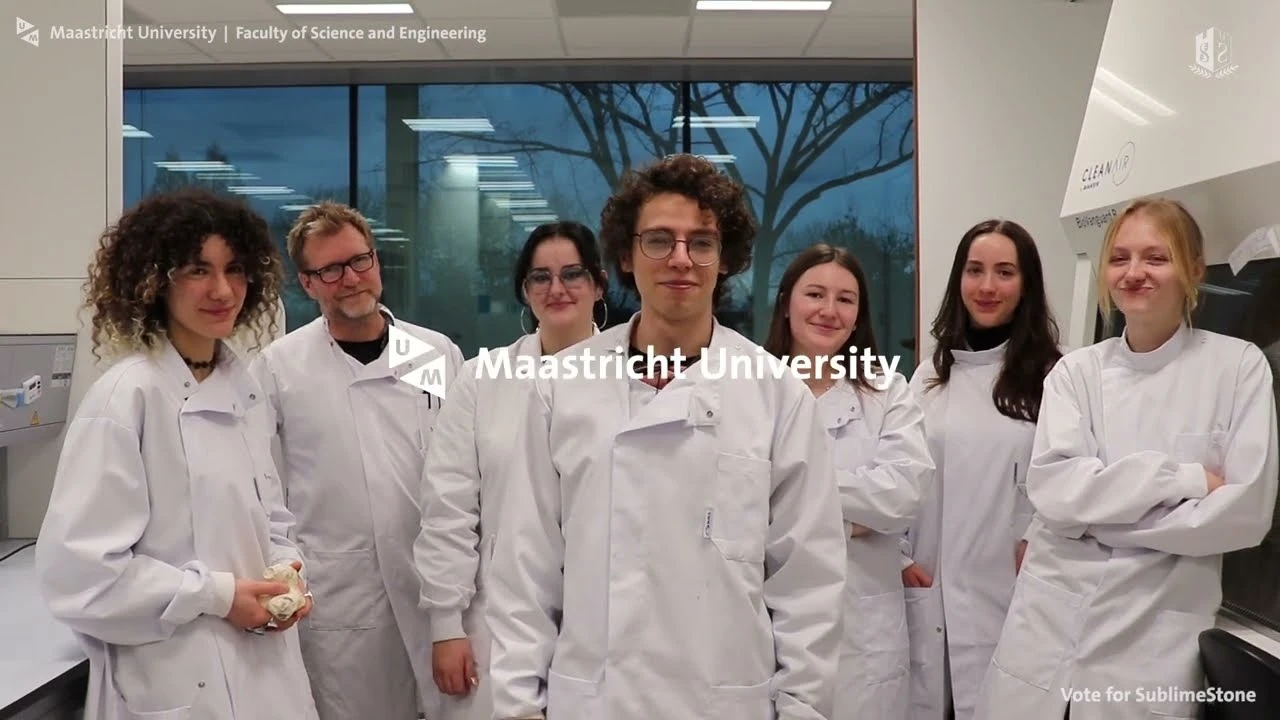
Team SublimeStone - Maastricht University
Number of members: 14
Active since: 2023
What do the pyramid of Giza, the Parthenon in Athens and the ramparts of Maastricht have in common? The building material: like many monumental structures, they are made of limestone. Downside: they suffer badly from the effects of climate change. Known repair methods are costly, unsustainable and also leave their mark. Team SublimeStone developed an alternative in which two bacteria play the main role: one produces the mineral calcite and the second a DNA strand. Via DNA-origami, the calcite can be shaped as desired - and utilised to repair cracked limestone.
Visit the website of SublimeStone
Team Afterlife - Wageningen UR
Number of members: 6
Active since: 2022
The world faces an urgent challenge. Demand for food, especially proteins, is growing rapidly, but the environmental impact of production methods needs to be significantly reduced. Animal protein production is resource-intensive, inefficient and unsustainable; while plant-based alternatives are better from a sustainability point of view, space and water consumption remain enormous. With fungal fermentation, team Afterlife is therefore developing mycoproteins. The magic takes place in a bioreactor, reducing land and water requirements. All in pursuit of a better future.
Check out the website of Afterlife