

E-Lunch session: Embedding renewable energy on business parks, the solution to grid congestion?
E-Lunch session:
In light of national, regional and local climate targets and topical the situation in Ukraine, the demand for renewable energy is increasing. How do we ensure that the desired energy is always there? Energy hubs unlock the potential of different forms of renewable energy, linking producers directly to customers.
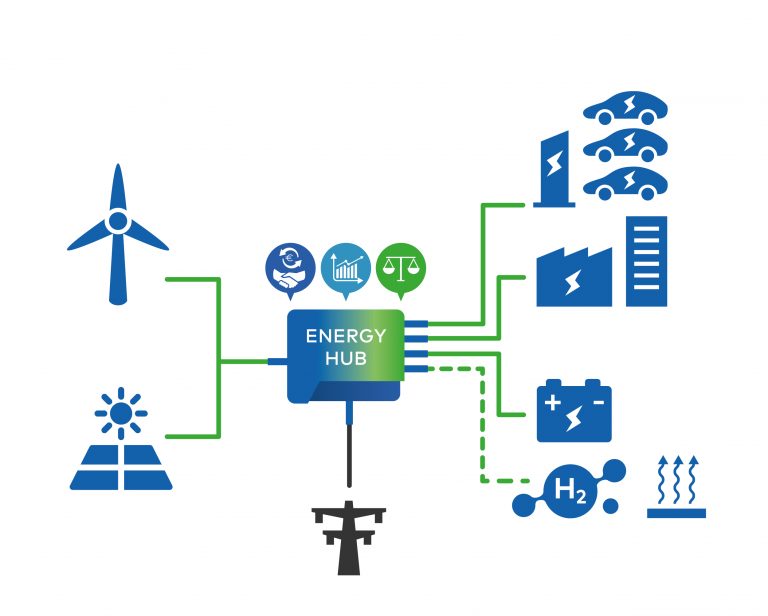
A smart decentralised energy infrastructure brings together producers of solar and wind energy, hydrogen and heat, creating a reliable supply. A direct link between generation and consumption guarantees an efficient system. The recording of the webinar can be viewed here.
Energy hubs
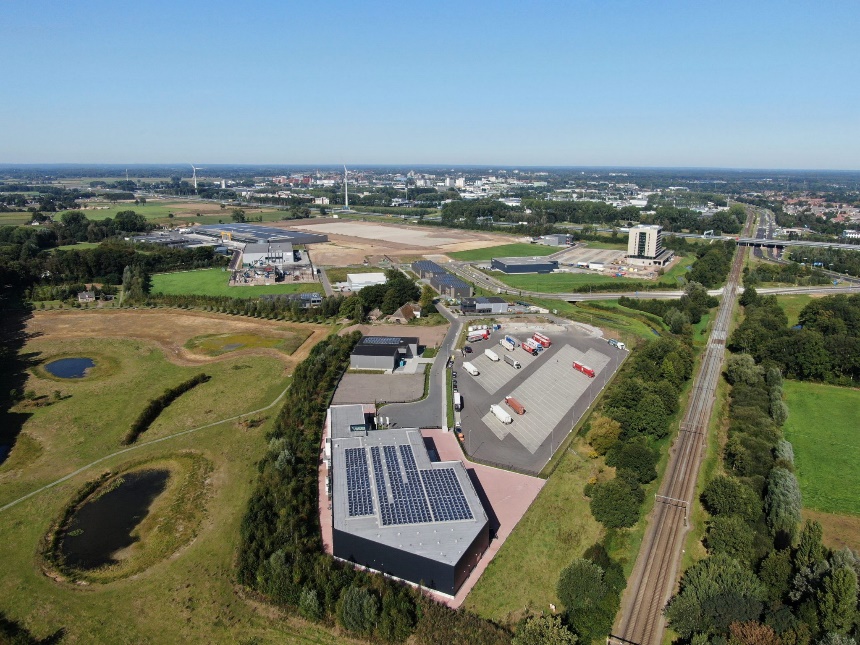
Energy hubs proved to be ideally suited in places with complex energy demand, such as business parks, industrial areas, petrol stations, service stations and locations with a need for charging infrastructures.
The approach was also found to also meet the growing demand for self-sufficient energy systems and sustainable business parks, resulting from increasing overloading of the regulated power grid.
Through continuous monitoring of actual energy flows - coupled with flexible storage and conversion systems - supply and demand can always be optimally matched. Decentralised grid connection will thereby ensure greater efficiency and less grid congestion.
Why are energy hubs so important now?
The Climate Agreement, Regional Energy Strategies and local climate targets mean that there is increasing demand for locally generated renewable energy. Large-scale renewable energy projects, such as developing solar and wind farms and designing parking sites with electric charging stations, face complex issues.
How can we strike the right balance between the production, storage and consumption of green power? How do we ensure a reliable electricity supply despite fluctuations in wind and solar power availability? How do we harness the full potential of various sources, without putting further pressure on the existing power grid?
Energy hubs enable developers, owners and operators of solar and wind projects to make optimal use of generation capacity independent of the central power grid. Thereby, it is possible to establish direct links with other producers of renewable energy as well as with large business consumers.
An unadulterated win-win: the producers of solar and wind energy are guaranteed sufficient consumption, and the consumers make use of local sustainable electricity. The approach thus gives an impulse to sustainable, reliable and affordable solutions for the energy transition.
Energy hubs for the energy system of the future
Energy hubs enhance the successful development, realisation and operation of solar and wind farms and other renewable energy projects. Decentralised energy infrastructures are an important part of current solutions to grid congestion
Speaker:

Pascal Jonkman, Business Developer at Firan B.V. ( Firan is part of the Alliander group)
In this lunch webinar, Pascal Jonkman explained the roadmap for energy hubs, which mapped sustainable initiatives on and around a business park and created insights into the potential of smart decentralised grids.
Next, Jonkman provided insights into the mapping what the energy demand and sustainable ambitions of the participating companies are and estimated the needs of future settling. This created a basis for jointly looking at who wants to take ownership to collaborate on an energy hub.
Links:
The link to recording of the webinar 16-03-2022