

EnergyNL2050-2 Exploration Energy Demand
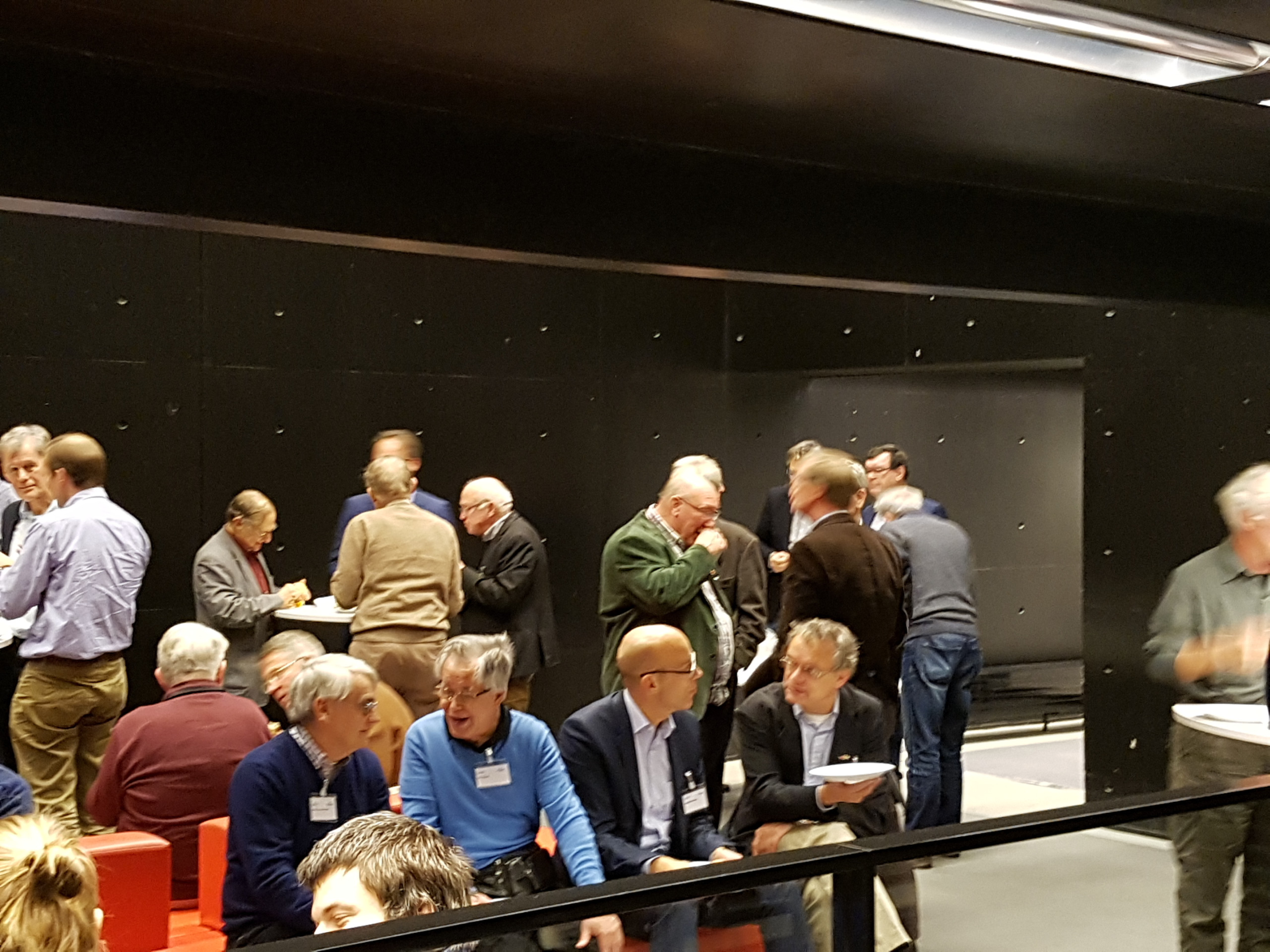
By Professor Kornelis Blok (Ecofys), also chairman of the day) in the introduction, the theme "Transition to a sustainable industry sector" was indicated, which is essential for the transition to renewable energy and materials. He pointed out the importance and absolute necessity for reducing CO2 emissions by taking it to zero by 2050 or earlier, as shown in the graph "Empire without CO2" Council for the Environment, 2015 .
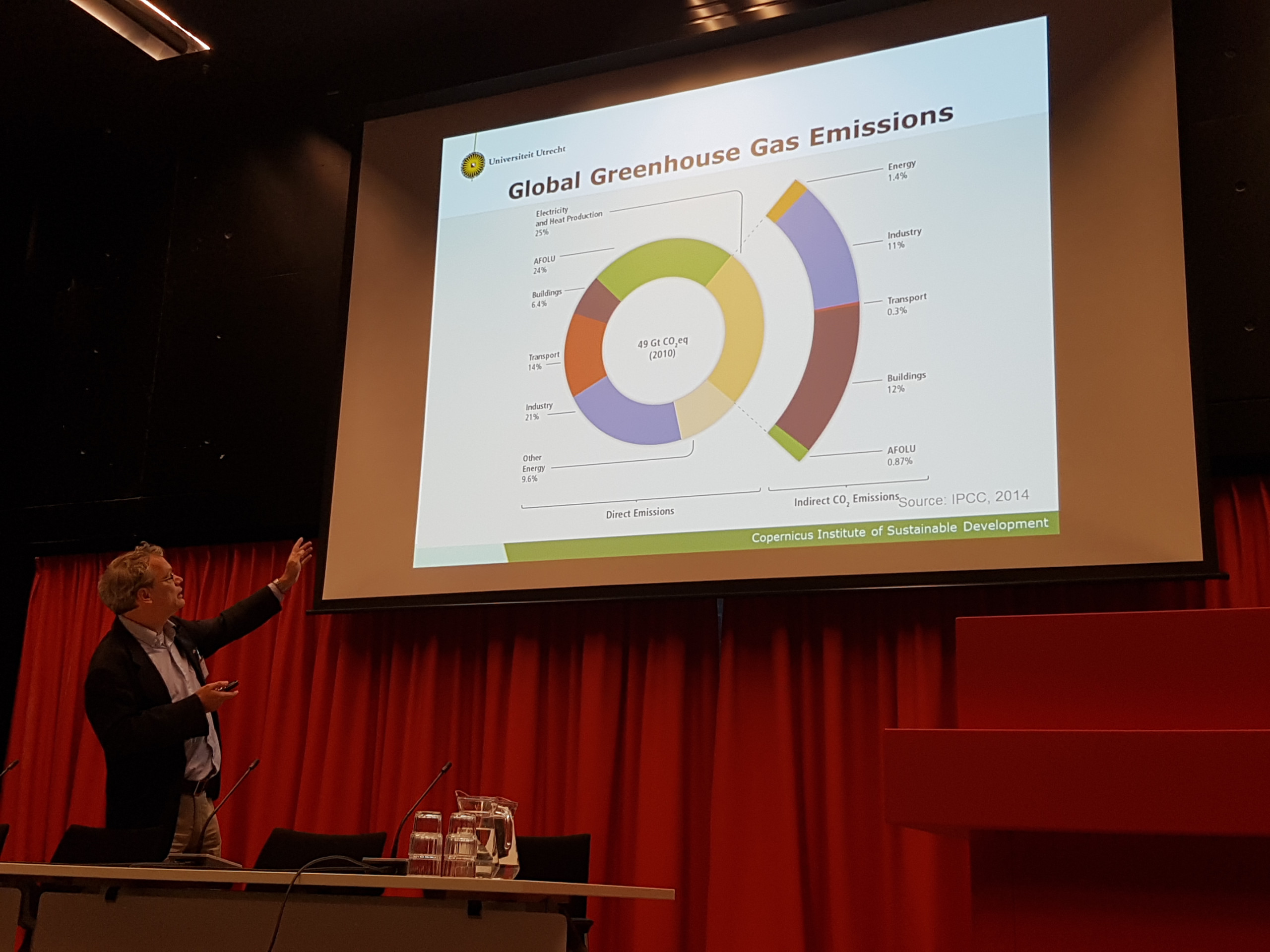
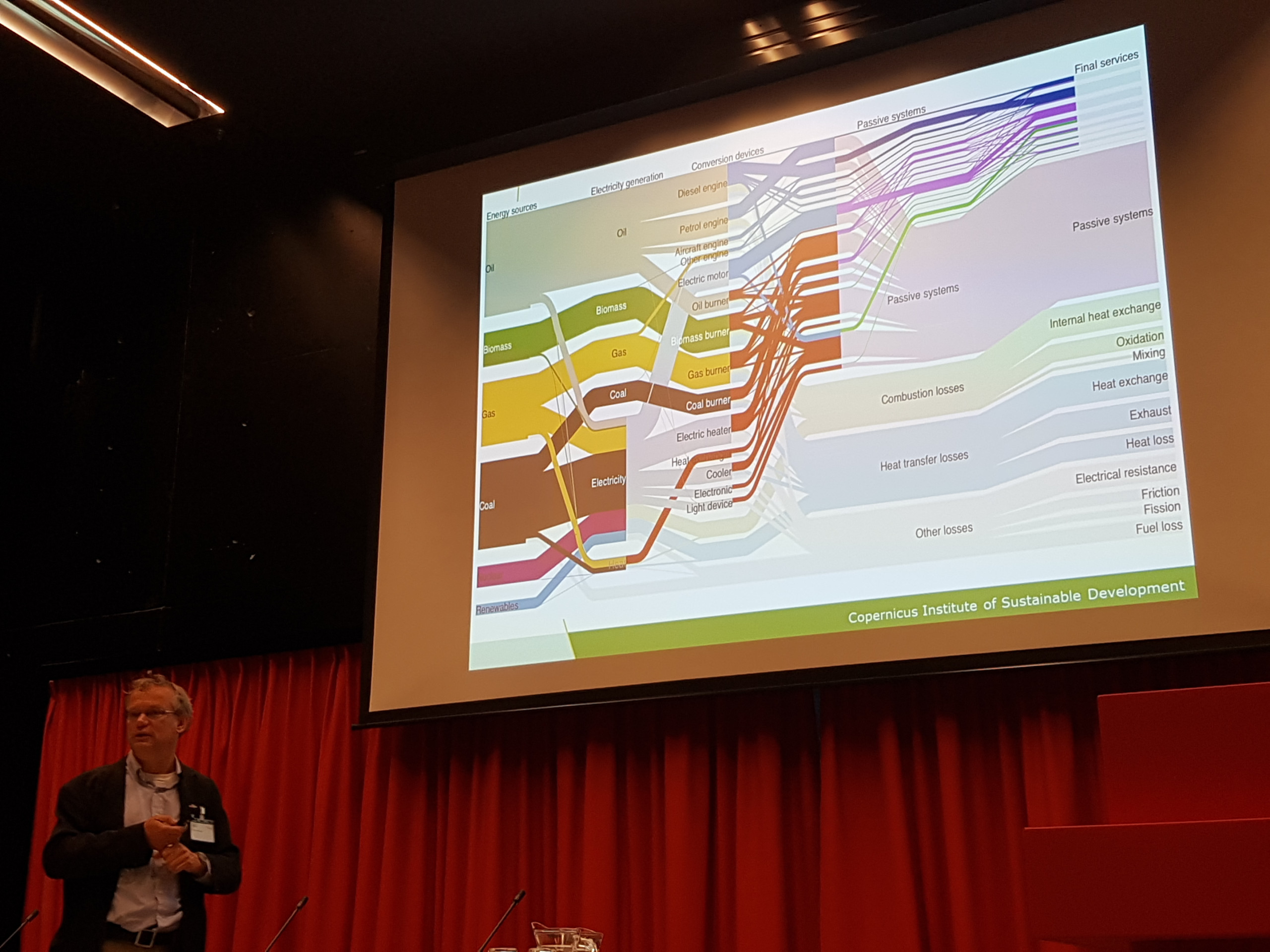
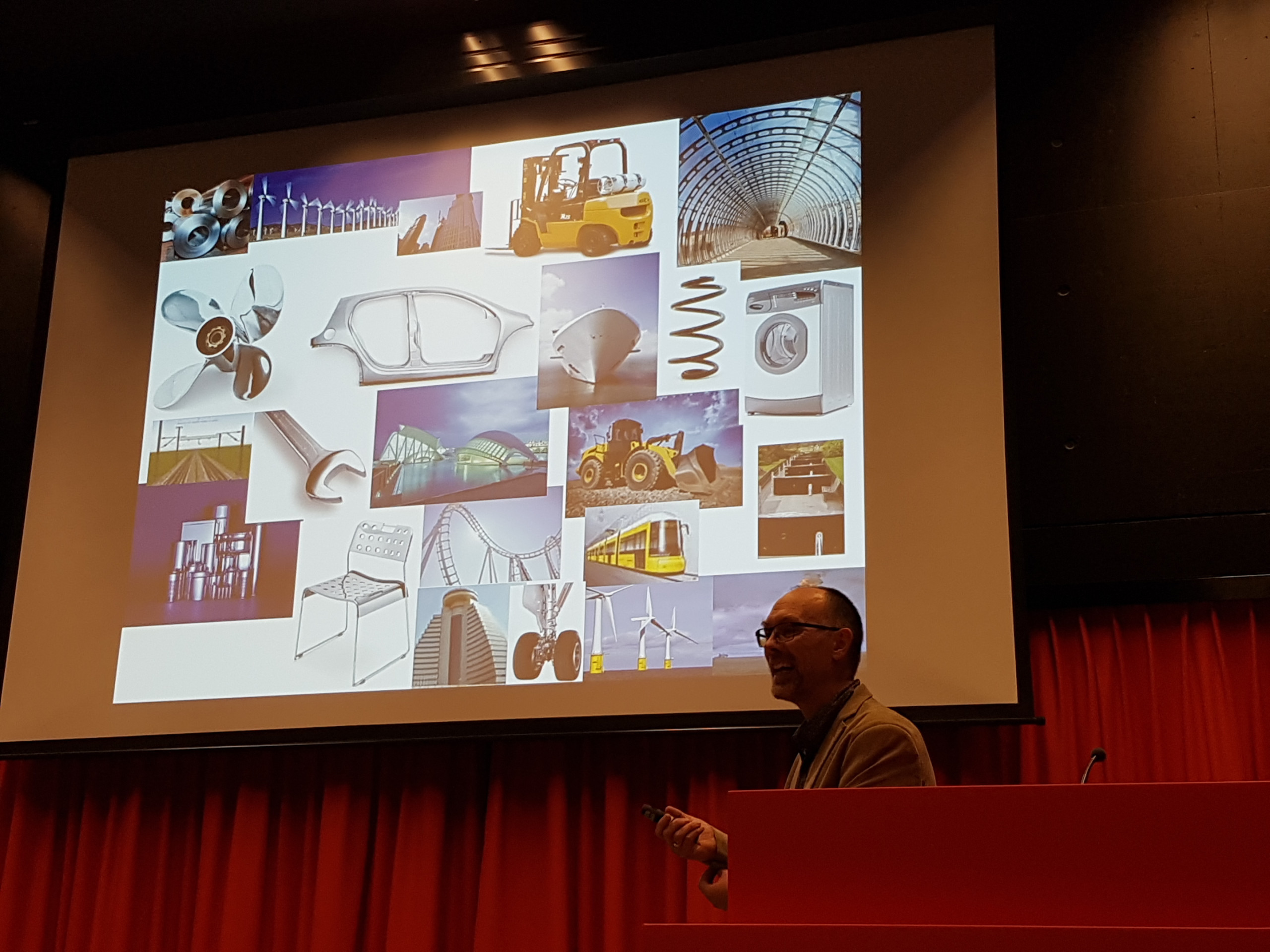
The sustainability of industry was portrayed by Ernst Worrell (Utrecht University) with telling images and statements, such as with "The Perfect Storm", showing that independent part aspects can bundle together into a mutually reinforcing whole (total scenario).
With the overviews of "Greenhouse Gas Emissions", both the global overview and that of the Netherlands were established. The result is a now excessive rise in global temperature.
Besides energy efficiency, the option to be efficient (less waste), the economical use of (self-sufficient) materials and recycling (circular economy) is necessary. New materials require a lot of energy. Also, more use will have to be made of biofuels, sustainably generated electricity and energy storage in various forms. An overview is then given of potential efficiency measures for the steel and chemical industries.
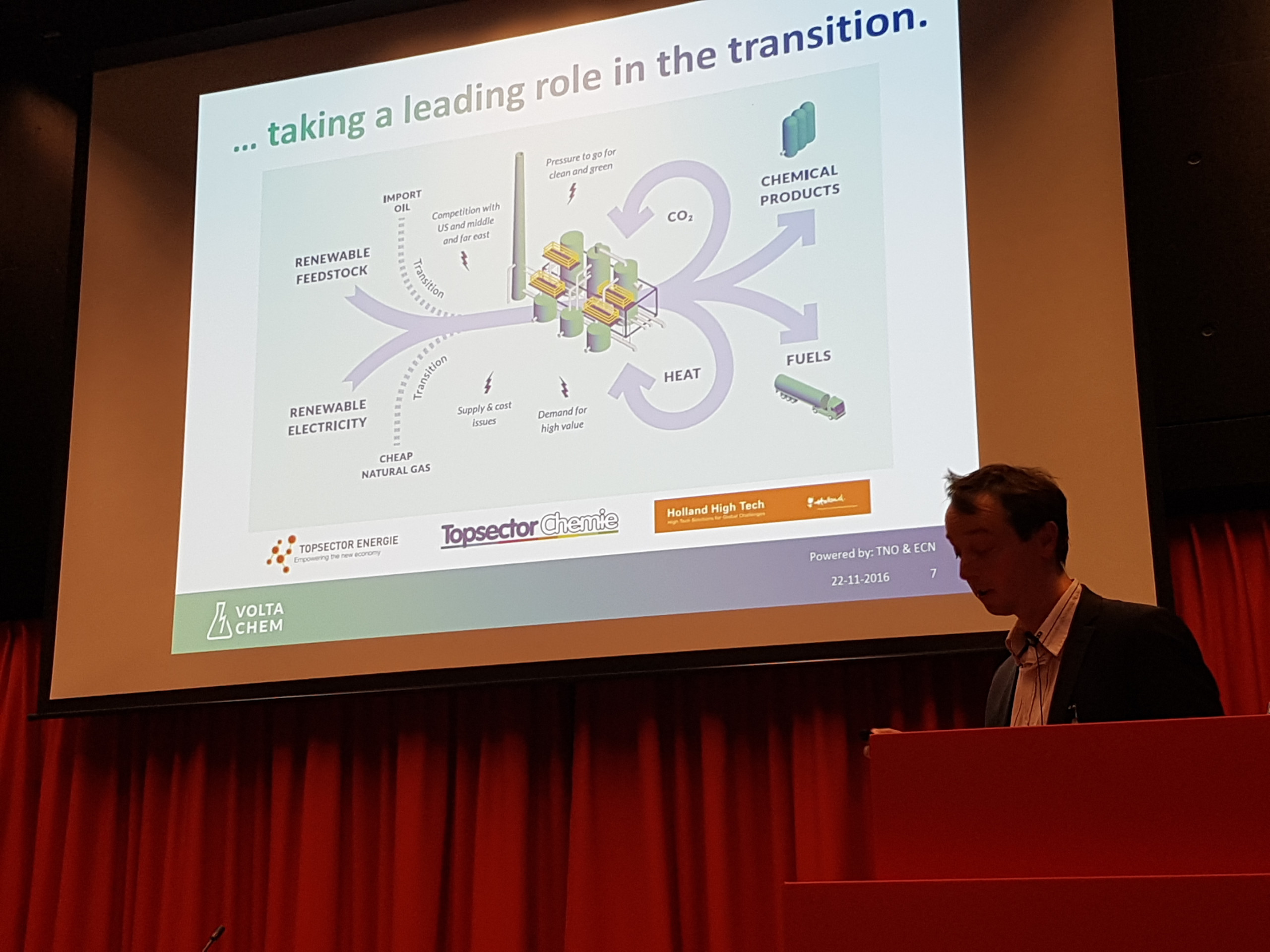
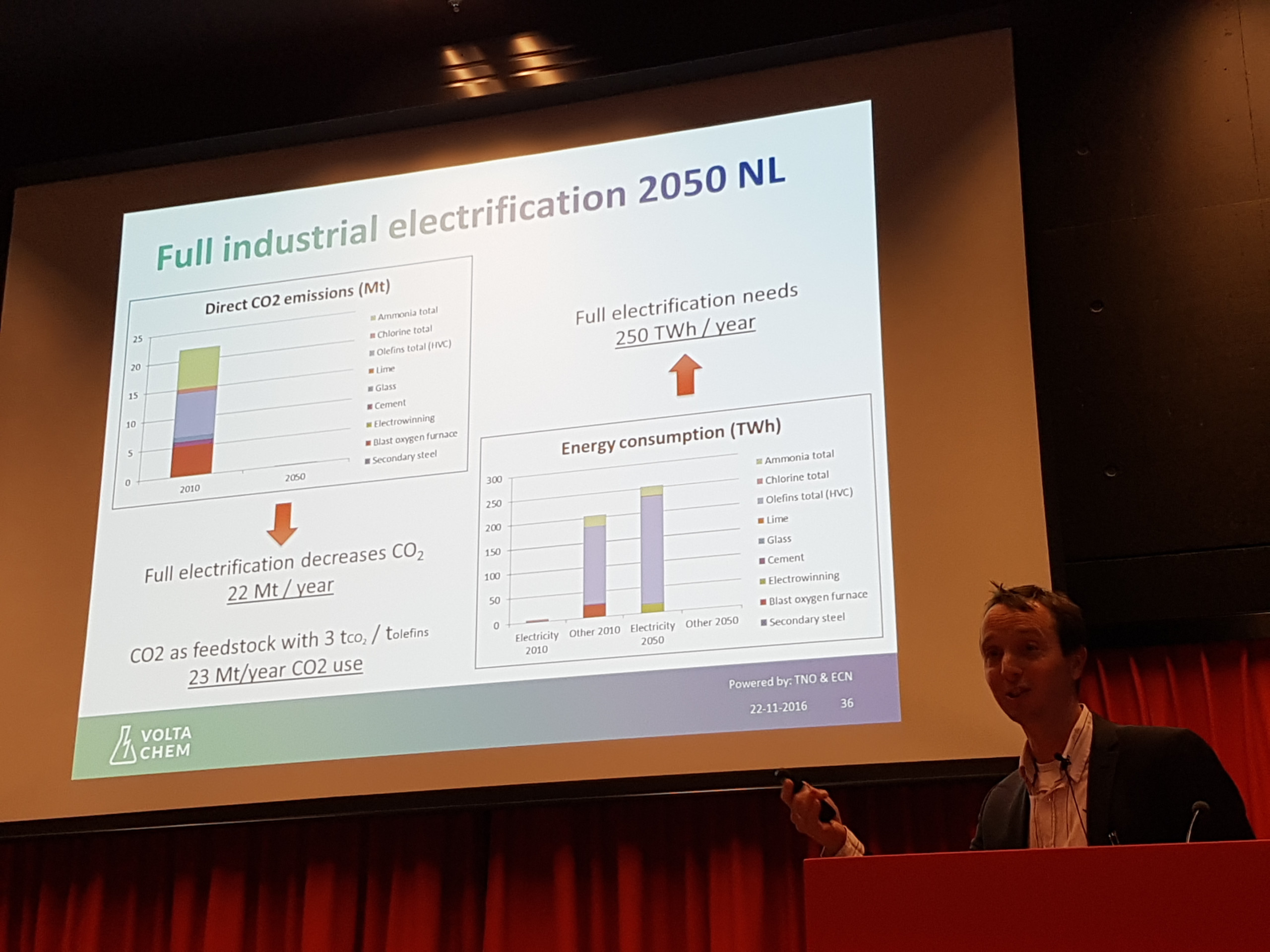
Marijn de Graaff (TNO) gave a clear presentation on the possibilities of electrification of the chemical industry and the state of play of "The VoltaCHem Road", the roadmap to obtain sustainable raw materials for chemical processes, the development of new technologies with feasibility assessment and the approach to electrify the industry in 2050, the scenario based on EU study.
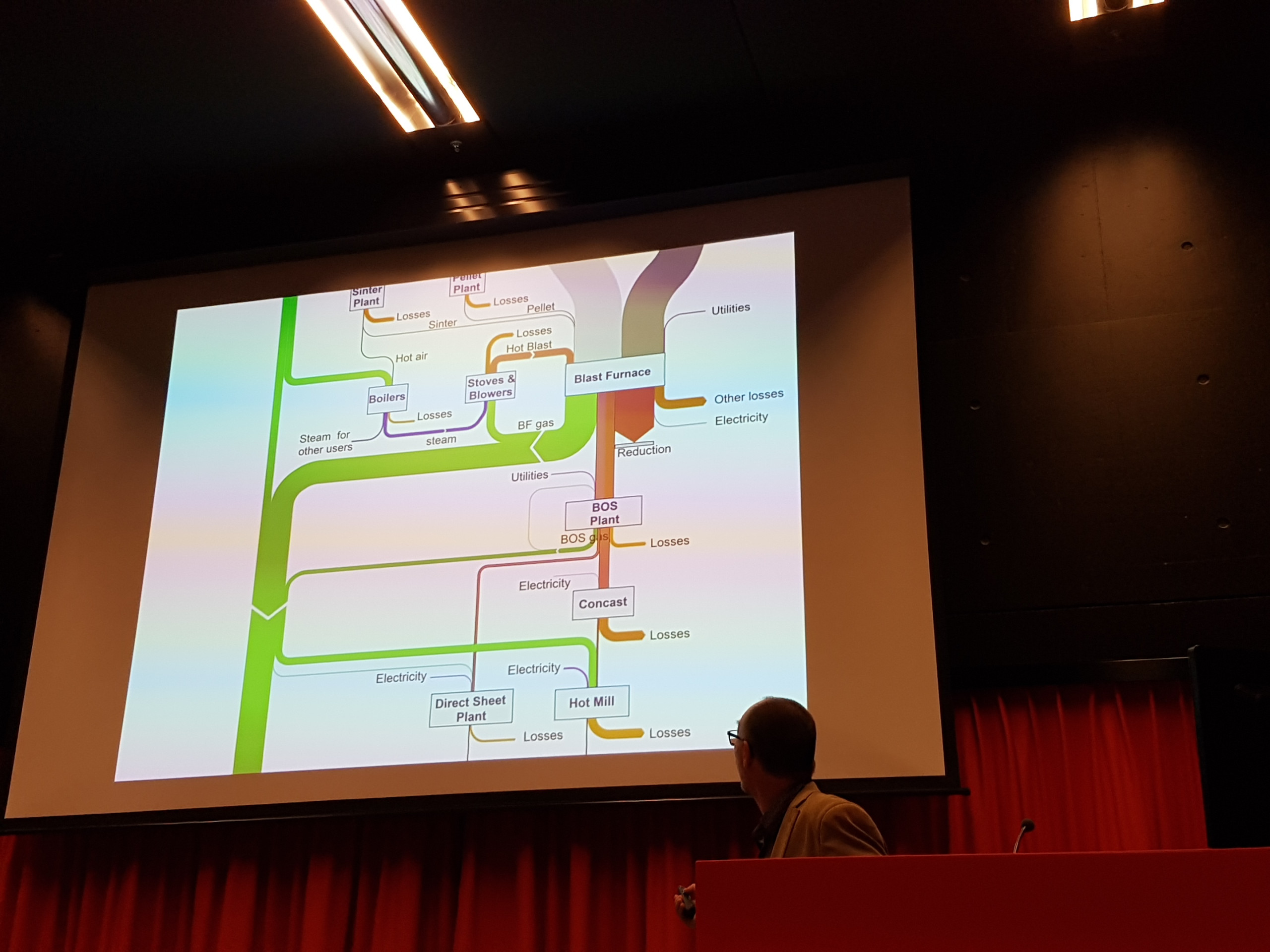
The steel sector has the highest share of energy use and CO2 emissions in the Netherlands. Energy saving and CO2 reduction in the steel industry with possibilities and impossibilities were highlighted sharply and clearly by Hans Kiesewetter (Tatasteel). It is also important to be ready in time with new proven technologies when renewing a blast furnace (once every 15 years).
These lie in applying energy efficiency measures or limiting the use of compact energy carriers (steam coal) or greatly reducing CO2 emissions.
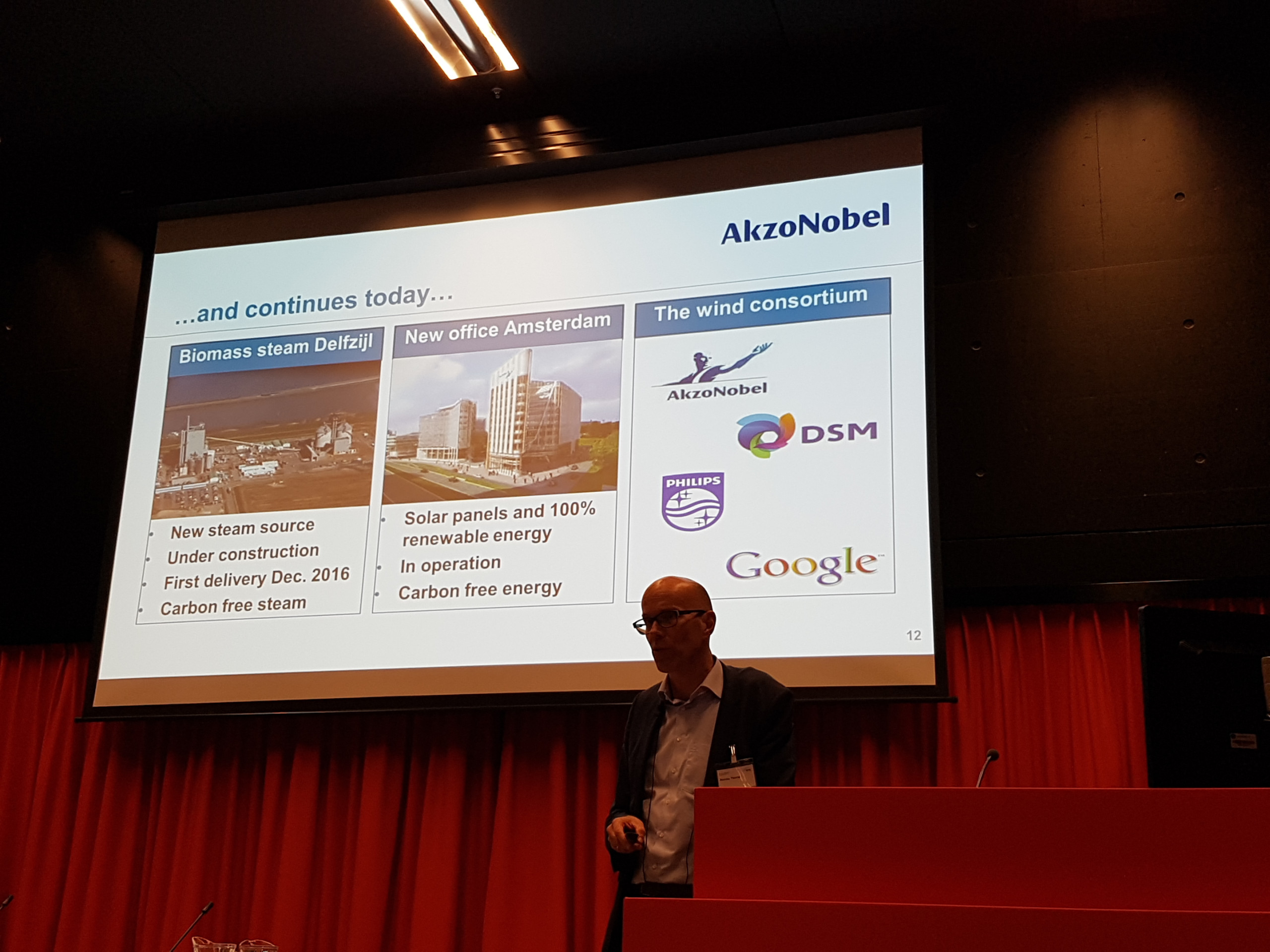
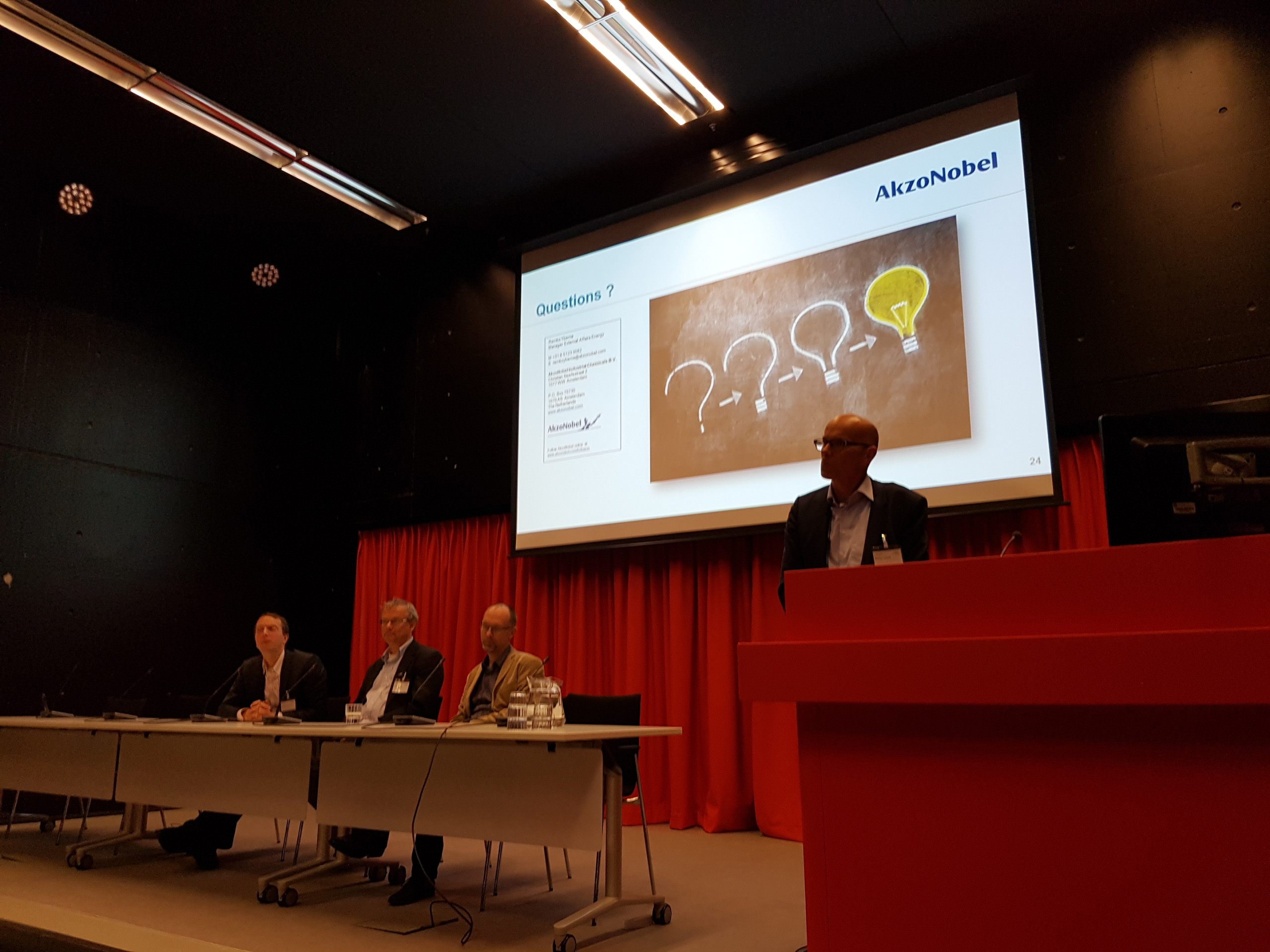
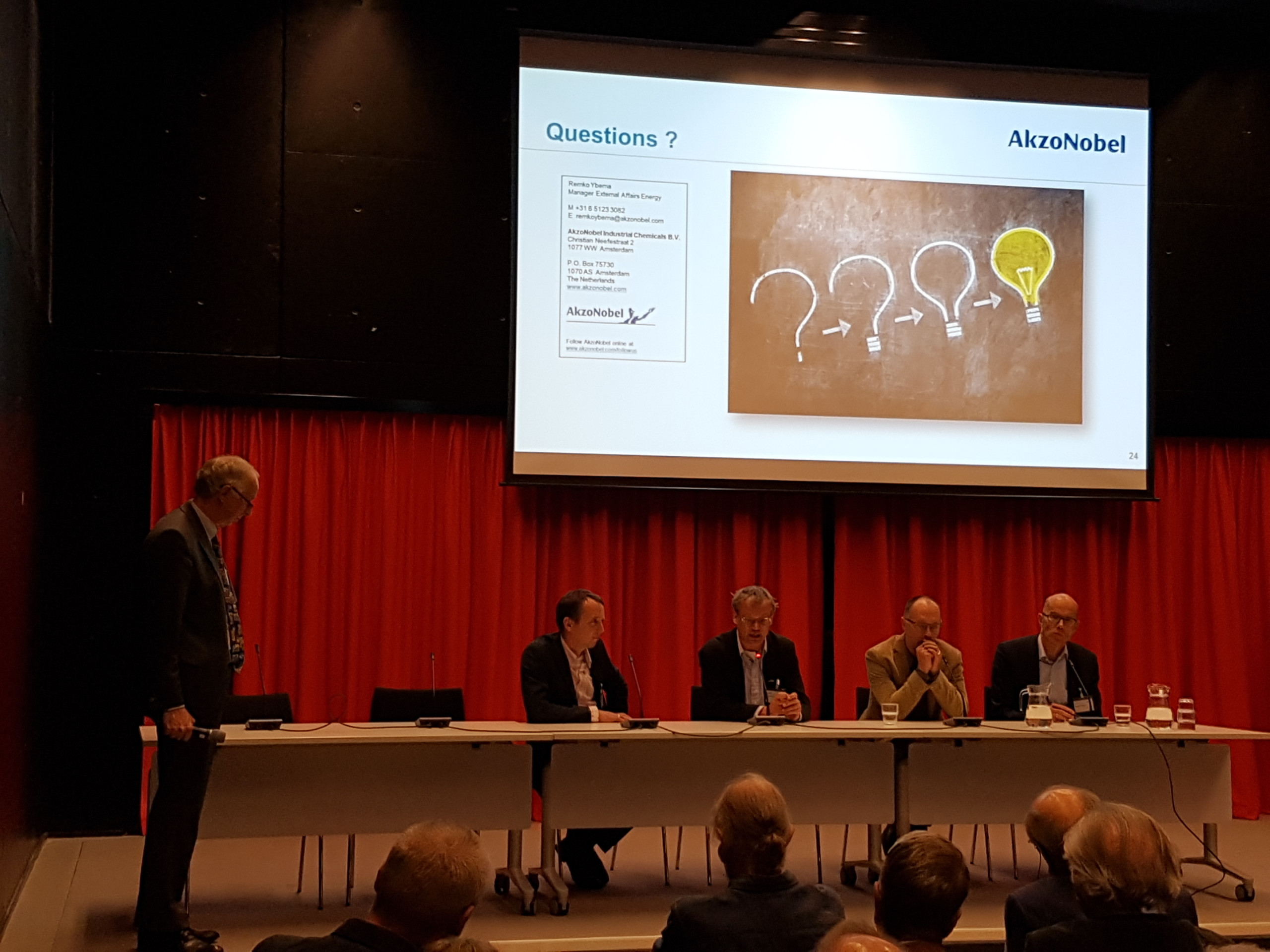
Remko Ybema (Akzo Nobel) showed with the "Sustainability approach of AkzoNobel", how this part of the chemical sector is already on its way to making the chemical processes and its own production of sustainable energy carriers highly sustainable, such as in chooor production, the hydrogen released during electrolysis of salt (NaCl) is sustainable, if it is obtained sustainably with electrical energy. The biggest cost item for AKzo Nobel appears to be energy, of which 35% is already obtained sustainably. This % will increase through, among other things, further participation in PV, wind and heat projects.
Sustainability is also embedded in the awareness process (incentives) of employees and the variable remuneration component of management.
Sustainable raw materials and semi-finished products are also widely used in the chain in the chemical sector.
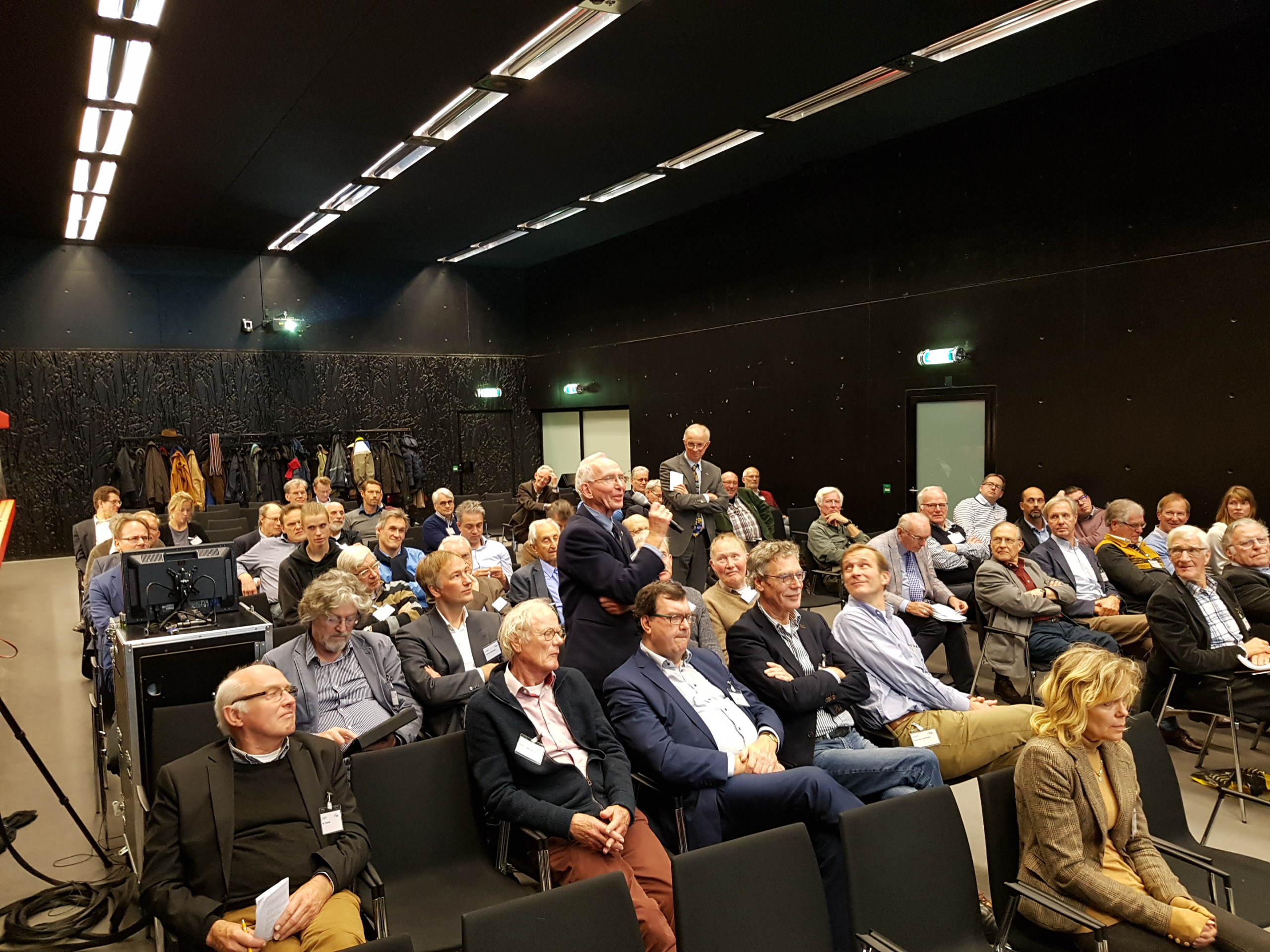
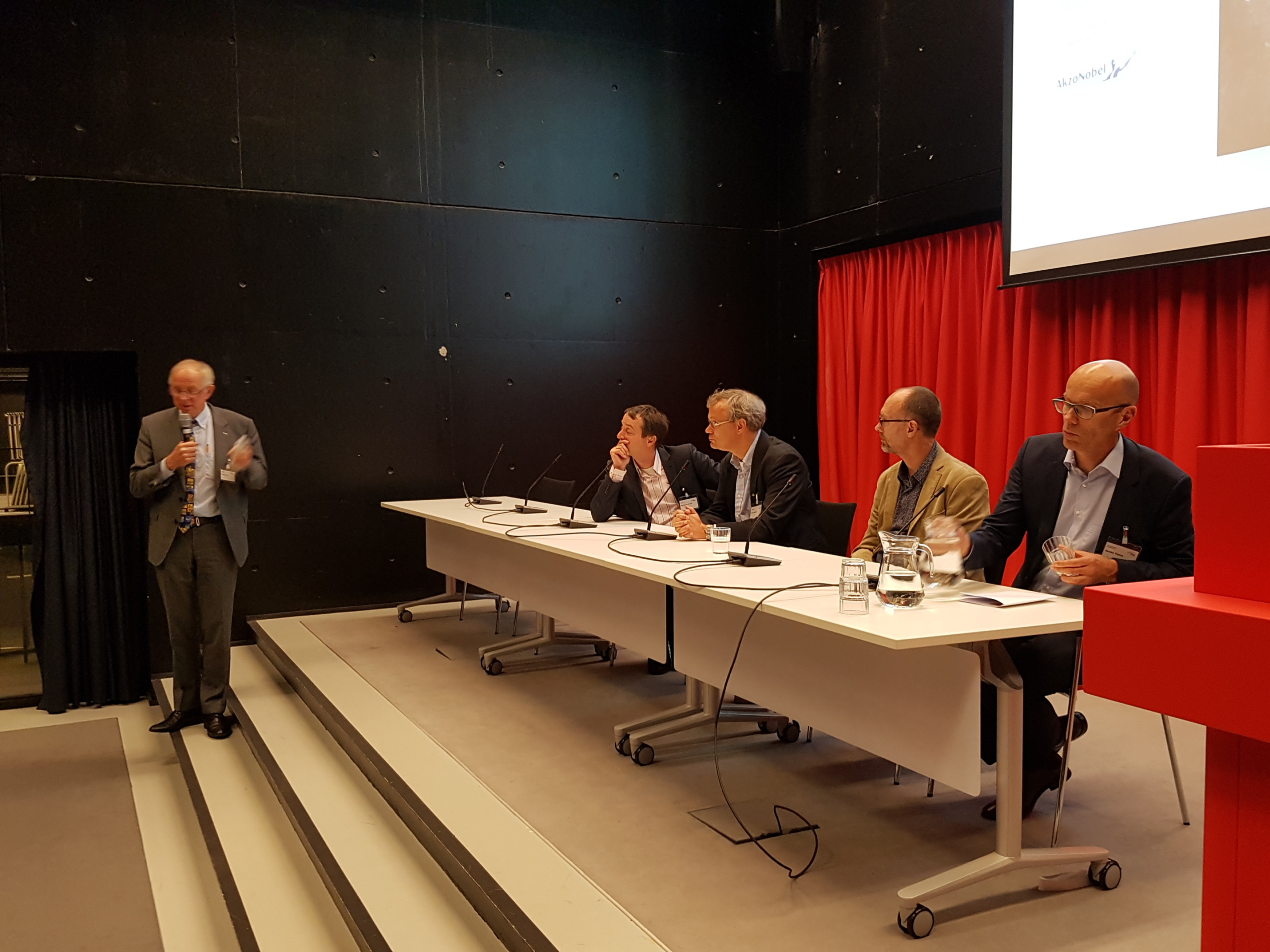
In the conclusions, the chairman of the day, Kornelis Blok, stressed that making the industry more sustainable should be given the highest priority to really get the CO2 reduction to zero. This cannot be done without the support of the government, which should create the necessary policy framework in a timely manner.
The entire meeting can be watched back on video and it can be found at
Videos Energy NL 2050 Seminars
You can read the agenda and speakers' presentations via the links below (attachments):
Description
Paris agreements:
After the agreements at the Paris climate summit, the urgency to bring global CO2 emissions to almost zero is clear.
This EnergyNL2050 meeting is the second of a series of four on the total energy demand of the Netherlands and what the energy supply could look like in 2050, which will then be (almost) CO2 free.
Transition:
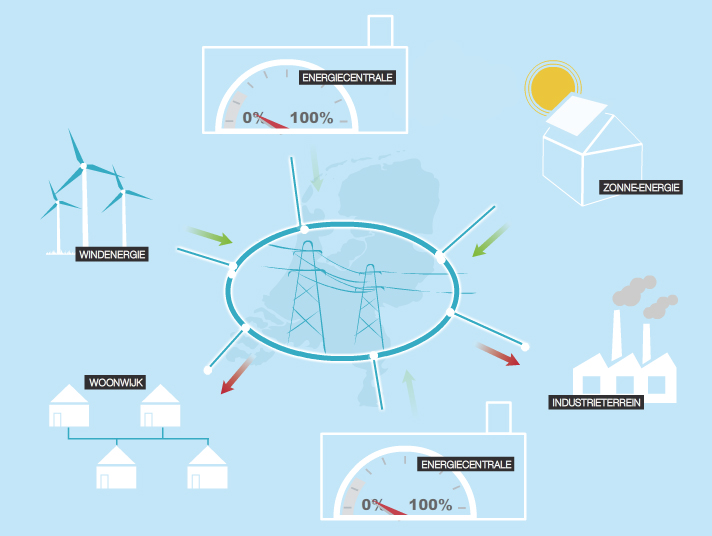
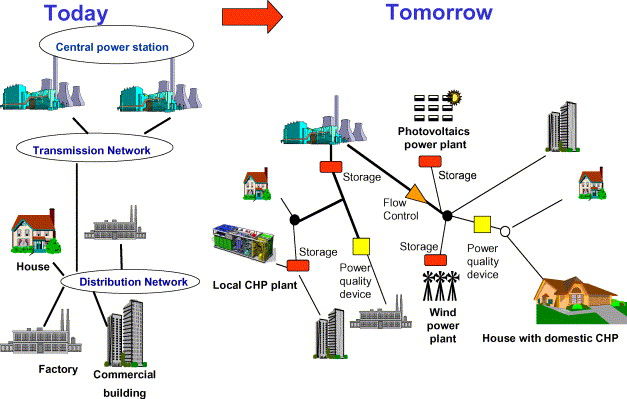
The topic is the transition of the entire Dutch energy system -electricity, heat transport- to a more sustainable scenario.
The objective is to make the energy system more sustainable and reduce CO2 emissions to well below 30 Mton. Electrification plays an important role in this and will therefore lead to a sharp increase in electricity demand, from the 120 TWh now to double or triple that amount in 2050.
Meeting EnergyNL2050:
In this second meeting, the energy demand of the industrial sector, its sustainability, will be discussed.
The industry consumes about 150 TWh of fossil fuels annually, a significant part of the total Dutch energy consumption of about 750 TWh. In addition, the chemical industry in particular uses a lot of fossil fuels (approx. 175 TWh) to produce the raw materials for the plastics industry.
Making industry sustainable is complex, in particular, because many industrial processes require high temperatures.
After the introduction on the transition to a sustainable industry sector, this meeting will focus specifically on a number of key components, which will be discussed intensively.
Starting point
Basis will be a recent report published by CE-Delft at the request of the RLI Institute entitled: "Exploration of functional energy demand and CO2 emissions up to 2050", which can be found via the link below http://www.rli.nl/publicaties/2015/advies/rijk-zonder-co2-naar-een-duurzame-energievoorziening-in-2050. This document includes reflections and scenarios from bodies and parties.
Accessible by public transport via Utrecht CS and bus line 12 (departing from platform C8 Utrecht CS, Jaarbeurs side).
By car: Parking in car park Cambridgelaan on the Uithof or better i.because of the construction of the tram line at De Uithof, the car parks at De Uithof are often full during office hours.
There is a new car park at exit 28 Utrecht-De Uithof, intersection Universiteitsweg, with sufficient parking spaces (2000 places). Cost per day maximum € 5, including public transport from the car park (a shuttle bus every 10 minutes)
http://www.slimutrechtin.nl/pagina/3/p-r-locaties/5/ten-oosten-van-de-stad-bij-de-a28-ligt-p-r-de-uithof/
Speaker(s)
Chairman of the day: Prof K. (Kornelis) Blok
Professor of Energy System Analysis Department ESS University of Technology Delft.
In 1984 one of the founders of Ecofys where he is now scientific director.
Prof Ernst Worrell, Utrecht University
Chair: Energy, materials & environment
Profile: Relationships between energy and material use and the environment, and opportunities to reduce them through efficiency improvements.
ir. Martijn de Graaff TNO
Martijn combines sound knowledge of communication and off- and online media production with project management skills. Feels at ease when the to-do list is bulging. Is a Dutchman with a beta-tic. Started his career organising major reading promotion events for young people and schools. Via science communication, he ended up in STEM. Coordinated all communications and media of the Platform Bèta Techniek, was project leader BètaMentality and head of communications of the International Mathematics Olympiad 2011.
ing. Hans Kiesewetter Group Environment Tata Steel
Remko Ybema appointed Manager External Affairs Energy AkzoNobel.
Location
Booth Room Library Utrecht University
Heidelberglaan 3 3584 CS Utrecht
Organiser
Electrical Engineering
Utecht Sustainabilty Institute
Name and contact details for information
The Team EnergyNL2050 consists of the following members of KIVI-Elektrotechniek: Dr. Ir. Steven Luitjens M 06 46 72 66 89 Ir. Loek Boonstra Ir. Eric Persoon Ing.Paul van Moerkerken M 06 11 28 72 26
Exploration of functional energy demand and CO2 emissions







Documents
- 0. intro USI-KIVI EnergyNL2050-2 Verkenning energievraag 2 22-11-2016.pdf
- Naar een duurzame industrie in een net-zero carbon world door prof. dr. Ernst Worrell, Universiteit Utrecht
- Naar een CO2-arme procesindustrie door electrificatie van de chemie door dr. Martijn de Graaff, TNO/VoltaChem
- CO2 reductie in de staalproductie door ing. Hans Kiesewetter, Group Environment Tata Steel
- Verduurzamingsaanpak bij AkzoNobel door Ir. Remko Ybema MSc, AkzoNobel
- Succesvolle energietransitie vereist dialoog Ensoc 29-04-2015
- Energy Efficiency in the Steel Industry Hans Kiesewtter Tata Steel