
Merosch's RijswijkBuiten project


The meeting on 8 March took place at the university campus in Eindhoven.
The theme: "Analysis of the self-consumption of houses with PV" was highlighted with the presentation by Maarten Staats of consultancy firm Merosch with the experience gained during the project RijswijkBuiten in Rijswijk.
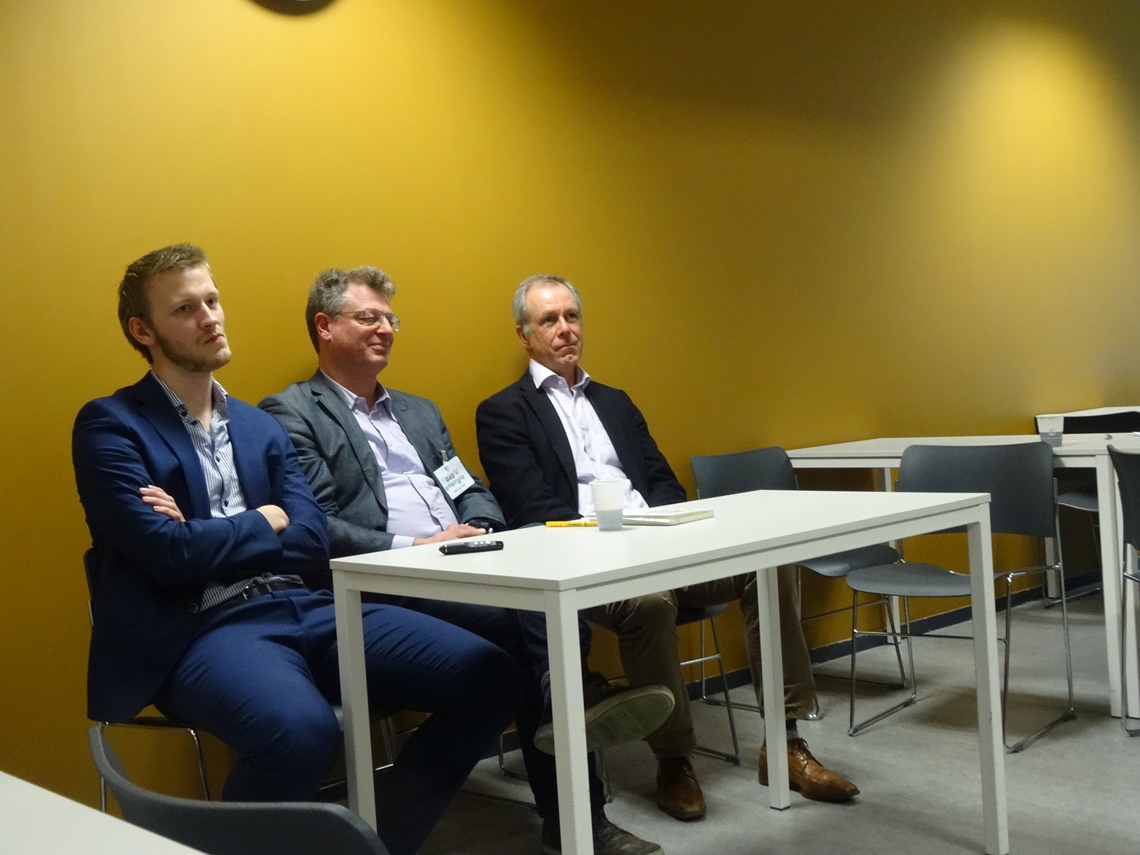
This was followed by a panel session with three "energy professionals" and a lively discussion led by Eric Persoon in consultation with the attendees.
Meroch's analysis showed that from measurements, only 20 per cent of self-generated PV power, is directly used in the home itself.
80 per cent is fed back to the grid and is taken elsewhere by other users in the grid.
In the future, this will lead to transmission of very large capacities of electrical energy, which the grid will have to be able to handle. The capacity of the power grid will have to be increased.
The speaker presented possibilities, how the 20 per cent of self-use in homes, can be increased, making the transmission of electrical energy in the grid more manageable.
He also formulated three propositions, which were used during the interactive discussion between the panel and attendees.
His propositions can be found at the end of his presentation.
The Great Sustainability Congress 2016 showed that there is still a way to go to convince the general public of the need to put money into making their homes more sustainable with the assertion:
"We can do that with regulation, but I'd rather choose seduction." He then verbally puts a line through offsetting, saying it is "expensive euros for little CO2".
Read the entire interview "Taking steps in Rijswijk" here .
Description
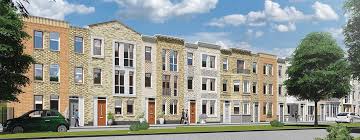
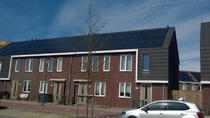
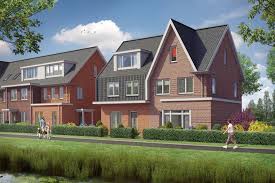
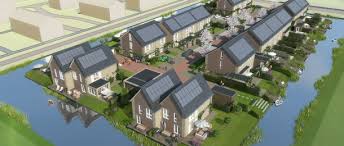
Engineering firm Merosch is pioneering ways to help realise energy-neutral homes. The RijswijkBuiten project was started several years ago. Here, hundreds of energy-neutral homes have currently been built, including a number of zero-in-the-meter homes.
Since delivery, continuous measurements have been taken of the functioning of the components of the homes so that a good insight can be gained into their performance. These measurements are also used to remotely monitor the operation of all components. This allows checking whether the houses meet the issued energy performance and enables quick rectification of problems.
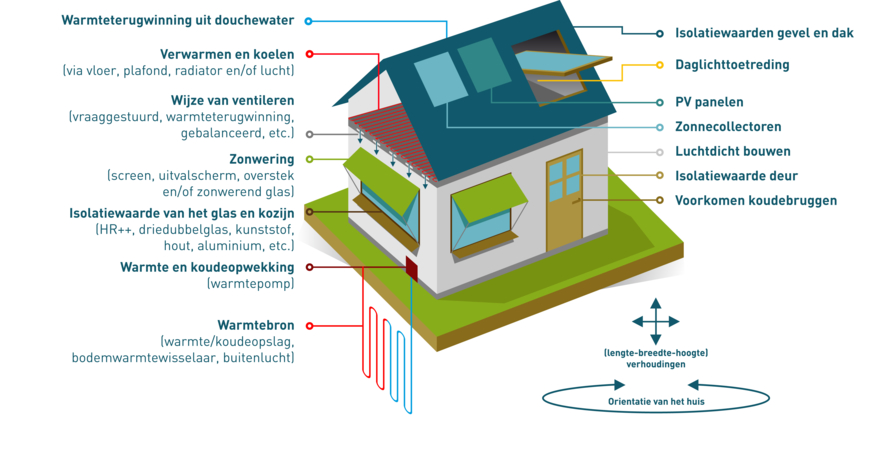
In this meeting, the overall project will be presented and the layout of the houses as well as the measurement results.
In the process, it was revealed that less than a quarter of the electricity produced is used immediately by the house. The rest is supplied directly back to the grid. Under the net-metering scheme, this does not matter, what is delivered back to the electricity grid may later be taken from the grid again free of charge. But Minister Kamp has already indicated that this scheme will be scrapped in 2020. Then there will suddenly be an incentive to use more of the generated electricity directly yourself and supply less to the grid.
Maarten Staats, advisor at Merosch, has carried out several studies into the possibilities of using more self-generated electricity directly in households. Examples include demand-side management and battery storage. These have included the measurement results from RijswijkBuiten.
In this meeting, Staats will discuss the technical and financial feasibility of various possibilities to use more self-generated electricity. This will be followed by a discussion on self-use, the balancing scheme and optimisation of energy use in households
Speaker(s)
M.R.(Maarten) Staats MSc
Advisor Merosch
Ir. Eric Persoon day chairman
KIVI-Elektrotechniek
Location
Building MetaForum (building no. 5) Campus TU Eindhoven
De Zaale, Het Veken, 5612 AZ Eindhoven
Organiser
Electrical Engineering
Name and contact details for information
Eric Persoon