Paul van Vlissingen & son, 19th-century entrepreneurs in steam
Prior to the lecture on 25 February, KIVI Section for the History of Engineering invites you to the annual general section meeting. Start at 10:00 am in the Science Centre lecture hall. You can find the annotated agenda under 'Documents'. If you would like to attend this meeting please email the secretary at gdt@kivi.nl.
The Boards of the Histechnica Association and of the KIVI SectionHistoryof Engineering are pleased to invite you to attend a lecture to be delivered by Dr J.P. Sigmond entitled:
"Paul van Vlissingen & son, 19th-century entrepreneurs in steam"
on Saturday 25 February 2023 at the Science Centre
Programme
10.30:00 Walk-in with coffee and tea
11:00 Welcome and introduction
11.05:00 Lecture by Mr Peter Sigmond
11:50 Pause
12:15 Continuation of lecture and closing discussion
12:45 pm End of the meeting
Please register to attend this lecture:
- KIVI members should register via the KIVI website
- Members of Histechnica should register through the secretary: hotzeboonstra@gmail.com
- Interested parties who are not members can also register via the above ways. Please note that there will then be a cost of €5.00.
The lecture will be broadcast live; you should also register for this through the above channels. There is no charge for this.
You can participate online via this link: https://youtube.com/live/f6ilcUHSk88?feature=share
Summary of the lecture
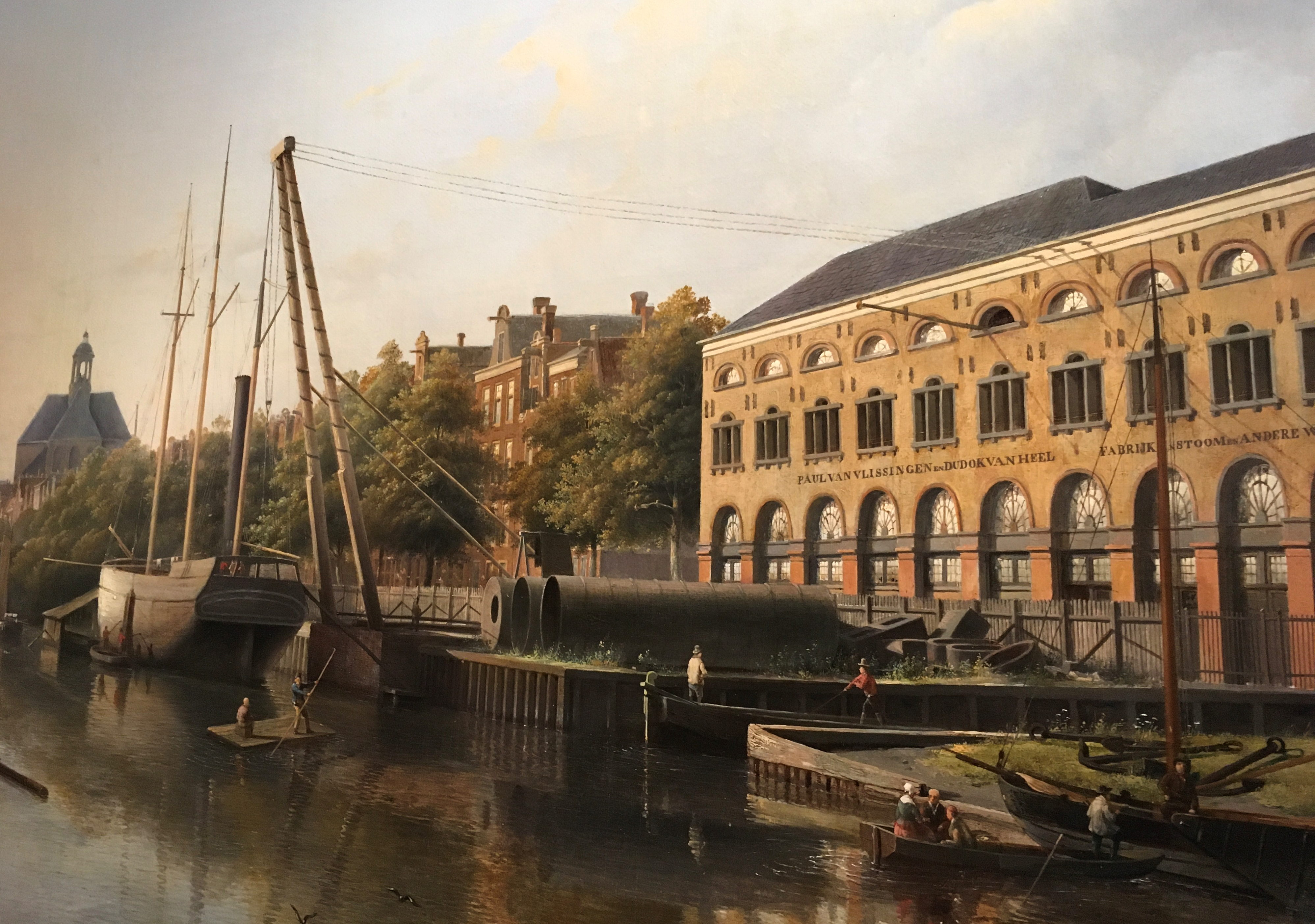
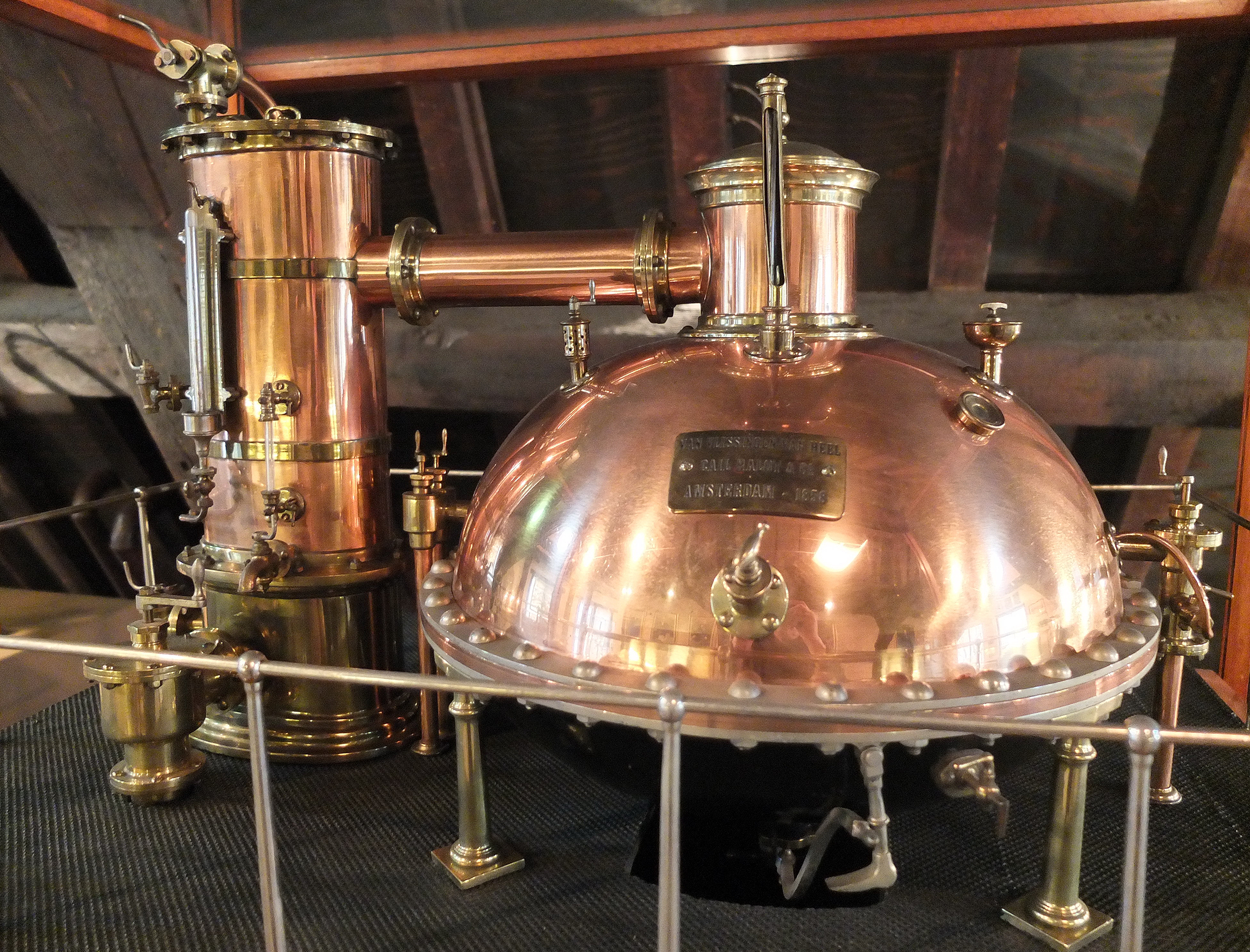
At a time when companies are still family businesses, travel by boat in a barge under sail and factory work is still just manual work, Paul van Vlissingen (1797-1876) starts out as an entrepreneur. He is a pioneer of steam power. With his Amsterdamsche Stoomboot Maatschappij, he was the first to open an overseas shipping line: Amsterdam-Hamburg. With Abraham Dudok van Heel, he starts the Kon Fabriek voor Stoom- en andere Werktuigen Paul van Vlissingen & Dudok van Heel, the forerunner of the later Werkspoor. They build the first steam locomotives, and iron screw steamships, as well as steam engines for the sugar industry in Surinam and West Brabant. Son Paul Cornelis (1829-1906) expanded the company further, undertaking spectacular works such as the construction of the largest dry dock in Asia and the railway bridge over the Hollandsch Diep at Moerdijk. In 1870, the company goes bankrupt, Paul C. emigrates to North America, returns to the Netherlands and, until his death, is supervisor at the later Frans Hals museum in Haarlem.
It is the story of entrepreneurs, start-ups in steam, in a society still unfamiliar with the products they make, and technical skills lacking among workmen and banks for financing.
Information about the speaker
Dr J.P. (Peter) Sigmond (Wageningen 1948) studied patriotic and general history in Leiden, where he obtained his doctorate in 1989 with the thesis The development of seaports in the Netherlands 1500-1800. He was publisher at Fibula-Van Dishoeck, director of the National Archive School and director of the Army Museum in Delft, before becoming head of the Dutch History Department in 1995 and director of Collections at the Rijksmuseum in Amsterdam in 2000 (until 2008).
He was the first extraordinary professor because of the KOG in Dutch cultural history at the University of Amsterdam. He is currently a member of the editorial board of the new digital Maritime History of the Netherlands and editorial board member of the publication Scheepshistorie.
He has published many books and articles in the fields of archivistics, museology and Dutch history, especially maritime and overseas history.
Upcoming activities
- Saturday 25 March 2023 at 11:00 lecture by Dr C.J. van Dullemen: "The life and works of Prof Richard Schoemaker"
- Saturday 22 April 2023 at 11:00 a.m. lecture by Dr H. Heijmans: "Adriën Huët and the Water Locomotive"
- Saturday 27 May 2023 at 11:00 a.m. lecture by ir G van Ditshuijzen: "History of our scale and its calculations"
- Saturday 24 June 2023 at 11:00 a.m. lecture by Prof J.F. Abbink: "Radar and Electronic Warfare in World War 2"
- 16 and 17 May study tour Ghent and Brussels
On the occasion of the 175th anniversary of KIVI, the History of Technology department has published a book focusing on the three founders of KIVI in the times in which they lived. The book will be available free of charge during the lecture for members of Histechnica and for members of the KIVI Department of History of Technology.