

EnergyNL2050-4 EN Energy system in 2050
The turnout of interested parties for the fourth symposium EnergyNL2050 theme "Dutch Energy System in 2050" was large at with 88 registrations, 2/3 of which were non KIVI members.
After the welcome, the chairman of the day Marcel Weeda (ECN) started with "What have we heard (so far)" a summary of the themes, areas of interest and outcomes from the previously held symposia on respectively:
13-10-2016 EnergyNL2050-1: Energy Demand Mobility and Transport
22-11-2016 EnergyNL2050-2: Energy Demand Industry
09-02-2017 EnergyNL2050-3 Renewable energy and now today?
20-04-2017 EnergyNL2050-4: Energy system in 2050
Jos Sijm (ECN) then gave us a look through to possible and feasible scenarios for the energy system in the Netherlands in 2050.
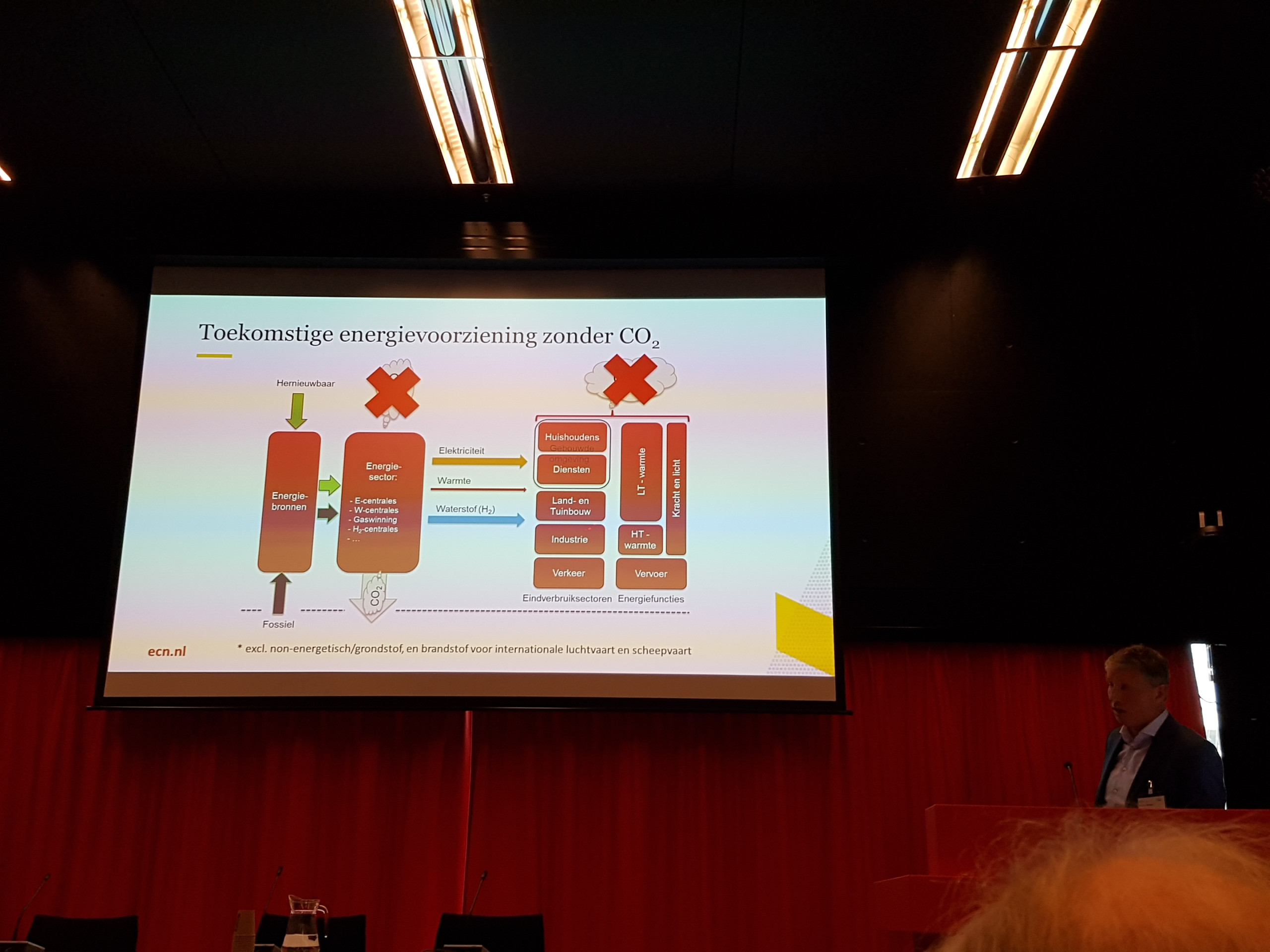
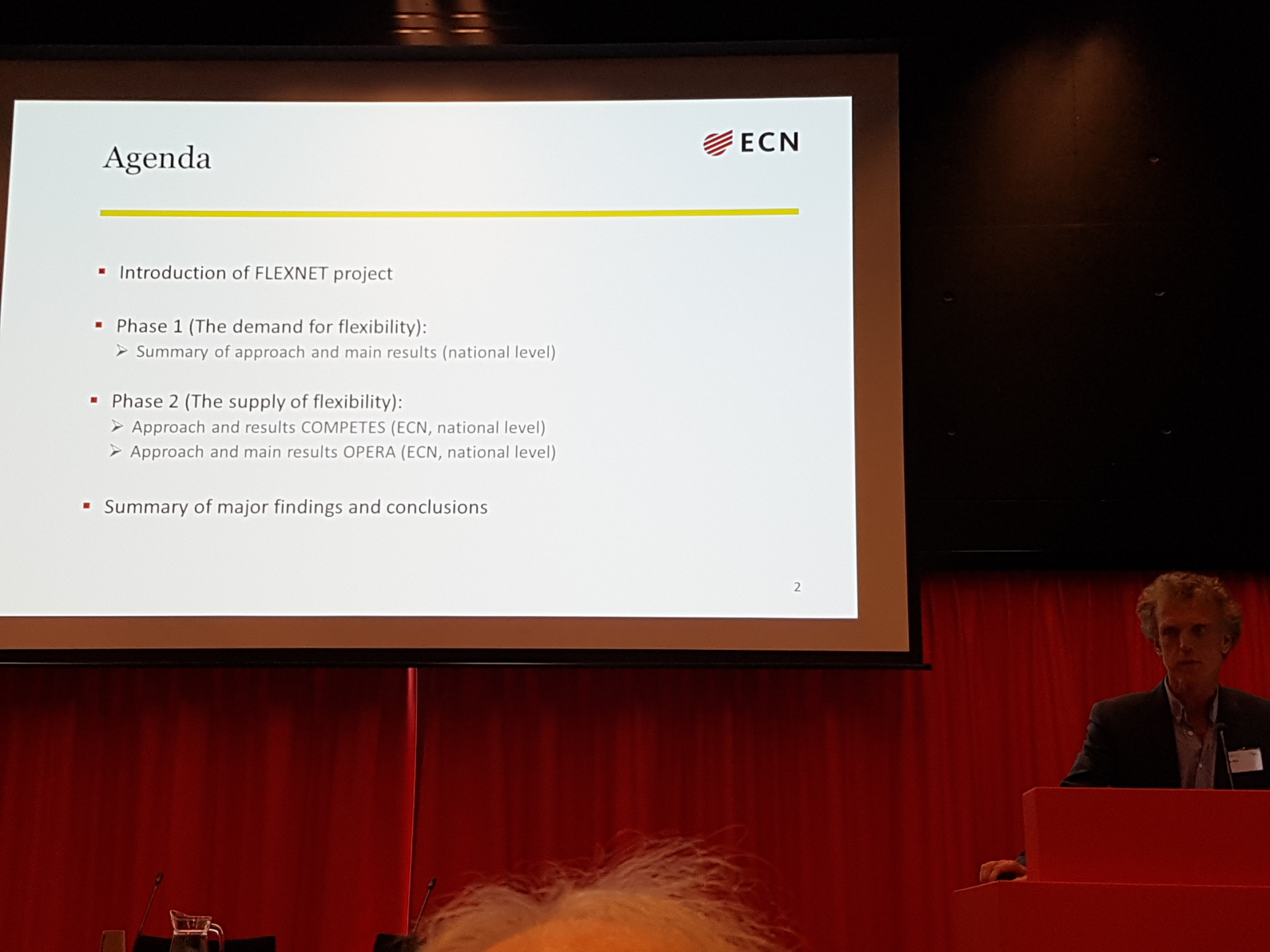
This was based on his study "Flexnet", a study with a clear description of 3 possible scenarios for 2050, describing the approach and results of research into a CO2-free energy supply in 2050 with implications for the electricity system in the Netherlands .
This research was conducted in order to give direction to the policy to be deployed for realisation of the energy transition in the Netherlands. On 9 November 2017, ECN published the research reports entitled: Six times more demand for flexibility in 20150: role for storage smaller than thought. The reports of each phase and the summary of the "Flexnet" study can be downloaded separately.
After considering the implications of these 3 most likely, feasible scenarios, Joris Knigge from Top Sector Energy gave us an insight into the aspects in the path towards the "Energy transition towards 2050".
The Top Sector Energy indicates, that this requires further system integration, to pave the way to an effective realisation of the energy transition.
It appears that the key to initiating and succeeding in the energy transition process lies mainly at the regional level.
To introduce the discussion session, the additional panellists were given the opportunity to give their 10-minute views on a far-reaching sustainable scenario for the energy system in 2050 and CO2 reduction, as well as the road towards it.
Mr Robert de Kler of VoltaChem showed that the chemical industry has already come a long way in researching the electrification of processes in the chemical industry.
In oral explanation, Mr Gijs Zeestraten gave a brilliant account of the policy approach seen from the government and the development of the policy framework for the contours of an efficient and economically sound process for energy transition.
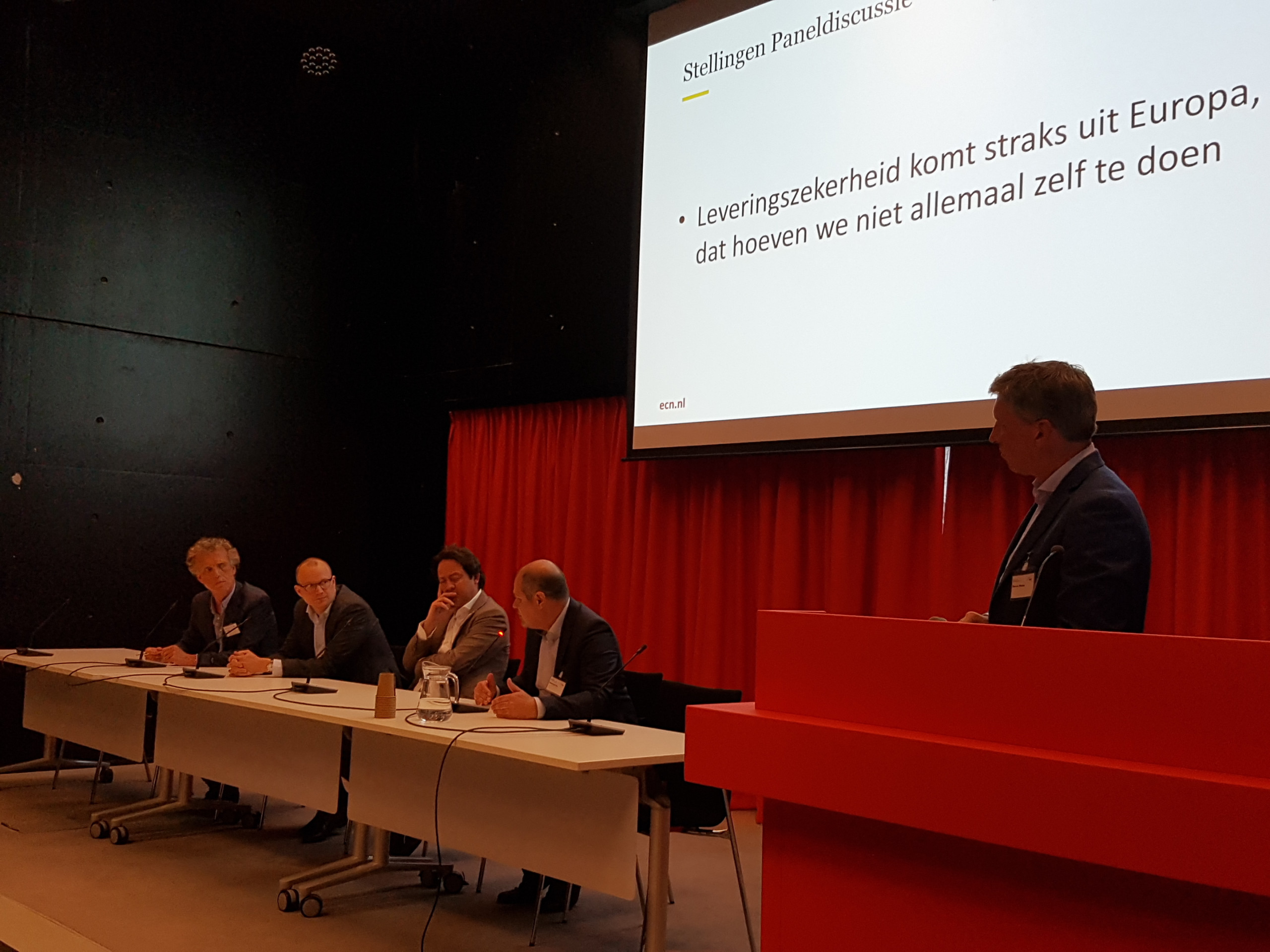
Chairman Marcel Weeda then presented various propositions to the panel and the attendees. The discussion was animated with some excellent questions from the audience.
The audience was still divided about achieving "2050", but there was a slight majority who could still see it happening, despite the huge task.
The submitted questions were professionally highlighted by the panel and were discussed with the audience in a lively and sometimes robust discussion.
The concluding question on the climate law dovetailed nicely with the last question, bringing it to a "natural" conclusion. The discussion continued even after the formal conclusion.
Through a detailed description of a solar and wind-based scenario in the FLEXNET project, the top energy sector's vision of system integration, we came to an interesting panel discussion on technical and policy elements in our carbon-free energy future.
Apparently, the past 4 EnergyNl2050 symposia have provided enough good building blocks to paint a picture of the possibilities. The task now is for all of us to realise them.
You can see the entire proceedings on the video.
As Team EnergyNL2050, we are grateful for the fact that the Utrecht Sustainability Institute has given us, as KIVI Elektrotechniek Section, the opportunity to use the Booth Room in the library of Utrecht University, as well as the audiovisual facilities of the lecture theatre.
You can download the presentations via the links below.
Description
Paris Agreements
Following the agreements at the Paris climate summit, the urgency to bring global CO2 emissions to near zero is clear. This session of EnergyNL2050 is the fourth of a series of four on the total energy needs of the Netherlands and what the energy supply could look like in 2050 that is (almost) CO2 free.
Transition
The topic is the transition of the total Dutch energy system -electricity, heat transport- to a highly sustainable scenario.
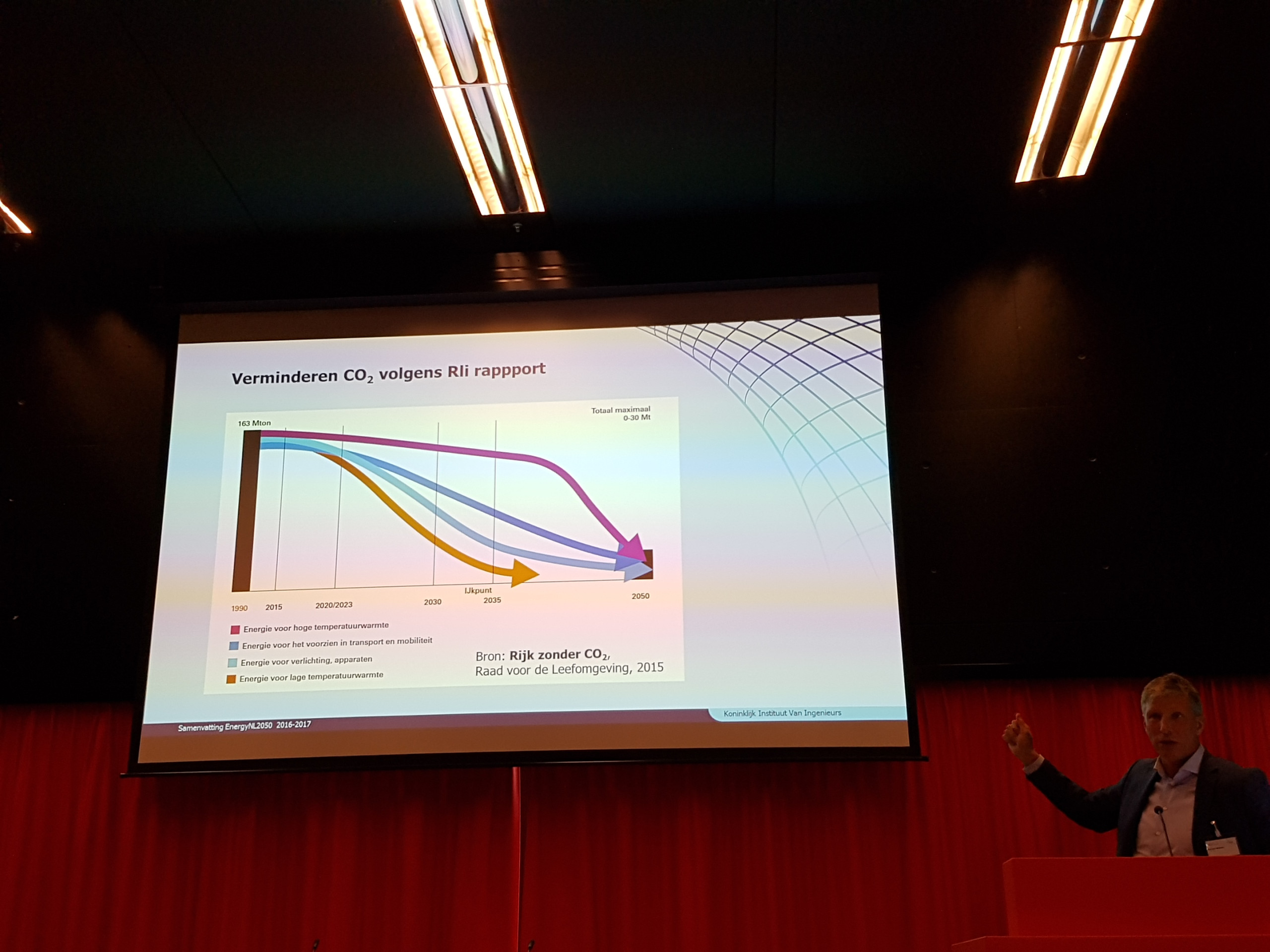
The objective of making the energy system more sustainable is to reduce CO2 emissions to well below 20 Mton. Electrification plays an important role here and will therefore lead to a sharp increase in electricity demand, from the 120 TWh now to double or triple that in 2050.
Meeting
In the previous meetings, we analysed energy demand and sources of energy. In this fourth meeting, we will start from that and summarise the results to arrive at a scenario for the energy situation in 2050.
We have found ECN willing to give their vision on the (im)possibilities based on their experience in analysing energy scenarios and also to outline a CO2 neutral energy system for the Netherlands in 2050.
Clearly, such a transition is complex and many economic, social and societal factors are relevant.
Therefore, attention will be paid to the question of how such a transition will work and where we stand.
Starting point
Basis will be a recent report published by CE-Delft at the request of the RLI institute entitled : "Exploration functional energy demand and CO2 emissions to 2050", which can be found via the link http://www.rli.nl/publicaties/2015/advies/rijk-zonder-co2-naar-een-duurzame-energievoorziening-in-2050.
A panel discussion of experts and participants will conclude the series of symposia.
The series of symposia can be seen on video and this can be found via the link below: Symposia EnergyNL2050 Presentations and videos
Speaker(s)
- Day chairman Dr Marcel Weeda (ECN) Senior researcher Hydrogen transition & Infrastructure with the summary: "What have we heard?"
- Jos Sijm MsC (ECN): A CO2-poor scenario for the Dutch energy supply in 2050.
- ir Joris Knigge (Topsector Energie): Scenarios O.K. How to move forward
Panelists are speakers with
Ir. Martijn de Graaff (TNO)
Ir. Gijs Zeestraten (Min-EZ)
Location
Boothzaal Library Utrecht University
Heidelberglaan 3 3584 CS Utrecht, Utrecht
Organiser
Electrical Engineering
Utrecht Sustainability Institute UU
Name and contact details for information
The Team EnergyNL2050 consists of the following members of the KIVI Department of Electrical Engineering: Dr Ir Steven Luitjens M 06 46 72 66 89 Ir Loek Boonstra Ir Eric Persoon Ing.Paul van Moerkerken M 06 11 28 72 26
Video recordings of meetings EnergyNL2050



Documents
- Intro & samenvatting Programma EnergyNL2050 - t/m 3 door Marcel Weeda ECN Vz.
- FLEXNET Aanpak en Resultaten: Een CO2-vrije energievoorziening in 2050: implicaties voor het NL elektriciteitssysteem door Jos Sijm ECN
- Systeem Integratie voor de Energie transitie door Joris Knigge Topsector Energy NL
- VoltaChem Electricication of the Chemical Industry by Robert de Kler Voltachem
- Stellingen Paneldiscussie op Symposium EnergyNL2050 dd. 20-04-2017
- Nieuwsbrief 4.1 KIVI EnergyNL2050 met NL Energiesysteem in 2050.
- 2017-11-09 ECN: Demand and supply of flexibility in the power system of the Netherlands, 2015 - 2050 Summary report of the FLEXNET project